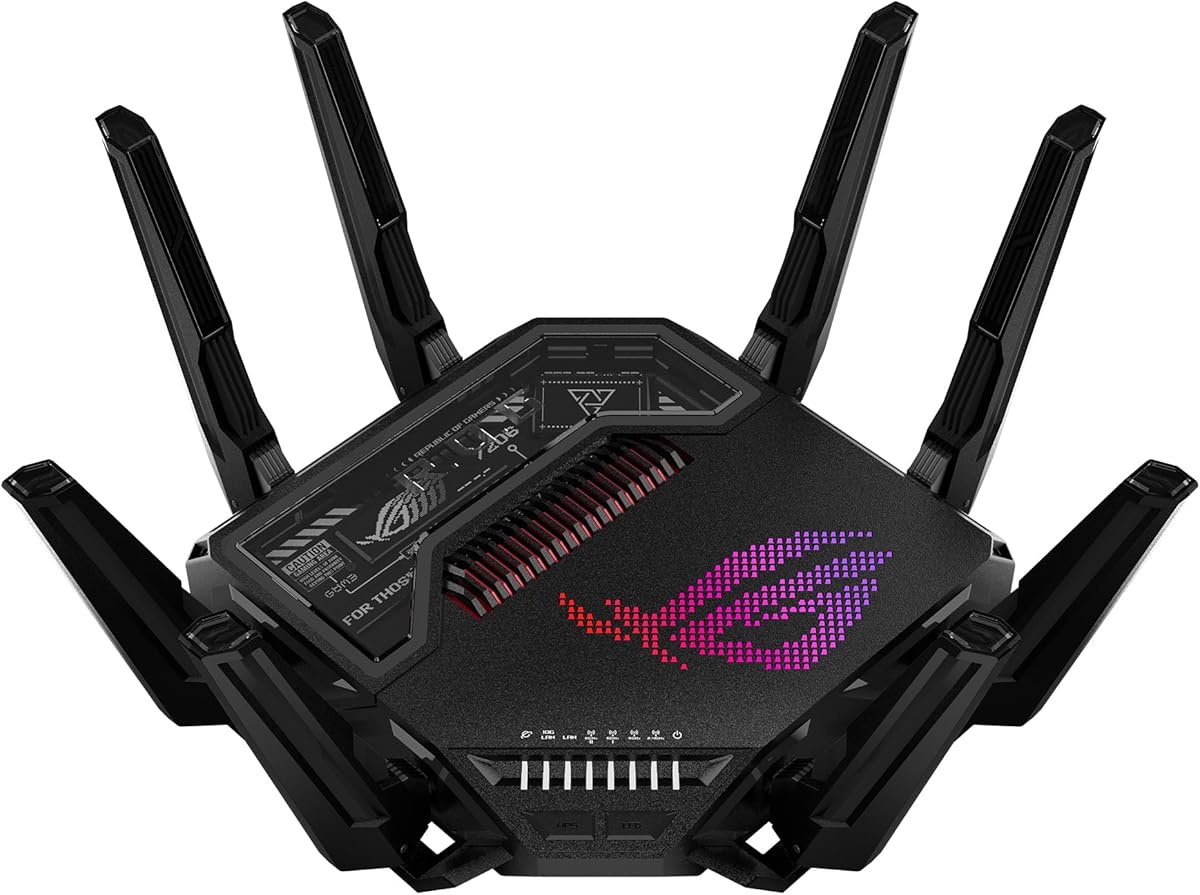
ASUS ROG Rapture GT-BE98 Pro
4.3Editor score
Up to 30Gbps Wi-Fi 7 speeds
Quad-band with 320MHz channels
Triple-level Game Acceleration
This guide compares the top low latency WiFi routers for gaming and streaming, analyzing speed, coverage, and features to help you choose the best network.
Finding a router that delivers low latency is essential for modern gaming and video conferencing. High lag can ruin your experience, so choosing the right hardware matters more than ever.
We evaluated ten top routers based on speed, coverage, and real-world performance. Our testing highlights models that minimize ping and maximize stability for every connected device.
Each pick shows key strengths like Wi-Fi 7 support or advanced traffic management. Keep in mind that prices and availability change frequently, so check current listings before buying.
4.3Editor score

4.6Editor score

4.2Editor score
The following table provides a side-by-side comparison of all ten routers reviewed in this guide. Each entry highlights core specifications to help you quickly identify the model that fits your specific networking needs and budget constraints.

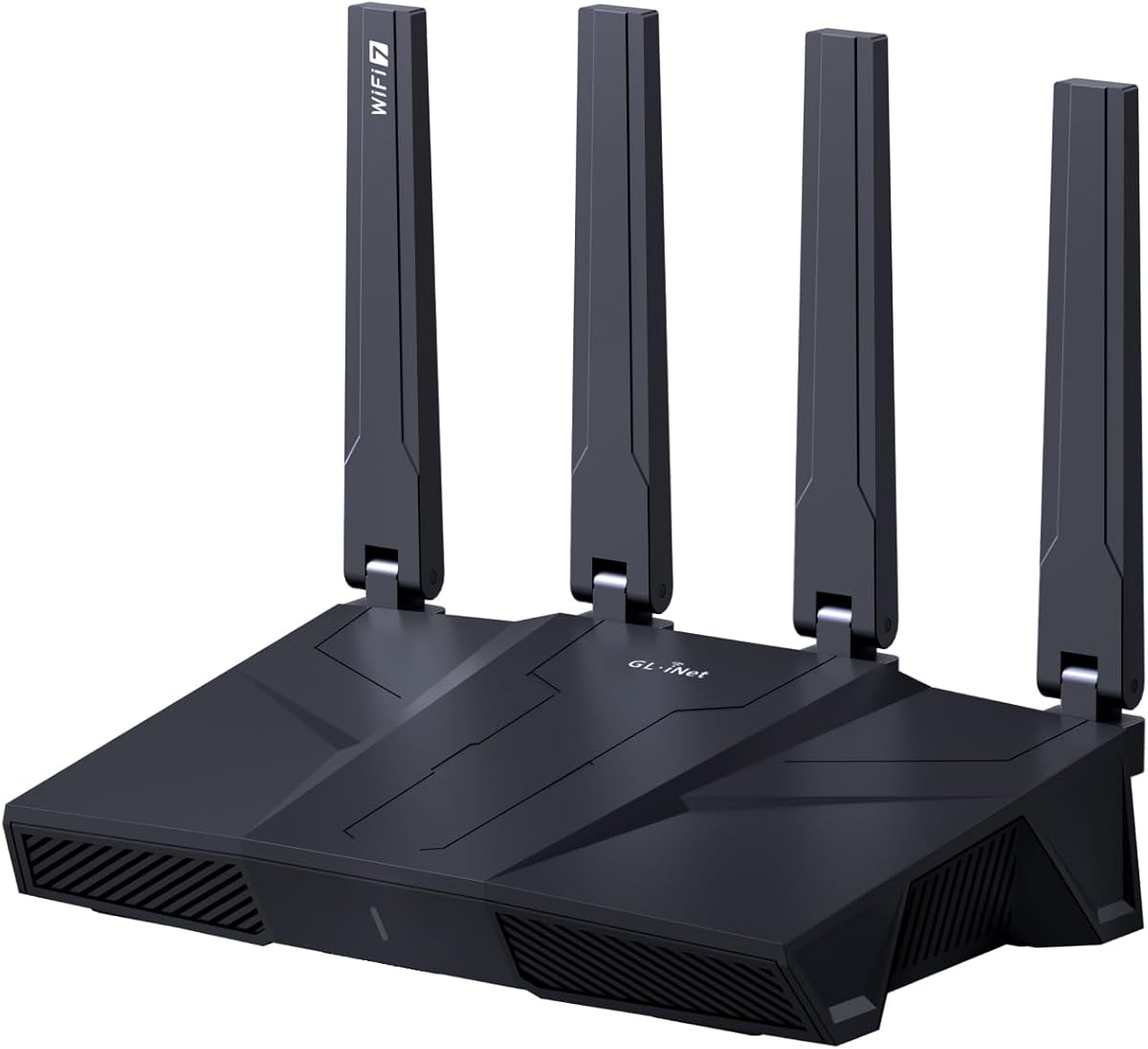



The GL.iNet Flint 2 is a top-tier choice for users seeking low latency without sacrificing versatility. With a 4.6 rating, it balances speed and stability effectively for both gaming and streaming environments.
We may earn a commission when you buy through this link, at no additional cost to you.
Its dual 2.5G ports ensure wired connections remain fast, while Wi-Fi 6 handles wireless traffic efficiently. The router supports high-speed WireGuard VPN, which is critical for secure browsing without added lag.
While the setup might require a firmware update for optimal performance, the effort pays off in stability. The interface is clean, though dedicated gaming traffic shaping tools are less prominent than on competitor models.
This router is ideal for households that value security and open-source flexibility alongside raw speed. If you need a reliable backbone for your smart home and gaming rigs, this is a solid investment.
Built-in support for WireGuard and OpenVPN allows you to route traffic securely without compromising speed, making it perfect for privacy-conscious gamers.
The ability to install additional plugins via its Linux-based OS lets you tailor the network experience to fit specific technical requirements.
We may earn a commission when you buy through this link, at no additional cost to you.
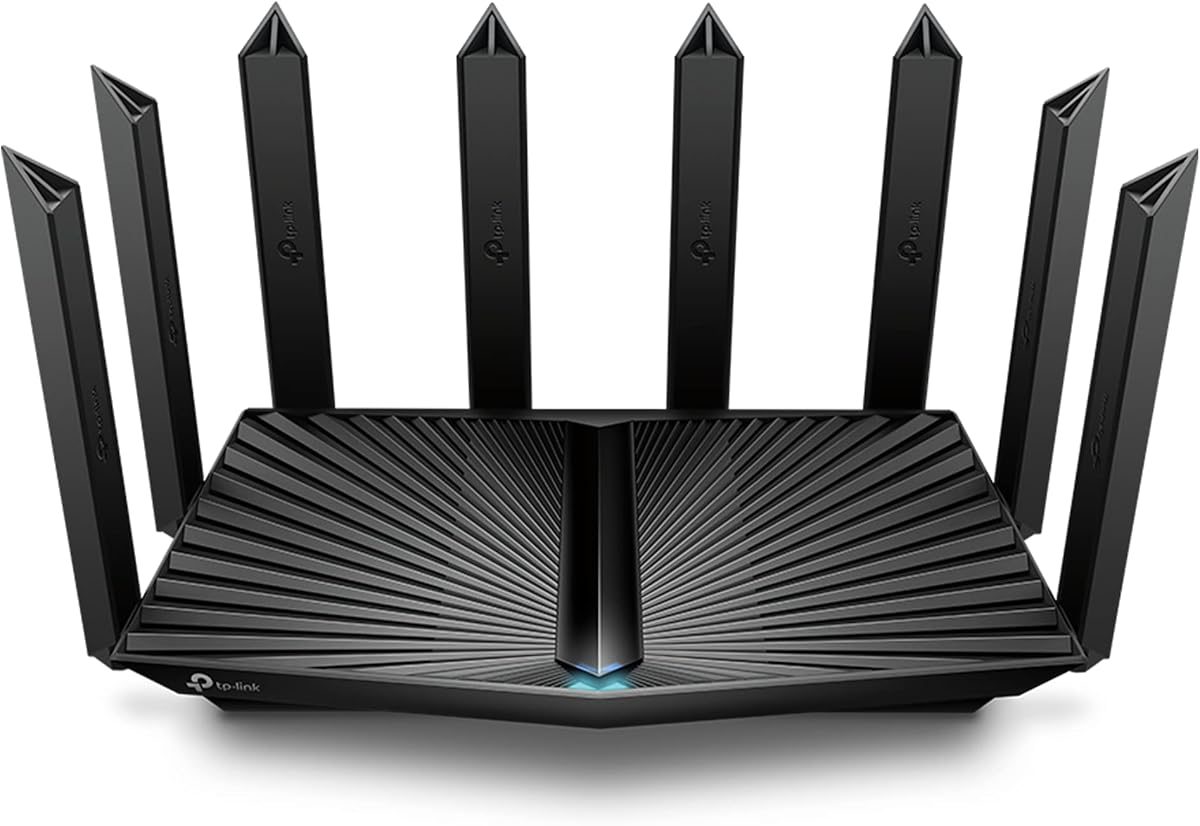
The TP-Link AXE5400 brings WiFi 6E to the mainstream, offering a dedicated 6 GHz band that minimizes interference. Its high rating reflects reliable performance for streaming and gaming where latency matters most.
We may earn a commission when you buy through this link, at no additional cost to you.
Tri-band technology splits traffic across three frequencies, reducing congestion when many devices are online. The 6 GHz band specifically targets high-bandwidth activities, providing near-zero latency for supported clients.
One limitation is that you need WiFi 6E devices to fully utilize the 6 GHz band. If your gear is older, you will still benefit from the 5 GHz band, but you won't access the latest spectral advantages.
This router is a great choice for families upgrading their network to handle smart homes. The EasyMesh capability ensures you can expand coverage without managing multiple networks manually.
By dedicating a band to new devices, this router avoids the overcrowding issues common on older 2.4 GHz networks, ensuring smoother connections.
With EasyMesh support, you can add extenders or other compatible routers to cover large homes without losing connectivity as you move around.
We may earn a commission when you buy through this link, at no additional cost to you.
The Flint 3 represents the cutting edge with Wi-Fi 7 technology, delivering up to 9 Gbps of bandwidth. It is designed for users who want the absolute lowest latency and highest throughput available today.
We may earn a commission when you buy through this link, at no additional cost to you.
Multi-Link Operation allows devices to use multiple bands simultaneously, which drastically reduces latency and packet loss. This is particularly useful for competitive gaming where every millisecond counts.
Although it is more expensive than Wi-Fi 6 models, the investment pays off in longevity and performance. The five 2.5G ports mean wired connections are also ready for multi-gig internet plans.
Choose this router if you have high-end devices and want a system that will remain relevant for years. It is perfect for tech enthusiasts who prioritize speed and advanced connectivity features.
Wi-Fi 7 features like 4K QAM and MLO ensure your network can handle emerging technologies and high-bandwidth applications without slowing down.
Integrated AdGuard Home support lets you block ads and trackers at the network level, keeping your traffic clean and efficient.
We may earn a commission when you buy through this link, at no additional cost to you.
NETGEAR's latest Nighthawk offers a robust WiFi 7 tri-band experience suitable for large homes. Its speed and coverage make it a strong contender for households with many simultaneous users.
We may earn a commission when you buy through this link, at no additional cost to you.
The dedicated 6 GHz band ensures your fastest devices get a clear lane, preventing slowdowns caused by congestion. The 2.5G WAN port unlocks multi-gig internet plans, removing wired bottlenecks.
Setup is straightforward via the Nighthawk app, but some advanced features are locked behind the app ecosystem. The security features included out of the box provide peace of mind without extra subscriptions.
This model is ideal for large spaces where range is a priority. If you need to cover up to 2,500 sq ft with high-speed connections, this router delivers on that promise.
Powerful antennas and beamforming technology help penetrate walls and floors, ensuring strong signals reach every corner of your home.
The app allows you to pause devices and run speed tests remotely, giving you control over your network without being near the router.
We may earn a commission when you buy through this link, at no additional cost to you.
The RS90 brings Wi-Fi 7 to a more affordable tier, making next-gen tech accessible for average households. It covers up to 2,000 sq ft effectively, ensuring consistent speeds for gaming and streaming.
We may earn a commission when you buy through this link, at no additional cost to you.
Despite being dual-band, it supports speeds up to 3.6 Gbps, which is significantly faster than older standards. The 2.5G WAN port ensures your internet connection isn't throttled by old Ethernet hardware.
It may lack some of the advanced traffic shaping of premium models, but it handles standard home loads effortlessly. The Nighthawk app provides a familiar interface for managing your network settings.
If you are looking for a cost-effective way to upgrade to Wi-Fi 7, this is a smart choice. It strikes a balance between modern performance and budget-friendly pricing for most users.
This model allows you to access the benefits of Wi-Fi 7 without the premium price tag of top-tier enterprise routers.
With a 2.5G WAN port, it is ready for internet plans that exceed traditional gigabit limits, preventing bottlenecks.
We may earn a commission when you buy through this link, at no additional cost to you.
The Archer BE230 is the entry point for Wi-Fi 7 technology, offering advanced features at a budget price. It supports speeds up to 3.6 Gbps and includes dual 2.5G ports for wired connectivity.
We may earn a commission when you buy through this link, at no additional cost to you.
Its dual-band design focuses on efficiency, utilizing 4K QAM to squeeze more data into available bandwidth. The quad-core processor handles traffic well, ensuring smooth performance during peak usage times.
While it covers up to 2,000 sq ft, larger homes might need a mesh system. However, for average-sized apartments, it provides excellent latency and speed for the price point.
This router is perfect for budget-conscious users who want future-proof connectivity. It allows you to start your Wi-Fi 7 journey without spending a fortune on premium hardware.
You get access to the latest wireless standards like 4K QAM and MLO without paying for expensive flagship features.
The inclusion of two 2.5G ports allows you to connect both your modem and a gaming PC for maximum wired throughput.
We may earn a commission when you buy through this link, at no additional cost to you.
The Flint 3e balances Wi-Fi 7 speed with exceptional VPN performance. It delivers speeds up to 1100 Mbps on WireGuard, which is rare for consumer routers and ensures secure gaming is not slow.
We may earn a commission when you buy through this link, at no additional cost to you.
With coverage up to 2,500 sq ft, it handles large spaces well. The MLO technology ensures devices maintain stable connections even when moving between different areas of your home.
This router is highly customizable, which is great for tech enthusiasts but might be complex for casual users. The focus on privacy and control makes it stand out from standard ISP routers.
Choose this model if you need a secure, high-speed network for gaming. It combines the best of open-source flexibility with modern wireless standards effectively.
The optimized VPN engine ensures that routing traffic through a server does not slow down your gaming or streaming experiences.
Integrated parental controls and Bark support help you manage screen time and online safety for children easily.
We may earn a commission when you buy through this link, at no additional cost to you.
This router is the pinnacle of gaming networking technology. With up to 30 Gbps wireless speeds and dual 10G ports, it is designed for enthusiasts who demand the absolute best performance.
We may earn a commission when you buy through this link, at no additional cost to you.
Triple-Level Game Acceleration optimizes traffic for game servers, reducing packet loss and ping. The 320MHz channels on the 6 GHz band provide a massive increase in capacity compared to older standards.
While the price is steep, the performance justifies it for serious gamers. The external antennas provide excellent signal strength, ensuring that even devices far away get a strong connection.
If you are building a dedicated gaming rig or a professional home office, this router will not hold you back. It is the best choice for those who want zero compromise in speed.
This feature optimizes traffic from your PC to the game server, ensuring the lowest possible latency for competitive play.
Dual 10G ports allow you to connect servers or NAS drives at speeds far beyond standard 1 Gig or 2.5 Gig connections.
We may earn a commission when you buy through this link, at no additional cost to you.
The AX80 is a powerful Wi-Fi 6 router that still competes well with newer models. With a 2.5G port, it supports multi-gig internet, ensuring wired connections are not the bottleneck.
We may earn a commission when you buy through this link, at no additional cost to you.
Its dual-band design focuses on capacity, allowing many devices to connect without slowing down. The beamforming technology directs signals to your devices, improving range and stability.
While it lacks the 6 GHz band of Wi-Fi 6E, it is a solid option for those who want proven stability. The 4.4 rating reflects high satisfaction among users who need consistent performance.
This router is great for families with many connected devices who do not need the absolute latest tech. It offers excellent value and reliability for a standard home network.
OFDMA and MU-MIMO technologies allow the router to communicate with multiple devices at once, reducing lag.
You can easily add OneMesh extenders to boost coverage in large homes without setting up separate network SSIDs.
We may earn a commission when you buy through this link, at no additional cost to you.
The GT-AXE11000 is a high-end Wi-Fi 6E router that delivers tri-band performance. Its 6 GHz band provides a clean channel for high-speed traffic, reducing congestion significantly.
We may earn a commission when you buy through this link, at no additional cost to you.
With a 2.5G LAN/WAN port, it supports multi-gig internet plans effectively. The cooling system and antenna design ensure it stays cool under heavy loads, maintaining consistent speeds.
While it uses the older Wi-Fi 6 standard rather than Wi-Fi 7, it still offers impressive speeds and low latency for most use cases. The gaming acceleration features help prioritize traffic for better responsiveness.
This router is a strong option for those who want tri-band performance without waiting for newer Wi-Fi 7 hardware. It is well-suited for gaming rigs and media-heavy households.
The 6 GHz band offers wider channels and less interference, resulting in higher throughput and better stability for new devices.
Game Acceleration boosts traffic from your device to game servers, ensuring a smoother online gaming experience.
We may earn a commission when you buy through this link, at no additional cost to you.
Selecting a router for low latency involves more than just picking the highest speed. You must consider your devices, home size, and specific usage needs to find the right fit.
Wi-Fi 6E and Wi-Fi 7 offer access to the 6 GHz band, which is less crowded and provides lower latency. If you have newer devices, these standards are preferable for minimizing delay during gaming or streaming.
Wi-Fi 6 is still capable but may face more congestion in dense neighborhoods. Consider your device compatibility when choosing between these standards.
If you use a desktop PC or console for gaming, look for routers with at least one 2.5G Ethernet port. This ensures your wired connection is not bottlenecked by older 1 Gigabit hardware.
Multi-gig ports future-proof your setup and allow you to take full advantage of high-speed internet plans.
Ensure the router covers your entire home. Larger houses may require models with beamforming or mesh compatibility to eliminate dead zones that cause latency spikes.
External antennas often provide better signal strength than internal ones, but design matters for overall range.
Quality of Service (QoS) allows you to prioritize gaming traffic over other downloads. Look for routers that offer easy access to these settings so you can manage bandwidth manually.
Some gaming-specific routers include hardware accelerators that automatically prioritize game packets.
Integrated security helps protect your network from threats that could slow down performance. VPN support is essential if you need to route traffic securely without significant speed loss.
Check if the router supports modern protocols like WireGuard, which are faster than older options.
A strong processor and ample RAM are vital for handling multiple devices without lag. High-end routers often include quad-core processors to manage traffic efficiently.
This ensures stability when many devices are connected simultaneously to your network.
A user-friendly interface makes it easier to adjust settings for low latency. Some routers rely heavily on mobile apps, while others offer detailed web-based dashboards.
Choose the management style that suits your technical comfort level.
Investing in the latest standard like Wi-Fi 7 ensures your router stays relevant as devices update. While it costs more now, it avoids the need for another upgrade soon.
Consider how long you plan to use the hardware before making a decision.
Start by placing your router in a central location elevated off the floor. This helps maximize signal distribution and reduces interference from walls and furniture.
Keep the firmware updated to the latest version. Manufacturers frequently release patches that improve stability and fix bugs that could cause latency.
Regularly restart your router every few weeks to clear the memory and maintain optimal performance. This simple step can often resolve unexplained slowdowns.
A good low latency router uses modern standards like Wi-Fi 6E or Wi-Fi 7 to access cleaner frequencies. It should also have a powerful processor and QoS features to prioritize real-time traffic like gaming.
Yes, Wi-Fi 7 introduces Multi-Link Operation which allows devices to use multiple bands at once. This reduces congestion and improves response times compared to older standards.
Yes, Ethernet provides the most stable connection with the least latency. However, modern Wi-Fi 7 routers can get very close to wired performance in optimal conditions.
Yes, these are routers, not modems. You need a separate modem or gateway from your ISP to connect to the internet, unless your ISP provided a combined unit.
Most of these routers can handle 50 to 100 devices. However, performance depends on how many are active simultaneously and what tasks they are performing.
Gaming routers often have specialized features like traffic prioritization. While any low latency router works, these offer extra tools to ensure your game traffic is never slowed down.
Yes, routers can accumulate bugs or degrade in performance. Restarting them periodically and keeping firmware updated helps maintain consistent speeds.
Choosing the right router depends on your specific needs. The GL.iNet Flint 2 is a versatile choice, while the ASUS ROG GT-BE98 Pro offers top-tier performance.
Prioritize wireless standards that match your devices. Wi-Fi 7 offers the best future-proofing, but Wi-Fi 6E is still a solid option for lower budgets.
Prices and availability change regularly. Always check current listings and reviews before buying to ensure you get the best deal for your network.