
waveshare 2.4inch LCD Display Module with 65K RGB Colors 240×320 Resolution SPI Interface
4.2Editor score
ILI9341 Driver embedded
240×320 resolution
SPI interface for easy wiring
LCD graphic displays are essential components for modern electronics projects, providing clear visual feedback and user interaction capabilities. Whether you are building a smart home device, an industrial control panel, or a custom IoT solution, selecting the right display module is crucial for success and reliability.
To compile this list, we analyzed key specifications including resolution, interface types, driver compatibility, and overall user feedback. We focused on modules that offer robust performance, ease of integration with popular microcontrollers, and value for money across various application scenarios and budget ranges.
Each pick in this guide highlights specific strengths such as touch functionality, color depth, or specialized interfaces. Please note that product availability and pricing can change frequently, so always verify the current details on the product page before making your final purchasing decision.
4.2Editor score

4.2Editor score

3.8Editor score
As an Amazon Associate we earn from qualifying purchases.
The following table provides a side-by-side comparison of all ten selected LCD graphic display modules. It highlights key specifications such as resolution, interface type, and unique features to help you quickly identify the model that best fits your technical requirements and budget constraints.


This 7-inch display module stands out as a top choice for developers needing a robust interface for smart home or IoT applications. With a rating of 4.2 stars, it offers a balance of performance and versatility that appeals to both hobbyists and professionals looking for reliable hardware.
We may earn a commission when you buy through this link, at no additional cost to you.
The ESP32-S3 controller provides powerful processing capabilities with dual-core performance and integrated WiFi and Bluetooth. This eliminates the need for separate communication modules, streamlining your project design. The 800×480 resolution ensures clear text and graphics, making it ideal for interactive dashboards.
While the price point is higher than basic screens, the integrated features justify the cost for complex projects. The only minor trade-off is the initial setup complexity, but the extensive documentation and tutorials provided mitigate this learning curve effectively.
If you are building an automation system or a custom control panel, this module is highly recommended. It delivers a professional user experience with reliable connectivity and a user-friendly interface that enhances any electronic project significantly.
The built-in WiFi and Bluetooth allow for easy connection to other devices and networks without additional hardware.
Support for Arduino IDE, PlatformIO, and MicroPython makes it accessible for developers of varying skill levels.
We may earn a commission when you buy through this link, at no additional cost to you.
This 2.4-inch module is an excellent entry point for those new to LCD displays or working with tight budgets. Its 4.2 rating reflects consistent performance and ease of use, making it a staple in many maker communities for quick prototyping and testing.
We may earn a commission when you buy through this link, at no additional cost to you.
The ILI9341 driver supports a rich 65K RGB color palette, ensuring that your graphics look vibrant and clear. The SPI interface minimizes the number of IO pins required, which is beneficial when working with microcontrollers that have limited pin availability for other tasks.
Although it lacks advanced features like high resolution or capacitive touch, it covers the basics exceptionally well. The included development resources for Raspberry Pi and STM32 help users get started quickly without extensive research into drivers or libraries.
For simple status indicators or small project interfaces, this module is hard to beat. It offers reliable performance at a fraction of the cost of larger screens, making it perfect for educational projects or lightweight applications.
Its small footprint allows for integration into space-constrained enclosures and portable devices easily.
Despite the size, the color reproduction is impressive for a budget module, enhancing user feedback visually.
We may earn a commission when you buy through this link, at no additional cost to you.
This display module stands out for its high-resolution IPS panel and unique magnetic mounting capability. While the rating of 3.8 indicates some software hurdles, the hardware quality is exceptional for users looking to customize their PC case or workstation setup extensively.
We may earn a commission when you buy through this link, at no additional cost to you.
The 1280×480 resolution provides sharp visuals that are superior to standard low-resolution modules. The IPS technology ensures good viewing angles and accurate color reproduction, which is essential for displaying dynamic content or detailed system monitoring data effectively.
The TRCC software allows for significant customization, but users must be prepared for installation and configuration steps. The magnetic design offers flexibility in placement, though power management requires attention to ensure stable operation during extended use.
If you want to add a premium aesthetic to your build or need a dedicated display for monitoring tools, this module is worth the investment. It combines hardware performance with unique form factors that are hard to find in other standard display solutions.
Dynamic and static image switching allows users to tailor the display to their specific monitoring needs.
The magnetic panel can move freely within the chassis, offering placement options that standard screws cannot.
We may earn a commission when you buy through this link, at no additional cost to you.
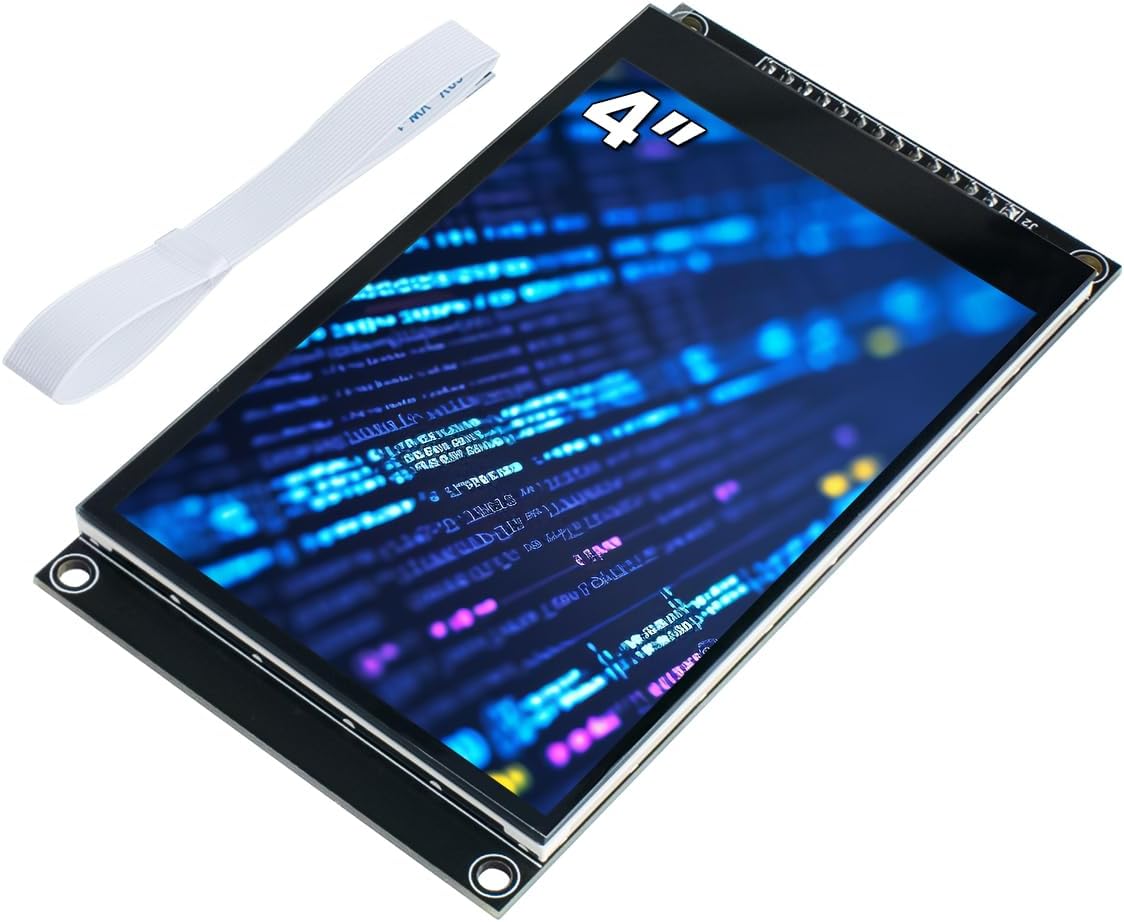
This module is designed specifically to work seamlessly with the Arduino Mega2560, making it a top choice for projects using that board. The 4.3 rating highlights its reliability and ease of direct connection without needing complex wiring setups or additional shields.
We may earn a commission when you buy through this link, at no additional cost to you.
The resolution of 480×320 offers ample space for detailed graphics and text, surpassing many smaller 2.4 or 3.2 inch modules. The onboard level conversion chip ensures compatibility with both 5V and 3.3V MCUs, reducing the risk of damage during integration and setup.
While the lack of touch functionality limits interactive use cases, the display clarity is excellent. The 36-pin interface might seem daunting initially, but it provides stable data transfer necessary for higher resolutions and faster refresh rates in data-heavy projects.
If your project relies heavily on the Mega2560 and requires clear visual feedback, this screen is a solid pick. It balances performance and ease of integration well, offering a clear window into your project's status without extra adapters or converters.
Direct insertion into the Mega2560 simplifies the setup process for Arduino users significantly.
The display provides sharp text and images, making it easy to read data in various lighting conditions.
We may earn a commission when you buy through this link, at no additional cost to you.
This module offers the advantage of capacitive touch which is more intuitive and precise than resistive alternatives. With a rating of 4.0 it serves as a reliable option for interactive projects that need touch input without the complexity of higher-end screens.
We may earn a commission when you buy through this link, at no additional cost to you.
The 320×480 resolution provides enough space for menus and controls while the SPI serial bus reduces IO pin usage. The inclusion of a micro TF card slot is a standout feature for storage expansion allowing users to save images or logs locally on the module.
The TN panel technology means viewing angles are not as wide as IPS screens but for most applications it is sufficient. The brightness is adequate for indoor use but might struggle in direct sunlight or very bright environments without shielding.
If you need a mid-sized screen with touch capability for a project, this module fits the bill well. The support for various controllers like ESP32 and Arduino R3 ensures you can integrate it into many different hardware setups with ease and flexibility.
Capacitive touch responds faster and more accurately to finger inputs for a better user experience.
The micro TF card slot allows for local data logging or image storage directly on the module.
We may earn a commission when you buy through this link, at no additional cost to you.
OLED technology brings high contrast and bright colors that make text and graphics pop against the dark background. With a rating of 4.7, this module is highly regarded for its visual clarity and versatility in various Arduino and microcontroller projects.
We may earn a commission when you buy through this link, at no additional cost to you.
The 256×64 resolution is perfect for displaying information lines like system status or simple graphs. The support for both parallel and SPI interfaces gives developers flexibility in how they connect the module to their specific hardware setup or board.
While the vertical resolution is limited to 64 pixels, the horizontal space allows for longer lines of text or wider graphics. The fact that it comes in a two-pack adds significant value for users who need multiple displays for distributed systems or redundancy.
For applications needing high visibility and sharp contrast, this OLED module is a strong candidate. It offers a premium visual experience at an affordable price point and the dual communication options ensure compatibility with a wide range of microcontrollers.
OLED panels provide deeper blacks and brighter colors than standard LCDs, enhancing readability.
Support for both parallel and SPI allows users to choose the best connection method for their pin constraints.
We may earn a commission when you buy through this link, at no additional cost to you.
This module is ideal for users who want a ready-to-use solution that includes protective casing from the start. The 3.8 rating reflects some initial setup challenges, but the hardware quality and included accessories make it a convenient option for rapid prototyping.
We may earn a commission when you buy through this link, at no additional cost to you.
The 5-inch display with 800×480 resolution offers a clear and responsive interface for HMI applications. The ESP32-S3 core provides robust performance for complex IoT projects, and the built-in wireless capabilities reduce the need for external modules in many designs.
The acrylic case provides physical protection which is great for field use but might limit quick access to pins for testing. Users should plan their project enclosure carefully to ensure the case does not interfere with wiring or button access during operation.
If you need a protected display for a functional prototype or a permanent install this is a strong choice. The integrated features and case save time on building custom enclosures, allowing you to focus on software and system logic development quickly.
The included acrylic case protects the screen from dust and accidental contact right out of the box.
The ESP32-S3 ensures that the display can handle demanding graphics and connectivity tasks efficiently.
We may earn a commission when you buy through this link, at no additional cost to you.
This module combines a decent resolution with touch functionality to create a versatile display for Arduino projects. With a rating of 4.2 it is well received by users who appreciate the balance of features and ease of use in their interactive designs.
We may earn a commission when you buy through this link, at no additional cost to you.
The 480×320 resolution allows for more detailed graphics than smaller screens, and the touch function adds interactivity. Using the SPI bus saves IO pins making it easier to connect other sensors or peripherals to your board without running out of space.
The SD card slot is a useful feature for projects that need to store images or data logs locally. The sample programs provided help reduce development time but you may need to update drivers to ensure compatibility with your specific Arduino IDE version.
If you need a touch interface for your project without a large budget this module is a solid choice. It supports popular boards like the Arduino R3 and Mega, ensuring broad compatibility for both hobbyists and educators looking for reliable visual feedback.
The touch function allows for menu navigation and data entry without physical buttons, enhancing user experience.
The SD card slot enables local storage for logs or images, reducing reliance on external storage devices.
We may earn a commission when you buy through this link, at no additional cost to you.
This tiny display module is perfect for projects where space is at a premium but quality matters. With a rating of 4.3 it delivers impressive visual quality for its size thanks to the IPS panel technology that ensures accurate colors and wide viewing angles.
We may earn a commission when you buy through this link, at no additional cost to you.
The 240×320 resolution is surprisingly capable for just two inches allowing for clear icons and text. The driver chip supports minimal GPIO usage which is great for microcontrollers with limited pin counts or when you need to connect many sensors alongside the display.
While the small size limits how much content you can show at once, it is ideal for status indicators or small menus. The support for both 3.3V and 5V logic levels simplifies wiring and reduces the need for voltage converters in mixed-voltage systems.
For wearable tech or portable gadgets, this module is an excellent choice. It balances high visual quality with a tiny footprint making it easy to integrate into handheld devices or custom enclosures where space constraints are a major consideration.
Its compact 2-inch form factor makes it easy to fit into small enclosures or wearable projects.
The IPS screen offers 262K colors ensuring that graphics look vibrant and true to life on a small screen.
We may earn a commission when you buy through this link, at no additional cost to you.
This module is built for industrial applications where reliability and visibility in bright conditions are paramount. While it lacks a specific user rating due to its specialized nature, it is a trusted option for professionals needing a durable display for harsh environments.
We may earn a commission when you buy through this link, at no additional cost to you.
The FSTN transflective technology allows the display to be read using ambient light, which is crucial for outdoor or high-light settings. The 240×128 resolution provides enough space for technical data and graphs without the power consumption of a backlit color screen.
Without a backlight, this module is not suitable for dark environments but excels where power efficiency is key. The standard 20-pin connector and industrial-grade build ensure it can withstand vibrations and temperature fluctuations in field conditions effectively.
If you are designing a panel for outdoor use or industrial machinery, this module offers reliability and efficiency. It saves power and ensures readability in sunlight, making it a practical choice for applications where battery life and durability are priority factors.
Transflective technology ensures that content remains visible even in direct sunlight without extra power.
Built for robust operation, this display handles vibrations and extreme temperatures better than consumer models.
We may earn a commission when you buy through this link, at no additional cost to you.
Choosing the right LCD graphic display involves balancing resolution, interface, and power requirements. This section breaks down the key factors to consider so you can select a module that fits your project needs.
Resolution determines how much detail you can show on the screen. Higher resolutions like 1280×480 are great for complex graphics, but they require more processing power. Size matters too, as a 7-inch screen offers more room than a 2-inch one, but takes up more space.
Choose a resolution and size that matches your content needs and physical space constraints.
Modules use interfaces like SPI, I2C, or Parallel to connect to your controller. SPI uses fewer pins, making it easier for boards with limited IO. Parallel offers faster data transfer but requires more wiring. Always check pin count against your board's capabilities.
Select an interface that matches your controller's pin count and speed requirements.
If your project needs user input, look for touch support. Capacitive touch is more responsive than resistive but costs more. Some modules have integrated touch while others require a separate layer. Decide if you need touch or if buttons suffice.
Prioritize capacitive touch for a modern feel if budget allows.
Ensure the display's driver chip works with your microcontroller. Most modern boards like ESP32 or STM32 support common drivers. Some modules come with specific libraries, making setup easier. Check if there are existing examples for your platform.
Verify driver compatibility with your development environment to save time.
Power consumption varies by display type. OLEDs and backlit LCDs use more power than reflective displays. If running on battery, consider models without backlight or those with efficient drivers. Voltage levels like 3.3V vs 5V also impact your power supply choice.
Choose a module with power needs that fit your energy source.
Color displays make projects more engaging but are costlier and use more memory. Monochrome or OLED displays are often brighter and clearer for simple text. Decide if color is necessary for your application or if high contrast is enough.
Use color only if your project demands it visually.
Industrial modules often have higher temperature ratings and better build quality. For hobby projects, standard screens work fine. If you plan to use the display outdoors or in harsh conditions, look for industrial-grade options with transflective panels.
Assess the environment where the display will be placed to ensure durability.
Good modules come with documentation, drivers, and example code. Check if there are community forums or tutorials available for the specific model. This support can drastically reduce debugging time and help you solve issues faster.
Opt for brands that offer strong technical support and documentation.
Start by connecting the display to your controller according to the pinout diagram provided in the documentation. Double-check voltage levels to avoid damaging the module, as some screens require specific logic voltages to function correctly.
Once connected, install the necessary libraries and drivers in your development environment. Run example sketches provided by the manufacturer to verify communication before moving on to custom code. This step helps ensure your hardware is working before you commit to a full build.
To care for the display, avoid touching the glass surface directly with sharp objects or excessive pressure. Keep the area clean from dust and moisture. If using outdoors, shield the display from direct sunlight or extreme weather to extend its lifespan.
Capacitive touch detects electric fields from your finger, making it more responsive and modern. Resistive touch relies on pressure to close two layers together, which can feel less precise. Capacitive screens are better for fast interactions.
Most SPI displays work with Raspberry Pi, but you may need to install specific drivers. Some modules like the waveshare series offer official support and drivers for Pi. Always check compatibility lists before buying for Pi projects.
Standard backlit LCDs struggle in direct sunlight as the backlight gets washed out. Transflective displays are designed to work well in bright environments by using ambient light. If sunlight is a concern, look for transflective panels.
Use a voltage regulator that matches the display's input requirements. Lower resolution displays typically consume less power. If using a backlight, consider adding a dimming feature to save battery life during extended use.
Some modules are designed to be plug and play, especially those with integrated controllers like the ESP32 displays. Others require wiring and driver installation. Check the product description for ease of setup before purchasing.
LCDs generally last thousands of hours before the backlight dims significantly. OLEDs may burn in faster if static images are shown for long periods. With proper care and avoiding excessive brightness, these displays can last for years.
We have reviewed the top 10 LCD graphic displays, highlighting options for budget, premium, and specialized use cases. Whether you need a touch screen or a simple interface, there is a module here to suit your technical requirements and project scale.
When making your decision, prioritize resolution and compatibility first. Ensure the module fits your controller's pinout and that the driver is supported by your chosen development environment. This will save you significant time and frustration during development.
Remember that pricing and availability fluctuate over time. Always check the current details on the product page before finalizing your purchase to ensure you are getting the latest version and the best deal available.