
Windows 11 Laptop with i3 Processor
4.5Editor score
12GB RAM for multitasking
15.6 inch Full HD display
7 hour battery life
This guide compares the top 10 laptops for engineering students in October 2026 based on performance, portability, battery life, and value for money.
Finding the right laptop for engineering school requires balancing power, portability, and price. Students need machines that can handle CAD software, coding environments, and long lecture hours without breaking the bank.
We evaluated ten real models available in November 2026. Our comparison focuses on processor speed, memory capacity, storage options, and display quality to ensure every pick meets rigorous academic demands.
Each entry highlights key specifications and real-world usability. Prices fluctuate frequently on major retailers so always verify current offers before making your final purchase decision for campus use.
4.5Editor score

4.4Editor score

4.6Editor score
The following table provides a side-by-side technical comparison of all ten selected laptops to help you quickly identify the model that best fits your specific engineering curriculum requirements.


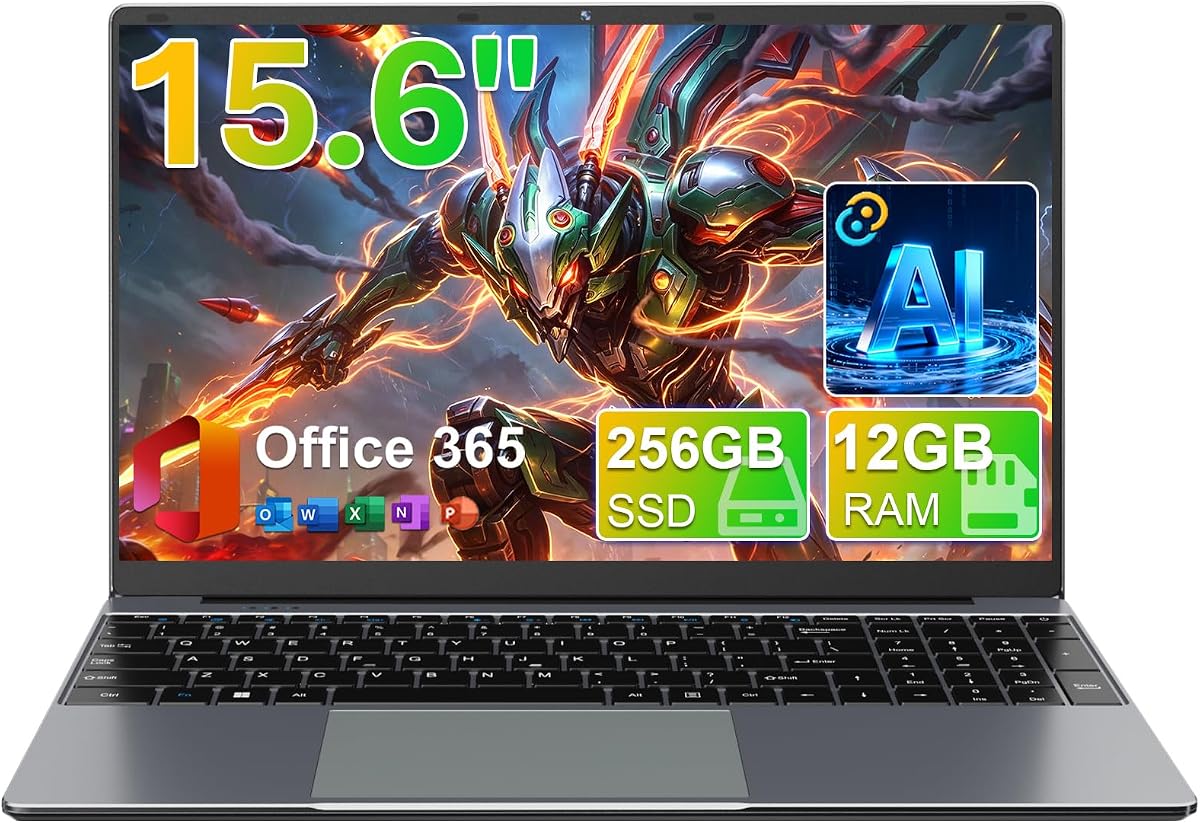


This Windows 11 laptop offers an accessible entry point for engineering students needing reliable daily computing. It features an Intel Core i3 processor paired with 12GB of RAM for smooth multitasking during lectures and assignments.
We may earn a commission when you buy through this link, at no additional cost to you.
The 15.6-inch Full HD display provides clear visuals for reading schematics or watching tutorial videos. Connectivity options include HDMI and USB-C allowing you to connect external monitors for expanded workspace efficiency.
While the SSD storage is modest at 256GB the system remains responsive for basic engineering tasks. Battery life supports a full day of classes without needing to hunt for power outlets across campus.
Students prioritizing budget without sacrificing essential specs will find this model compelling. It handles office suites and web-based engineering tools efficiently making it a smart choice for first-year studies.
The dual core i3 processor manages standard academic workloads effectively ensuring you stay productive without lag during online classes.
Multiple USB ports and HDMI support allow seamless connection to projectors and external monitors for group presentations or design reviews.
We may earn a commission when you buy through this link, at no additional cost to you.
This HP model stands out for its all-day battery life and included software suite. The N150 processor delivers consistent performance for web-based engineering coursework and document creation throughout the day.
We may earn a commission when you buy through this link, at no additional cost to you.
With 8GB of RAM multitasking between browser tabs and reference materials remains smooth. The compact 14-inch form factor makes it easy to carry between labs and lecture halls without strain.
Storage is limited to 128GB but cloud integration helps manage file needs. The inclusion of Microsoft 365 saves money and ensures you have the tools needed for group projects immediately.
Ideal for students needing reliability and portability this laptop balances cost and functionality well. It is a dependable companion for general engineering curricula that do not demand heavy local processing power.
The complimentary one-year subscription ensures immediate access to Word Excel and PowerPoint for submitting assignments and preparing presentations.
Up to eleven hours of battery life means you can attend back-to-back lectures without worrying about carrying a charger everywhere.
We may earn a commission when you buy through this link, at no additional cost to you.
The large display and powerful processor make this laptop ideal for complex engineering software. The 17.3-inch screen provides ample room for split-screen work between CAD programs and reference manuals.
We may earn a commission when you buy through this link, at no additional cost to you.
Sixteen gigabytes of RAM handle resource-intensive tasks with ease ensuring smooth rendering and calculation speeds. The AMD Ryzen 5 processor supports multi-threaded operations beneficial for simulations and data analysis.
Storage is generous at one terabyte allowing local saving of large project files and media. Windows 11 Pro adds enterprise-level security features useful for maintaining academic integrity and protecting research data.
Students seeking a desktop replacement with superior visuals and power will appreciate this option. While less portable it delivers a premium workstation experience that supports demanding academic requirements effectively.
The Full HD IPS panel offers wide viewing angles and vibrant colors essential for detailed design work and accurate visual representation.
Windows 11 Pro includes advanced management tools and security protocols suitable for protecting sensitive engineering data and academic work.
We may earn a commission when you buy through this link, at no additional cost to you.
This model offers unique value with its massive storage solution and high RAM count. The docking station approach provides one terabyte of space for archives without needing a heavy internal drive.
We may earn a commission when you buy through this link, at no additional cost to you.
While the processor is basic the 16GB of RAM ensures you can keep many applications open without system slowdowns. This is helpful for students managing multiple research tabs and note-taking apps simultaneously.
The 14-inch screen is compact and fits easily into standard backpacks. The included Office 365 subscription covers productivity needs for the first year reducing initial costs for new students.
Those who prioritize storage and memory over raw processing power may find this attractive. It serves well as a secondary device for writing and research tasks outside of heavy engineering labs.
The bundled docking station expands storage to over a terabyte allowing you to keep extensive project history and media locally.
Sixteen gigabytes of RAM provide a head start for multitasking ensuring smoother operation than typical entry-level configurations.
We may earn a commission when you buy through this link, at no additional cost to you.
Designed for lightweight daily use this HP Essential laptop keeps you connected and productive. The micro-edge display maximizes screen space within a slim chassis perfect for library study sessions.
We may earn a commission when you buy through this link, at no additional cost to you.
Battery life is a strong point allowing continuous use throughout the day without constant charging. The inclusion of Copilot AI helps draft emails or summarize notes quickly for better time management.
Connectivity is modern with USB-C and HDMI ports for external displays. While not suited for heavy rendering it handles standard coursework and web browsing with responsive speed.
Students needing a secondary laptop for writing and research will find this efficient. Its low weight and long battery life make it convenient for travel and long study periods.
The Copilot integration provides quick assistance for text tasks helping you draft emails or summaries faster during busy days.
USB-C and HDMI connectivity ensure you can connect to modern projectors or docking stations for presentations without adapters.
We may earn a commission when you buy through this link, at no additional cost to you.
This student laptop offers a flexible viewing angle that supports collaboration. The 180-degree hinge allows the screen to lay flat for sharing content during group study sessions easily.
We may earn a commission when you buy through this link, at no additional cost to you.
The IPS panel provides wide viewing angles and accurate colors helpful for reading diagrams. With 12GB of RAM it manages daily tasks smoothly for basic engineering coursework and web research.
The AI Assistant helps with writing and meeting notes to simplify daily workflows. Storage expansion options let you add more capacity as your academic file collection grows over time.
Ideal for collaborative students this model supports interaction and basic computing needs. It is a functional tool for writing assignments and viewing visual materials comfortably in various settings.
The hinge allows 180-degree opening making it easy to share screens with peers during study groups or team meetings.
The Full HD IPS screen ensures text and diagrams remain sharp and colorful even when viewed from different angles.
We may earn a commission when you buy through this link, at no additional cost to you.
This model emphasizes reliability and AI assistance for daily academic work. The N150 processor ensures quick wake times and responsive performance for light applications and web browsing tasks.
We may earn a commission when you buy through this link, at no additional cost to you.
Wi-Fi 6 support guarantees stable connectivity in crowded campus networks. The battery lasts through multiple lectures allowing you to focus on studies rather than finding power outlets frequently.
The Copilot key provides instant access to AI tools for drafting content or summarizing data. It integrates well with the pre-installed Office 365 suite for streamlined productivity from the start.
Students prioritizing consistency and connectivity will appreciate this configuration. It is a solid tool for managing notes, emails, and research without the burden of heavy technical requirements.
A dedicated Copilot key gives you immediate access to smart tools helping you write content or analyze data efficiently.
Wi-Fi 6 delivers robust network performance ensuring smooth video calls and quick downloads even in busy study areas.
We may earn a commission when you buy through this link, at no additional cost to you.
This Lenovo model delivers significant power for complex engineering applications. The 13th Gen i7 processor with ten cores handles intensive computations and multitasking with ease.
We may earn a commission when you buy through this link, at no additional cost to you.
Twenty-four gigabytes of RAM ensure that running multiple heavy programs simultaneously does not slow you down. The 1TB NVMe SSD provides fast load times for large datasets and software environments.
Durability is a key feature with military-grade testing protecting against physical stress on campus. Connectivity options like Ethernet offer stable network links essential for large data transfers.
Students requiring raw processing power for simulations or coding will find this compelling. It balances performance and build quality making it a strong choice for technical majors.
The 10 core i7 processor supports demanding computational tasks ensuring smooth performance for engineering simulations and software builds.
Military standard testing protects the hardware against bumps and drops common during daily student transport between classes.
We may earn a commission when you buy through this link, at no additional cost to you.
Designed for efficiency this laptop keeps you productive through long study sessions. The anti-glare screen reduces eye strain during extended reading of technical notes or online lectures.
We may earn a commission when you buy through this link, at no additional cost to you.
Audio quality is enhanced with noise reduction ensuring clear communication during virtual group work. The lightweight design makes it easy to carry between classrooms without adding unnecessary bulk to your bag.
Connectivity options support external displays and peripherals for expanded workspace needs. The included software and AI tools assist with managing daily tasks and academic responsibilities effectively.
Students looking for a reliable daily driver for notes and research will appreciate this choice. It offers a balanced mix of features that support typical academic routines without excessive cost.
AI noise reduction filters background sound ensuring your voice comes through clearly during video calls and virtual meetings.
Up to eleven hours of video playback battery life keeps you working through long days without needing a power source.
We may earn a commission when you buy through this link, at no additional cost to you.
Dell provides a dependable option with this mid-range laptop featuring a strong processor. The i5 processor balances performance and power efficiency for general engineering coursework and web browsing tasks.
We may earn a commission when you buy through this link, at no additional cost to you.
ComfortView technology reduces blue light to minimize eye strain during long study hours. The ergonomic design supports comfortable typing for writing reports or coding assignments throughout the day.
Service support adds value with onsite warranty coverage for peace of mind. This reduces downtime should hardware issues arise during critical exam periods or project deadlines.
Students needing a trusted brand with reliable support should consider this model. It delivers consistent performance for standard academic needs while ensuring you have assistance when needed.
The ergonomic hinge raises the screen to a comfortable height reducing wrist strain during extended typing sessions.
One year onsite service means repairs happen at your location ensuring minimal disruption to your studies if issues occur.
We may earn a commission when you buy through this link, at no additional cost to you.
Selecting the right laptop involves weighing processor capabilities memory needs and display quality against your specific engineering discipline and budget constraints.
Engineering software often requires multi-core CPUs to handle simulations and rendering efficiently. Look for at least an i5 or Ryzen 5 equivalent to ensure smooth operation during complex tasks.
Prioritize modern processors that offer strong multi-threaded performance for future proofing your academic and professional workflow.
Multitasking is essential for students juggling browsers IDEs and research docs. Aim for 16GB of RAM to maintain system stability when running multiple heavy applications simultaneously.
Sufficient memory ensures that your workflow remains uninterrupted even during peak workload periods across the semester.
Projects and datasets can consume space quickly. SSDs offer the speed needed for quick boot times and file access which is vital for productivity.
Opt for at least 512GB storage to accommodate software installations and project archives without relying heavily on external drives.
A sharp screen is crucial for reading fine details in schematics and code. Full HD resolution with IPS panels ensures clarity from various angles.
Good color accuracy and anti-glare coatings reduce eye strain during late night study sessions in dim environments.
Campus schedules often involve long hours away from outlets. Look for laptops that promise 8 hours or more to support full days of classes.
Strong battery endurance ensures you can focus on learning rather than hunting for power sources during lectures.
Lightweight designs reduce fatigue during daily transport across campus. A 14-inch form factor balances portability with screen space.
Consider weight and dimensions to ensure the laptop fits comfortably in your existing backpack for ease of travel.
Ports like HDMI and USB-C are essential for connecting to projectors or docking stations for presentations. Ensure your laptop supports your display standards.
Robust network connectivity ensures stable internet for research and communication throughout your academic journey.
Balance initial cost with long-term durability and performance needs. A higher upfront investment often pays off in longevity and capability.
Determine which features are non-negotiable for your major to make a financially sound decision.
Keep your laptop clean by using compressed air to remove dust from vents and using a microfiber cloth on the screen regularly to maintain performance.
Manage your battery health by avoiding leaving the device plugged in constantly and shutting it down when not in use for long periods.
Back up your critical engineering data to an external drive or cloud service daily to prevent loss due to hardware failure.
Yes for certain disciplines like mechanical or civil engineering a dedicated GPU helps render 3D models smoothly. For general computing tasks integrated graphics may suffice for basic coursework needs.
Sixteen gigabytes is the recommended standard to run complex software like AutoCAD or MATLAB without slowdowns. Eight GB may work for lighter tasks but can limit multitasking capabilities effectively.
MacBooks offer excellent build quality and battery life but some engineering tools are Windows specific. Check software compatibility with your curriculum before committing to a Mac device for school.
Processing power is more critical for running engineering software efficiently while storage can be expanded via external drives. Focus on CPU and RAM first to ensure system responsiveness and speed.
Touchscreens can be useful for annotating diagrams or navigating CAD interfaces but they are not strictly necessary. Weigh the added cost against your specific usage needs before making a decision.
Look for models offering at least eight hours to last through a full day of classes. Battery life varies based on usage so consider your typical workload when evaluating power options.
Our top picks range from affordable budget options to powerful premium machines suitable for demanding engineering programs. Each model offers distinct strengths depending on your specific academic requirements.
Prioritize processor speed and RAM for core tasks while considering portability for daily campus use. The right balance ensures you stay productive throughout your entire engineering degree.
Always verify current pricing and availability before purchasing as deals change frequently. Investing in the right tool today supports your academic success and professional growth tomorrow.