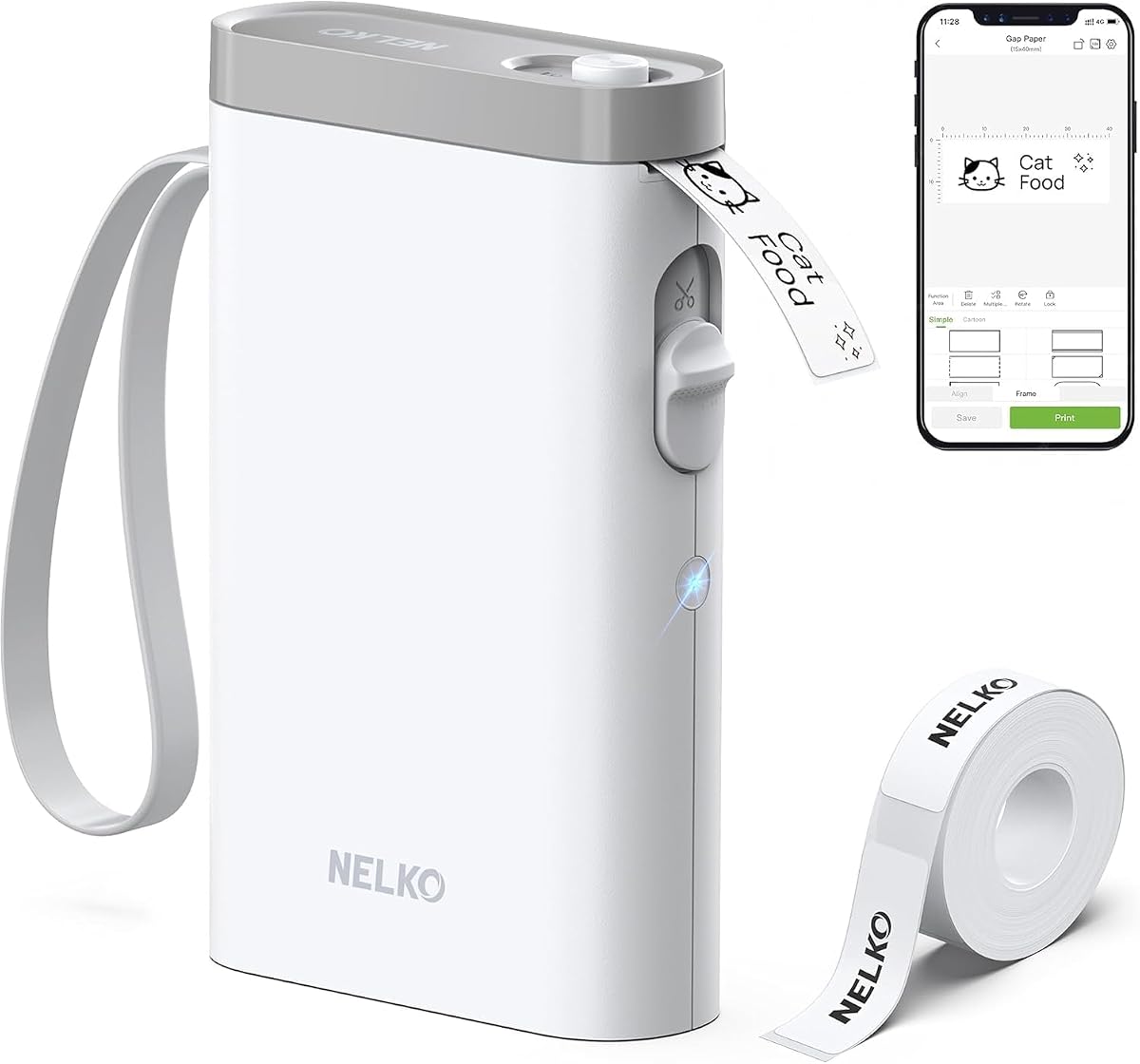
Nelko P21
4.4Editor score
Portable Bluetooth connectivity
No ink required printing
Ideal for classroom labels
Finding the right label printer for library environments requires balancing speed, durability, and connectivity options. Librarians need devices that can handle high volumes of barcode tags, spine labels, and shelving markers without frequent jams or ink shortages. A professional-grade thermal printer often delivers the best long-term value for institutional use cases.
We evaluated ten leading models based on print quality, connectivity features, and tape compatibility. Each product was analyzed for its ability to support library workflows such as asset tracking, circulation management, and classroom organization. Our selection includes both desktop units and portable handheld makers to suit different operational needs.
Every pick in this guide highlights key strengths and potential limitations for library staff. You will see detailed specifications, pros and cons, and real-world application notes for each device. Prices fluctuate frequently so please verify current costs before making your final purchasing decision today.
4.4Editor score

4.3Editor score

4.5Editor score
As an Amazon Associate we earn from qualifying purchases.
The following table provides a side-by-side comparison of all ten selected label printers to help you quickly identify the most suitable device for your specific library organization needs and budget constraints.


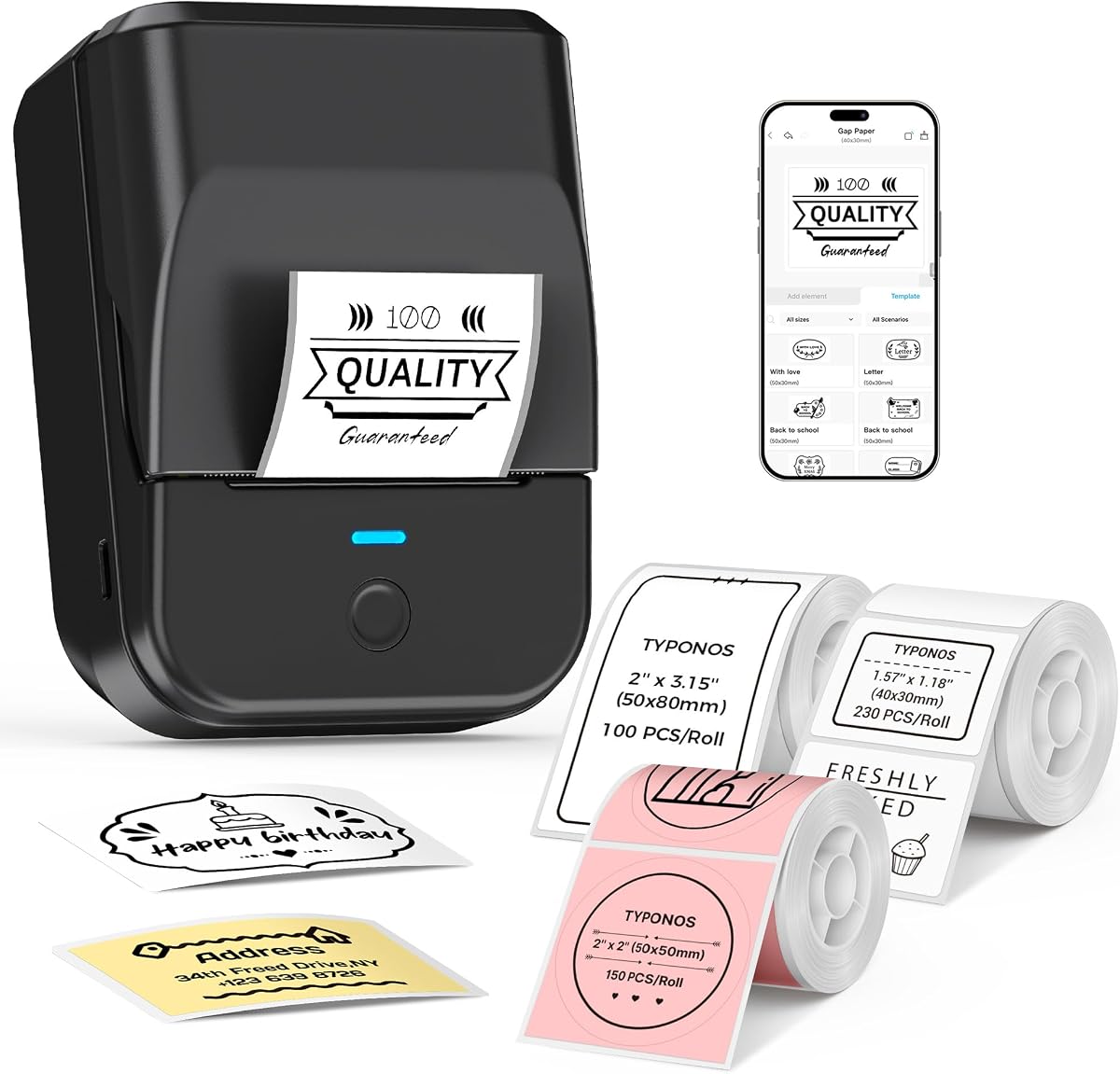

The Brother QL-820NWB stands out as a top-tier professional label printer ideal for high-volume library environments. With a rating of 4.3 stars, it delivers exceptional speed and connectivity options that streamline asset tracking workflows efficiently.
We may earn a commission when you buy through this link, at no additional cost to you.
Its primary strength lies in its ultra-fast printing capability which can produce up to 110 standard address labels per minute. The network connectivity via Ethernet and Wi-Fi allows multiple staff members to send print jobs from any workstation without physical cable constraints.
While the device requires specific DK tape rolls which can be more expensive than generic options, the quality of the output is outstanding. The 300 DPI resolution ensures barcodes and QR codes are scannable which is critical for circulation systems.
Librarians managing large collections or needing to print long continuous labels for signage will find this device indispensable. The dual-color printing capability adds a layer of visual hierarchy to your shelving labels that improves user navigation.
Print up to 110 labels per minute for rapid organization tasks without bottlenecks.
Connect via Ethernet or Wi-Fi to allow shared printing across the library network.
We may earn a commission when you buy through this link, at no additional cost to you.
The Brother PT-D610BT earns a premium badge for its robust feature set tailored to professional business and institutional needs. Rated 4.5 stars it offers advanced connectivity and design tools that make creating consistent library labels straightforward and efficient.
We may earn a commission when you buy through this link, at no additional cost to you.
Key strengths include the built-in memory that stores up to 90 frequently used labels for quick reprinting. This feature significantly reduces repetitive typing when labeling similar items like bins or folders across different sections of the library.
Although it is limited to printing labels up to 1 inch wide which may restrict use for large spine labels, the clarity of the output is excellent. The large color LCD allows you to preview designs before printing which minimizes waste.
Staff members responsible for asset management will appreciate the 175 pre-loaded templates designed specifically for inventory tracking. This unit combines desktop functionality with Bluetooth convenience making it versatile for various organizational tasks.
Store up to 90 labels to reuse common designs without retyping them.
See labels on the LCD screen before printing to ensure accuracy and reduce waste.
We may earn a commission when you buy through this link, at no additional cost to you.
The Nelko P21 is an excellent budget-friendly choice for libraries needing a portable solution for small labels. With a 4.4 star rating it offers thermal printing technology that eliminates the need for ink cartridges making it cost-effective for daily use.
We may earn a commission when you buy through this link, at no additional cost to you.
Its primary strength is portability and ease of use via a smartphone app. You can connect via Bluetooth and print labels for student folders or supplies directly from your phone which saves time compared to desktop units.
While it does not support continuous tapes and relies on specific roll sizes the quality of the prints is crisp and clear. The built-in battery allows for extended use without needing a constant power source nearby.
This device is ideal for teachers and staff who need to label classroom items quickly. The app provides thousands of icons and templates allowing for creative and consistent labeling across the library space.
Connect via Bluetooth to iOS and Android phones to print labels on the go.
Use BPA-free direct thermal paper to avoid messy ink or toner replacements.
We may earn a commission when you buy through this link, at no additional cost to you.
The Brother PT-M95 offers a straightforward standalone experience for those who prefer not to use a computer or phone for labeling. With a 4.5 star rating it provides essential features in a compact package that is easy to carry around the library.
We may earn a commission when you buy through this link, at no additional cost to you.
Key strengths include the inclusion of four label tapes in the bundle which adds immediate value. The QWERTY keyboard makes typing labels fast and intuitive for staff members who want quick results without complex setups.
While it lacks Bluetooth or USB connectivity the simplicity is a benefit for environments where digital distractions are minimized. The monochrome printing is sufficient for clear text labels on bins and files.
This model is best suited for occasional labeling tasks where budget is a primary concern. It delivers reliable performance for basic needs without the added cost of advanced connectivity features.
Create labels directly on the device without needing a computer or smartphone connection.
Get multiple tape rolls included to start printing immediately after unboxing.
We may earn a commission when you buy through this link, at no additional cost to you.
The Brother QL-810W balances performance and connectivity for professional library labeling needs. Rated 4.2 stars it offers the speed required for bulk tasks like printing address labels or barcode tags for circulation.
We may earn a commission when you buy through this link, at no additional cost to you.
Its primary strength is the combination of USB and WiFi connectivity which allows flexibility in how it is connected to your network. This ensures you can share the printer across multiple workstations easily.
While it is similar to the QL-820NWB the slightly lower price point makes it attractive for smaller libraries. The ability to print in red allows for highlighting important information on labels effectively.
Librarians who need to print name badges or file folder labels will find the speed beneficial. The cutter life is robust which supports high-volume usage without frequent maintenance or replacements.
Connect via USB or WiFi to share the printer across your library network easily.
Print up to 110 labels per minute to keep up with busy cataloging periods.
We may earn a commission when you buy through this link, at no additional cost to you.
The SUPVAN T50M Pro provides a versatile option for libraries needing larger label widths without professional costs. With a 4.5 star rating it supports labels up to 2 inches wide which is useful for signage or bin tags.
We may earn a commission when you buy through this link, at no additional cost to you.
Key strengths include the free app that provides image editing capabilities and auto label size recognition. This makes it easy to customize labels for specific items without technical knowledge of drivers.
While it relies on Bluetooth and a smartphone the flexibility is high for mobile staff members. The variety of compatible label shapes like square or round allows for creative organization systems.
This printer is ideal for small businesses or smaller library branches that need versatile output. The lack of ink requirements keeps ongoing costs low for frequent labeling tasks.
Print labels from 3/4 inch to 2 inches wide for various shelving needs.
The app automatically recognizes the label size to simplify setup and printing.
We may earn a commission when you buy through this link, at no additional cost to you.
The Brother QL-800 is a reliable high-speed printer designed for desktop environments where USB connection is preferred. With a 4.3 star rating it offers professional print quality that is suitable for detailed shipping or asset labels.
We may earn a commission when you buy through this link, at no additional cost to you.
Its primary strength is the Plug and Label feature which enables instant printing from office software without complex drivers. This streamlines the workflow for staff who need to generate labels from spreadsheets quickly.
While it lacks wireless features the robust USB connection ensures stability for large batch jobs. The auto cutter handles precise label finishing which is essential for clean shelf displays.
Librarians who prefer direct computer control over the printer will appreciate this simplicity. The black and red printing capability enhances the readability of critical information on your labels.
Print directly from Microsoft Word or Excel without needing extra software installations.
The built-in auto cutter ensures clean finished labels ready for immediate application.
We may earn a commission when you buy through this link, at no additional cost to you.
The NIIMBOT B1 is a compact label maker that offers 2-inch label support for versatile organizational needs. With a 4.3 star rating it provides a balance of size and function suitable for library supply rooms.
We may earn a commission when you buy through this link, at no additional cost to you.
Key strengths include the auto-detection of label size which removes manual setup steps. The rechargeable battery and auto-shutoff feature help conserve energy when the device is not in active use.
While it is not compatible with tablets the iOS and Android phone support is sufficient for most mobile labeling tasks. The USB option allows for desktop use if needed for larger print jobs.
This device is ideal for quick labeling of containers or equipment where durability matters. The inkless design ensures you can print frequently without worrying about running out of ink supplies.
The printer automatically detects label size to streamline your printing workflow.
Made with high-quality ABS material to withstand regular use in busy environments.
We may earn a commission when you buy through this link, at no additional cost to you.
The PM240 Label Maker stands out with advanced app features like AI text to image and OCR recognition. With a 4.4 star rating it offers high definition printing that is crisp enough for small text on bins.
We may earn a commission when you buy through this link, at no additional cost to you.
Its primary strength is the smart app which supports Excel import and batch printing for bulk tasks. The built-in battery offers up to 100 days standby time which reduces charging frequency significantly.
While you cannot connect via Bluetooth and USB simultaneously the flexibility of both options is beneficial. The waterproof and tear-resistant tape options ensure durability for library items that are handled often.
Librarians who need to print complex labels with images will find the AI features useful. The app library of icons and templates helps create consistent branding across the library shelves.
Use AI text to image and OCR to simplify complex label creation tasks quickly.
Enjoy up to 100 days standby time per charge for minimal interruptions.
We may earn a commission when you buy through this link, at no additional cost to you.
The Seiko Smart Label Printer 620 is a robust desktop unit built for consistent high-volume performance. With a 4.4 star rating it delivers fast printing speeds that are suitable for standard address or file labels.
We may earn a commission when you buy through this link, at no additional cost to you.
Key strengths include the front load design which makes changing labels quick and easy without moving the unit. The included software allows for easy formatting and organization of your label templates efficiently.
While it has a larger footprint than portable models it is ideal for fixed workstations in the library. The lack of wireless connectivity is offset by the speed and ease of use with a connected PC.
Librarians who prefer traditional desktop printers will appreciate the reliability. The standard label sizes ensure compatibility with common organizational systems used in academic or public libraries.
Swap rolls quickly without moving the printer from your desk setup.
Use intuitive software to format and customize all labels with ease.
We may earn a commission when you buy through this link, at no additional cost to you.
Selecting the right label printer involves evaluating several factors specific to library workflows such as print volume, connectivity needs, and durability requirements.
High-volume library environments benefit from printers that can produce over 90 labels per minute to keep up with cataloging demands. Consider the daily average of labels you need to print to avoid bottlenecks during peak periods.
Prioritize devices with fast thermal printing capabilities if you manage large collections requiring frequent updates.
Libraries often need shared access so printers with Ethernet, Wi-Fi, or USB host capabilities allow multiple staff members to send print jobs easily. Bluetooth is useful for mobile tasks but may be limited for office-wide sharing.
Ensure the chosen model supports the connection types available in your library network infrastructure for seamless integration.
Different tasks require different label sizes. Spine labels need narrower widths while shelving signage may require up to 2 inches. Check if the printer supports continuous tapes or pre-sized rolls based on your labeling strategy.
Choose a model that offers the necessary width range to avoid needing multiple machines for different labeling tasks.
Library labels must withstand handling so look for thermal printers that support waterproof, oil-resistant, and tear-resistant tapes. High-resolution printing ensures barcodes remain scannable even after wear and tear.
Opt for printers compatible with durable tape brands to maintain professional results over time.
User-friendly software or apps simplify label creation for staff with varying tech skills. Features like templates, icons, and direct integration with office suites save significant time during label design.
Verify that the software is compatible with your operating systems to prevent installation issues.
Consider the long-term cost of consumables like ribbons or tapes. Thermal printers eliminate ink costs but proprietary tapes can be pricey so evaluate the cost per label before purchasing.
Compare the price of replacement tapes for different models to estimate total cost of ownership accurately.
If your staff labels items across different rooms or branches, a portable Bluetooth unit allows work to be done on the go. Larger desktop units are better for stationary workflows where space is available.
Select a form factor that matches your physical workspace needs to maximize efficiency.
Institutional equipment should come with reliable warranty coverage to protect against defects. Check the manufacturer's support resources and customer service reputation to ensure quick resolution of technical issues.
Review warranty terms carefully to understand what components are covered during the standard period.
Begin by setting up the printer on a stable surface and loading the appropriate tape roll according to the manufacturer instructions. Ensure the tape path is aligned correctly to prevent jams during operation.
Download the necessary drivers or mobile app for your device to enable communication between the printer and your computer or smartphone. Test a sample print to confirm the text alignment and barcode readability.
Maintain your printer by cleaning the printhead regularly with a soft cloth to remove dust or debris that affects print quality. Store unused tapes in a cool dry place to prevent adhesive degradation and keep the device covered when not in use.
Desktop thermal printers like the Brother QL series are ideal for shelving due to their high speed and ability to print continuous labels. They support barcode and text combinations required for systematic organization.
Yes, many models support narrow widths like 9mm or 12mm which are standard for spine labels. Ensure you select the correct tape width during setup to achieve the desired result.
Most of the recommended printers use direct thermal technology which requires no ink or toner. This reduces ongoing costs and maintenance while delivering clear, professional labels.
Wireless printers are reliable provided your network is stable and the device supports Ethernet or Wi-Fi. This allows staff to print from multiple computers without physical cable constraints.
Use the printer software to select a barcode font or template and input the item ID number. Ensure the print resolution is high enough to guarantee scanning accuracy.
Professional models can last several years with regular cleaning and proper tape handling. The printhead life often depends on the volume of labels printed so consider warranty coverage for long-term use.
Many professional printers support continuous tape up to 3 feet which is useful for banners or signage. Verify if your model has an auto-cutter to trim labels to exact sizes.
Handheld Bluetooth models like the Nelko P21 are excellent for mobile labeling. They pair with smartphones to create tags for items in various locations around the library.
This guide has highlighted the top ten label printers for library organization ranging from portable budget models to high-performance networked units. The Brother QL-820NWB leads as the Editor's Choice for its speed and connectivity while the Nelko P21 offers unmatched affordability.
Prioritize your specific needs such as label width, connectivity options, and budget when making your final decision. A printer that fits your workflow will save valuable time for staff and ensure your collection remains properly tagged.
Remember that prices and availability fluctuate so always check current product listings before purchasing. We hope this expert guide helps you find the perfect tool to keep your library organized and accessible.