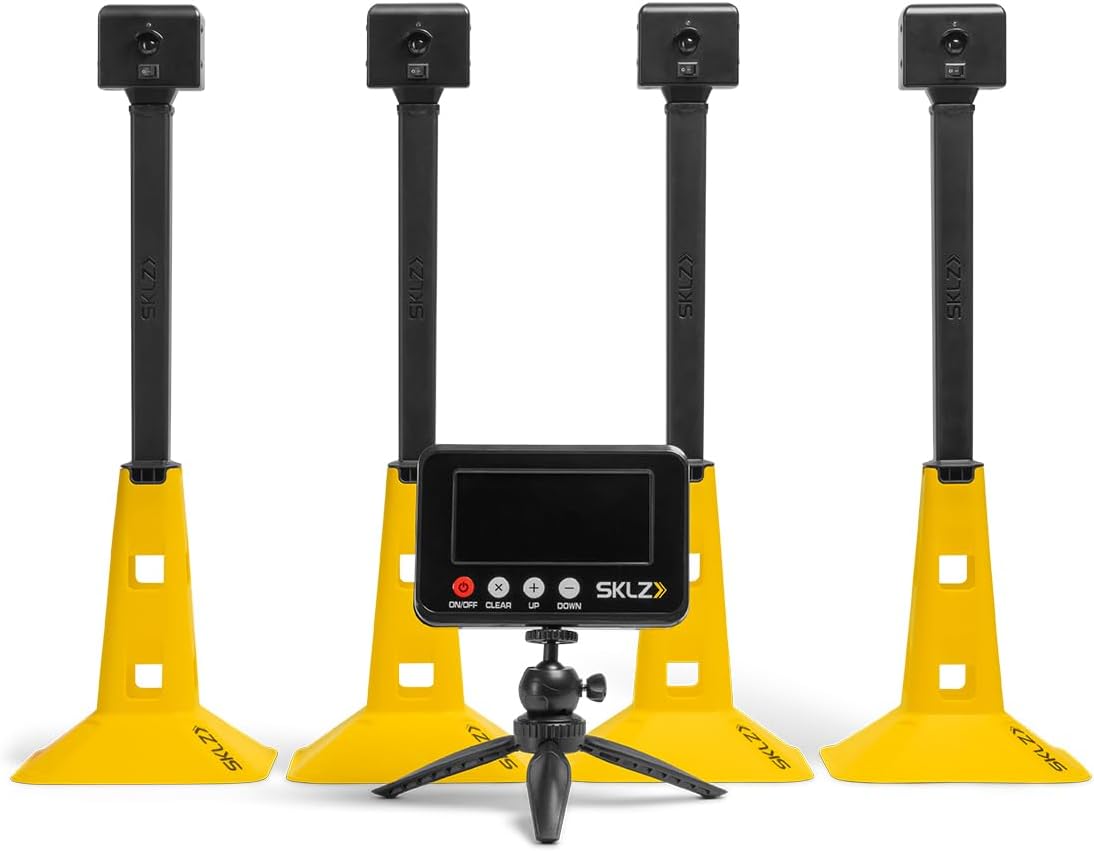
Speed Gates Pro – Electronic Sprint Timing System with Radio Frequency Sensors
3.7Editor score
Radio frequency sensors for up to 50 yards
LED timer visible indoors and outdoors
Stores up to 50 recent times
This guide compares ten top electronic sprint timing systems for coaches and athletes, analyzing accuracy, portability, features, and value to help you choose
Selecting the right electronic sprint timing system is crucial for coaches and athletes aiming to measure performance accurately. Modern systems offer wireless connectivity, precise laser sensors, and durable designs suitable for various training environments ranging from indoor gyms to outdoor tracks.
We evaluated ten leading electronic sprint timing systems based on accuracy, ease of use, battery life, and portability. Our comparison includes options for budget-conscious teams and professional facilities needing high-end reliability. Each product was assessed for its ability to handle diverse athletic drills and events effectively.
Each pick in this list highlights specific strengths such as LED visibility, memory storage, or wireless range. We provide detailed breakdowns to help you match a system with your training needs. Please note that prices and availability can change frequently on Amazon, so verify current listings before purchasing.
3.7Editor score

4.5Editor score

5.0Editor score
This side-by-side comparison covers ten electronic sprint timing systems available in 2026. We analyze key specifications like sensor type, battery life, display visibility, and included accessories to help you understand the differences between each model quickly and effectively.


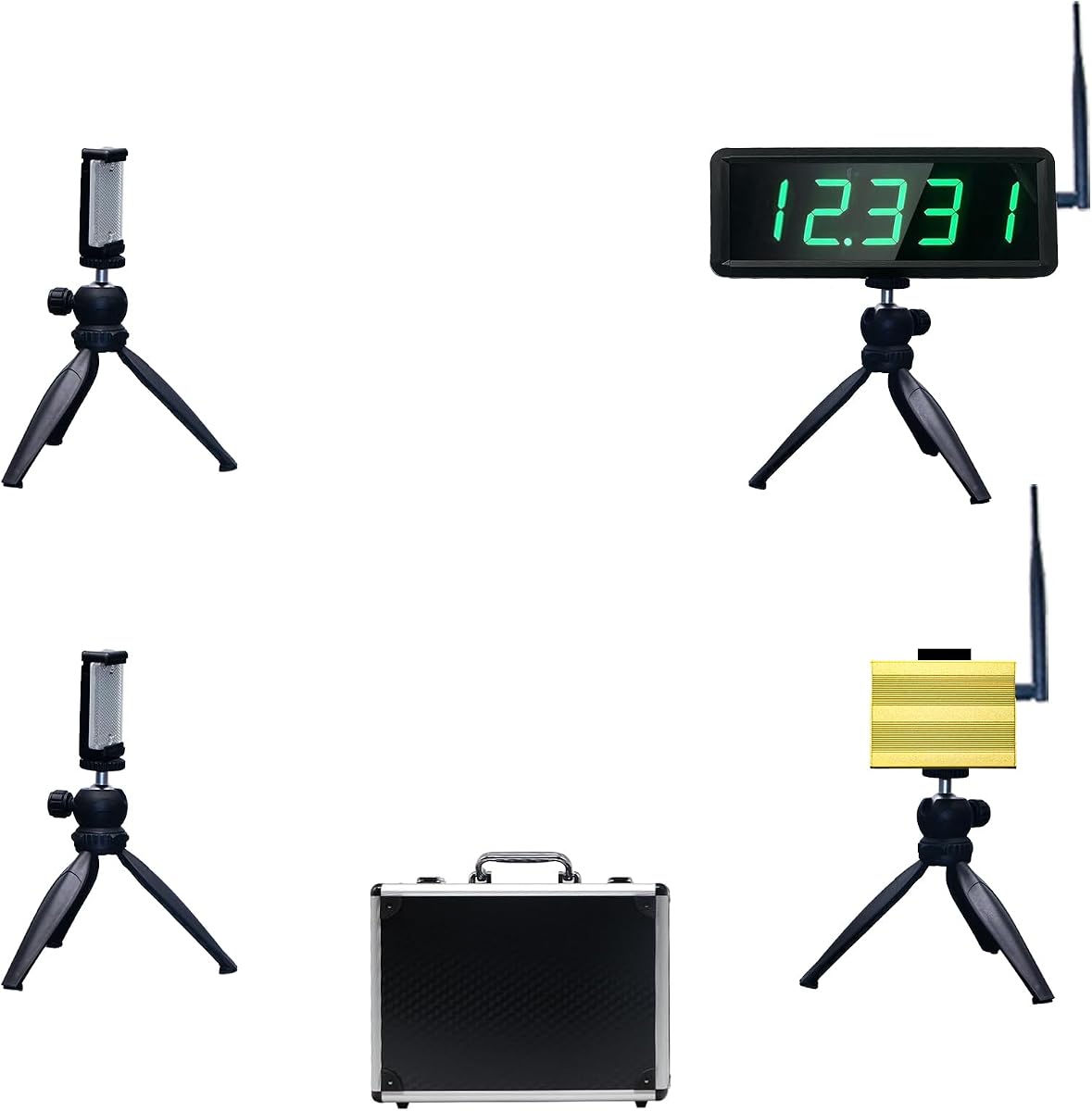


The Powered Wireless Laser Timer for Sprints with High Stand stands out as the top choice for serious coaches needing reliable, accurate timing. It combines premium materials with a user-friendly interface that minimizes setup time while maximizing performance during drills.
We may earn a commission when you buy through this link, at no additional cost to you.
Its standout feature is the adjustable tripod system extending to 5.25 feet, ensuring the laser sensors clear athletes of varying heights without obstruction. The HD display remains clearly readable even in direct sunlight, which is critical for outdoor track sessions.
While it offers extensive features, the setup requires some time to assemble the tripods correctly. This is a minor trade-off given the precision and flexibility it provides for diverse training scenarios ranging from sprints to cycling drills.
Coaches looking for a balance of portability and professional accuracy should prioritize this system. Its robust construction and intuitive controls make it an invaluable tool for tracking athlete improvement over seasons effectively.
The high-performance chipset ensures timing accuracy critical for tracking subtle improvements in sprint times and athletic performance metrics.
Rugged carrying case protects the timer and accessories during transport, making it ideal for traveling teams or multi-facility programs.
We may earn a commission when you buy through this link, at no additional cost to you.
The Speed Gates Pro offers an accessible entry point for teams needing basic electronic timing without breaking the budget. It features radio frequency sensors that can handle up to 50 yards, covering most standard athletic drills.
We may earn a commission when you buy through this link, at no additional cost to you.
Its LED timer is visible both indoors and outdoors, ensuring coaches can review times easily. The memory function stores up to 50 recent times, allowing for quick comparisons without external recording tools.
Despite its budget-friendly price, it has a lower user rating compared to premium models. This suggests potential variability in durability or accuracy under extreme conditions compared to more expensive systems.
Teams on a tight budget who need reliable timing for standard sprints and agility drills will find this system sufficient. Its included carry bag makes transport straightforward for youth sports programs.
Rechargeable lithium batteries reduce ongoing costs compared to disposable options, making it economical for frequent use over long periods.
Suitable for various drills including 40-yard dashes and agility courses, providing flexibility for different sport-specific training needs.
We may earn a commission when you buy through this link, at no additional cost to you.
The Power Systems Brower TCi represents the pinnacle of electronic sprint timing technology available on Amazon. Its redundant transmission system ensures that times are never missed, providing maximum reliability for competitive events.
We may earn a commission when you buy through this link, at no additional cost to you.
Wireless synchronization allows multiple units to work together without cables, crucial for multi-lane track setups. The ability to analyze signal strength ensures optimal positioning for consistent data collection during high-pressure testing.
The price point is significantly higher than other options, reflecting its professional-grade features. This system is best suited for facilities where accuracy and reliability are non-negotiable requirements.
Professional tracks and elite training facilities should invest in this system for its unmatched data integrity and channel capacity. It eliminates connectivity issues common in wireless systems.
With 32 independent channels, multiple timers can operate simultaneously in close proximity without signal interference or timing conflicts.
Signal strength analysis allows technicians to troubleshoot connectivity issues proactively before they impact event timing data integrity.
We may earn a commission when you buy through this link, at no additional cost to you.
The 40/60 Yard Sprint Timer offers exceptional precision for athletes needing split-second accuracy in performance metrics. Its laser racing time is accurate to 0.001 seconds, which is vital for competitive track events.
We may earn a commission when you buy through this link, at no additional cost to you.
It supports up to 100-meter sprints with a wireless communication range of 400 meters. This allows coaches to place the timer far from the starting line without signal loss during longer races.
The included tripod is smaller, which might require purchasing a separate bracket for higher stands. Battery life lasts eight hours, but charging takes five hours before the next use.
Track athletes and coaches needing millisecond precision should choose this model. Its accuracy and long-range capabilities make it ideal for serious performance tracking.
Built-in rechargeable battery ensures operation without constant reliance on external power sources during outdoor training sessions.
Bright LED display resists visible light interference ensuring data visibility even under direct sunlight or changing weather conditions.
We may earn a commission when you buy through this link, at no additional cost to you.
The Dashr 2.0 Timing Systems offers a three-gate configuration ideal for coaches needing split time data for athletes. This capability allows detailed analysis of acceleration phases within a single sprint.
We may earn a commission when you buy through this link, at no additional cost to you.
It comes with all necessary components including lasers, reflectors, and tripods. This ensures a complete solution out of the box for advanced speed training sessions without needing extra purchases.
While the price is premium, the ability to measure multiple points on a track provides deeper insights into performance. It is highly rated for its consistent accuracy in competitive settings.
Athletes focusing on acceleration and stride analysis will benefit most from the three-gate setup. It is a top choice for professional development programs requiring granular performance data.
Three gate configuration enables coaches to measure split times providing detailed data on acceleration and deceleration phases.
Full kit includes lasers, reflectors, and tripods ensuring immediate deployment without additional accessory purchases.
We may earn a commission when you buy through this link, at no additional cost to you.
SKLZ Speed Gates are designed for quick setup and use in team environments needing basic timing. They work well for 20-yard dashes and agility drills common in sports like football and soccer.
We may earn a commission when you buy through this link, at no additional cost to you.
Indicator lights confirm gate alignment in seconds, reducing delays during practice sessions. The timer memory stores the 50 most recent times for quick review by coaches.
The range is limited to 20 yards, making it unsuitable for longer sprints. It uses AA batteries which may require frequent replacement depending on usage frequency.
Team coaches focusing on short bursts and agility should find this system convenient and effective. Its ease of setup allows athletes to focus on drills rather than equipment.
Light indicators on sensors confirm alignment quickly allowing coaches to start drills faster with less downtime.
Suitable for various sports testing including combine testing and PE assessments providing versatile utility across teams.
We may earn a commission when you buy through this link, at no additional cost to you.
The YZ Laser Timer stands out for its impressive battery life, offering up to 10 hours of continuous use after a single charge. This makes it ideal for all-day training camps or tournaments.
We may earn a commission when you buy through this link, at no additional cost to you.
It provides accurate timing down to 0.001 seconds which satisfies most coaching needs for speed drills. The toolbox packaging helps organize all components securely for transport.
While not as rugged as top-tier models, it offers excellent value for its features and battery endurance. It includes four stands and cables which reduces the need for additional purchases.
Coaches prioritizing extended battery performance should consider this system. Its reliability over long sessions ensures consistent data collection throughout multiple athletic events.
Extended battery life ensures uninterrupted timing sessions without frequent interruptions for recharging during long practices.
Comes with stands and cables ensuring a complete package ready for setup immediately upon arrival.
We may earn a commission when you buy through this link, at no additional cost to you.
The Wireless Laser Timer offers six usage modes covering single-timer and receiver configurations for various training scenarios. It supports lap times and sprint modes providing flexibility for different drills.
We may earn a commission when you buy through this link, at no additional cost to you.
It comes with a flight case that protects the timer and accessories during transport. This durability is valuable for teams traveling to competitions regularly.
The battery lasts 7 hours per charge and the timer is accurate to 0.001 seconds. However, the lower user rating suggests potential setup or connectivity issues.
Coaches needing multiple timing modes will find this system useful despite its limitations. It balances feature diversity with reasonable battery performance at a competitive price.
Six modes allow users to switch between lap, trigger, and interval modes adapting to different training activities easily.
Flight case included protects equipment ensuring longevity during transport to various venues for competitions.
We may earn a commission when you buy through this link, at no additional cost to you.
The Speed tech Single Training timer is designed specifically for specialized sports like skating and motorcycle racing. Its infrared induction timing provides precise detection for moving subjects in diverse environments.
We may earn a commission when you buy through this link, at no additional cost to you.
It supports wireless communication up to 500 meters allowing for flexible placement of the timer relative to the start point. This range is crucial for long track events.
The device requires a power bank for operation which adds complexity but allows mobility. Users must ensure sensors and displays are spaced to prevent interference during setup.
Athletes in niche sports requiring specific sensor types will find this unit well-suited. Its specialized features make it stand out from standard sprint timers.
Infrared induction timing is ideal for specific applications like motorcycle racing or skating where standard lasers may not suffice.
USB power bank compatibility ensures operation without direct outlet access making it flexible for outdoor tracks.
We may earn a commission when you buy through this link, at no additional cost to you.
The TimeRider Laser Timing System offers clear visibility even under direct sunlight, which is vital for outdoor coaches. Its accurate sensor ensures reliable timing for track and field tests.
We may earn a commission when you buy through this link, at no additional cost to you.
Dual power options allow switching between battery and plug-in modes depending on the location of the practice. The adjustable height stand ensures it fits any training scene.
While it has fewer advanced features than premium models, its simplicity is a strength for straightforward coaching needs. It provides consistent performance for standard speed training sessions.
Teams seeking a simple, reliable system with clear visibility should choose this model. It offers good value for regular use without complex setup requirements.
Bright LED display ensures clear visibility even under direct sunlight allowing coaches to see times easily outdoors.
Dual power options ensure operation regardless of access to power outlets making it suitable for remote fields.
We may earn a commission when you buy through this link, at no additional cost to you.
Choosing the right electronic sprint timing system involves understanding your specific training needs, budget, and environment. This guide covers critical factors that influence performance and usability.
The accuracy of sensors determines how precise your timing data will be. Systems with laser or RFID sensors typically offer better accuracy than basic infrared options.
Battery life impacts how long a system can operate without needing a recharge. Long-duration sessions require systems with extended battery runtimes.
A clear display is essential for outdoor use. Look for LED or HD displays that remain readable in bright sunlight and varying light conditions.
Wireless range affects how far the timer can be placed from the start and finish lines. Long-range systems are better for larger tracks.
Portability is key for teams moving between venues. Check if the system includes a carrying case and is lightweight enough for transport.
Wireless synchronization options allow multiple units to work together. This is crucial for multi-lane tracks or split-time tracking.
Simple setup ensures minimal delays before practice. Systems with intuitive buttons or pre-calibrated sensors save valuable time during sessions.
Price varies widely based on features. Determine your budget and prioritize essential features over extra options that may not impact training.
Begin by reading the manual to understand sensor alignment. Place sensors at the start and finish lines ensuring they face each other directly to avoid interference.
Ensure batteries are fully charged before each session to prevent data loss. Carry backup power options or chargers for long training days.
Clean sensors regularly to remove dust or debris that could affect accuracy. Store the system in its case when not in use to protect from damage.
Laser sensors generally offer higher accuracy and longer range compared to infrared sensors. Infrared sensors are often more affordable and sufficient for short indoor drills.
Yes most systems are designed for both indoor and outdoor use. Look for models with bright displays and weather-resistant components for outdoor durability.
Battery life varies by model ranging from 5 to 10 hours. Always check specifications before purchase to ensure it meets your training session duration.
Most systems allow for individual timing but some premium models offer multi-channel support. This allows simultaneous timing of multiple lanes or athletes.
Wireless range can vary significantly. Some systems support up to 500 meters which is suitable for large outdoor tracks and fields.
Many systems include memory storage for recent times. Check if the model supports external data export or connects to smartphones for detailed record keeping.
Tripods are recommended for stability and height adjustment. Some kits include tripods while others require separate purchase to ensure sensor alignment.
Most timers have dedicated reset buttons on the device. Follow the manual instructions to ensure proper calibration before starting any drill.
This guide has highlighted the top electronic sprint timing systems ranging from budget to premium options. Each system offers unique advantages depending on your specific athletic training requirements.
Prioritize features like accuracy, range, and battery life based on your most common training scenarios. Investing in a reliable system can significantly improve athlete performance tracking.
Remember to check current prices and availability before finalizing your decision. Prices may fluctuate so compare options carefully to find the best value.