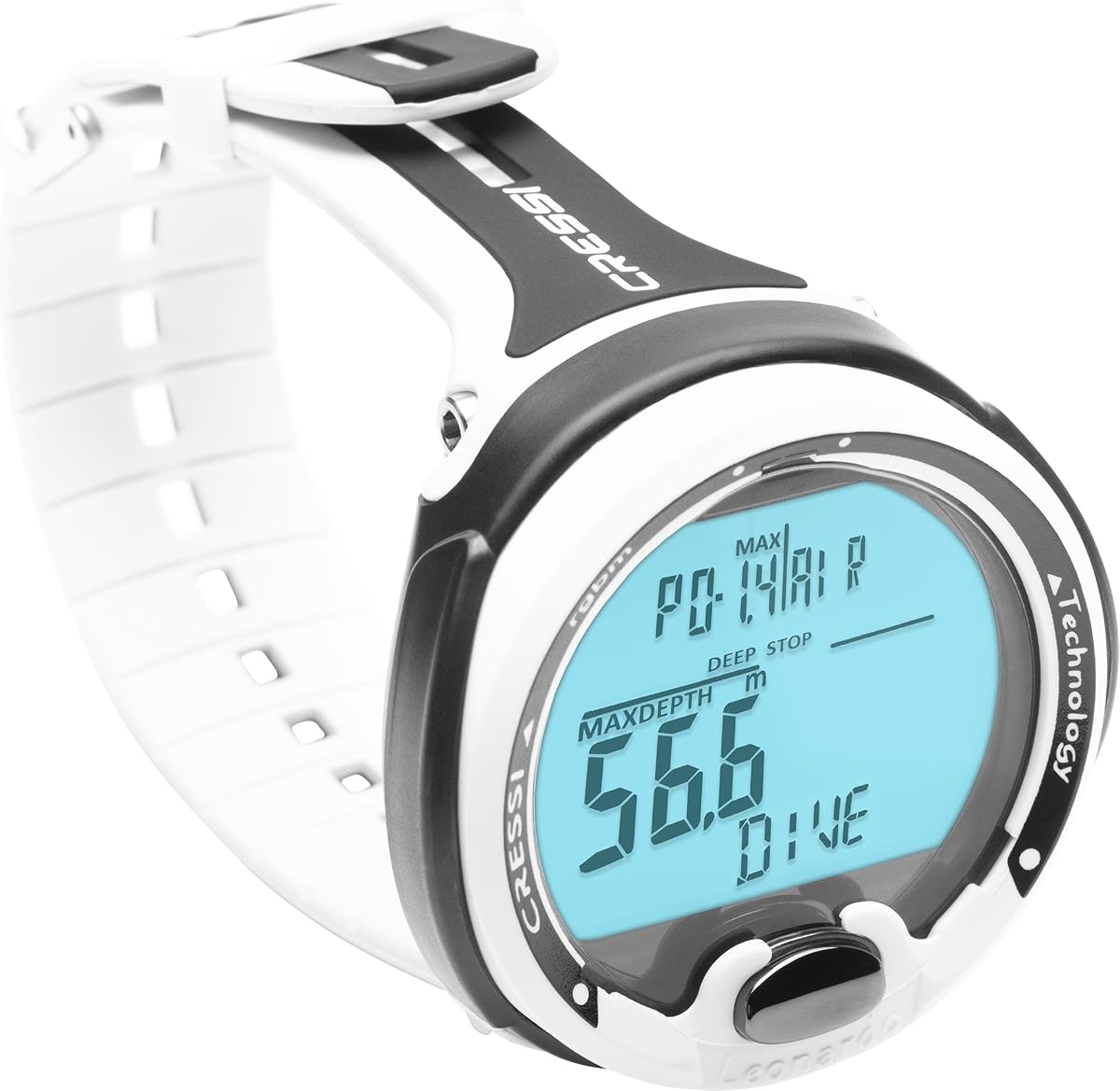
CRESSI Leonardo 2.0 G2 Dive Watch
4.2Editor score
One-button control
Nitrox support
Smartphone connectivity
This guide compares the top 10 dive computer for beginners to help you choose the best model for safety ease and features.
Choosing the right dive computer for beginners is essential for safety and confidence underwater. A good model offers clear displays intuitive controls and reliable decompression tracking to keep your dives enjoyable and secure.
We analyzed ten top-rated options based on user reviews expert ratings and key features like battery life connectivity and gas options. Our list covers wrist watches and gauges suitable for new divers starting their underwater journey.
Each pick highlights standout features pros and cons to match different needs and budgets. Prices and availability change frequently so check current listings before purchasing to ensure you get the best deal today.
4.2Editor score

4.7Editor score

4.7Editor score
Compare the key specs and features of all ten dive computers side by side to find the model that fits your diving style and budget needs.


The Shearwater Research Peregrine Dive Computer earns our top spot for its intuitive design and reliable performance. With a 4.7 rating it stands out for clarity and simplicity.
We may earn a commission when you buy through this link, at no additional cost to you.
Its two-button interface and state-aware menus make navigation easy even under pressure. The USB wireless charging station and long battery life ensure you spend less time managing gear and more time diving.
While it lacks some advanced wireless tank features it covers all basics thoroughly. The 30-hour battery on medium brightness is excellent for travel or multiple dives.
Beginners who value ease and durability will love this model. It balances high performance with straightforward controls perfectly.
The two-button setup and clear menus reduce cognitive load underwater letting you focus on enjoying the experience safely.
Up to 30 hours per charge means fewer charging cycles and more confidence when diving away from power sources for days.
We may earn a commission when you buy through this link, at no additional cost to you.
The CRESSI Leonardo 2.0 G2 offers Italian craftsmanship at a beginner-friendly price. Its single-button interface simplifies menu navigation under water.
We may earn a commission when you buy through this link, at no additional cost to you.
Versatile modes for air nitrox and gauge let you grow with the device. Alarms alert you to critical data quickly while USB or infrared transfer helps log dives.
Its single-button design is straightforward but some may find the display less sharp than higher-end models. Still it delivers strong value for entry-level needs.
Ideal for budget-conscious new divers who want essential features and app connectivity. It’s a smart start before upgrading later.
This model gives you professional features like nitrox support and alarms without the high price tag of advanced computers.
Pair with iOS or Android to track and analyze your dives easily keeping detailed records of every underwater adventure.
We may earn a commission when you buy through this link, at no additional cost to you.
The Garmin Descent™ X30 brings premium features like surface GPS and a bright color display to divers willing to invest. It is designed for rugged use with up to 1000 meters depth.
We may earn a commission when you buy through this link, at no additional cost to you.
Surface GPS helps you navigate to and mark entry and exit points while customizable screens keep data visible. Recycled materials and NDL metrics enhance both safety and sustainability.
Its larger size and cost may not suit every budget but the performance is unmatched. Depth metrics help plan dives efficiently to extend bottom time safely.
Best for divers who want advanced features and durability. If you value GPS and environmental responsibility this top pick delivers.
Surface GPS lets you mark and return to entry and exit points making logistics easier and dives more organized.
NDL Aware depth metrics show how depth changes affect no-decompression limits helping you plan safer longer dives.
We may earn a commission when you buy through this link, at no additional cost to you.
The SUUNTO D5 features a vivid color display and wireless tank pressure monitoring that simplifies setup. Its 100m water resistance and compass add practical value for recreational divers.
We may earn a commission when you buy through this link, at no additional cost to you.
Vibration alarms ensure you notice warnings even in noisy environments. The color screen enhances readability but wireless pairing can be inconsistent and battery life depends on usage.
While wireless tank pressure is convenient it may not always connect reliably. Still the compact design and color display make it a solid option for many.
Choose this if you prioritize visual clarity and wireless features. It offers modern conveniences at a mid-range price.
A bright color display makes depth and time easy to read underwater improving safety and confidence during dives.
Monitor tank pressure wirelessly to reduce hose clutter and streamline your gear setup for more comfortable dives.
We may earn a commission when you buy through this link, at no additional cost to you.
The Mares Puck Pro EZ shines with its high contrast screen that keeps data visible in all conditions. It uses the Buhlmann ZH-L16C algorithm for reliable decompression calculations.
We may earn a commission when you buy through this link, at no additional cost to you.
A single button interface simplifies navigation underwater while Bluetooth connectivity helps transfer logs. The replaceable power source supports up to 100 dives per charge.
It is limited to single gas nitrox and lacks GPS which may restrict some divers. Still its precision and readability are hard to beat for recreational use.
Perfect for divers prioritizing display clarity and safety. It delivers reliable performance without extra complexity.
High contrast screen ensures depth and time are always visible reducing stress and improving dive safety.
Buhlmann ZH-L16C algorithm with dual factors provides precise decompression data trusted by industry standards.
We may earn a commission when you buy through this link, at no additional cost to you.
The Cressi Donatello is a versatile choice for divers who enjoy both scuba and freediving. Its single-button interface and deep stops allow personalized ascent planning.
We may earn a commission when you buy through this link, at no additional cost to you.
Transition between air and nitrox modes easily while freediving gauge mode supports breath-hold sessions. IR data transfer works well but lacks Bluetooth convenience.
While logs are basic and transfer is IR based the design is user-friendly and portable. It suits new divers seeking flexibility across dive types.
Best for those who want one device for multiple activities. It balances simplicity and features effectively.
Use air and nitrox modes for scuba plus freediving gauge mode to cover all your diving interests in one watch.
Adjustable deep stops let you customize ascent plans improving safety and reducing decompression stress.
We may earn a commission when you buy through this link, at no additional cost to you.
The Cressi Raffaello stands out with a built-in compass and RGBM mixed-gas planning for precise navigation. It supports four modes and Bluetooth USB transfers.
We may earn a commission when you buy through this link, at no additional cost to you.
The compass eliminates extra gear while RGBM improves safety for complex dives. Long battery life and Bluetooth connectivity enhance daily usability.
It lacks GPS and is bulkier but the compass adds significant convenience. Ideal for divers who navigate without surface aids.
Great for those who value built-in navigation and mixed-gas planning. It offers robust tools in a compact package.
A digital compass built in removes the need for a separate device freeing your hands and gear setup.
RGBM mixed-gas planning supports multiple mixes and improves decompression tracking for more adventurous dives.
We may earn a commission when you buy through this link, at no additional cost to you.
The Garmin Descent™ Mk3i is a premium watch-style computer with an AMOLED display and titanium bezel. It includes SubWave sonar for diver communication.
We may earn a commission when you buy through this link, at no additional cost to you.
Health metrics like sleep and stress help assess readiness while dive maps offer depth contours and sites. The large size and cost suit serious enthusiasts.
It is expensive and large but offers unmatched multi-activity features. Ideal for those who want a daily smartwatch and dive tool.
Choose this if you need advanced health and comms features. It excels for high-tech divers.
Send preset messages to nearby divers up to 30 meters away improving group coordination underwater.
Metrics like sleep and stress show how prepared you are for diving helping prevent fatigue and risk.
We may earn a commission when you buy through this link, at no additional cost to you.
The Garmin Descent™ G2 is a smaller smartwatch-style option with AMOLED display and recycled plastics. It tracks surface GPS points and offers notifications.
We may earn a commission when you buy through this link, at no additional cost to you.
Multi-GNSS marks entry and exit while smart features like Garmin Pay make it practical daily. No sonar or underwater GPS limit deep tech but daily use is easy.
It balances dive and lifestyle functions well. For everyday wear and basic diving it is ideal.
Best for divers who want a stylish smartwatch with dive tools. It fits daily and underwater needs.
Multi-GNSS support records entry and exit points helping you track exact dive locations easily.
The housing and bezel use recycled ocean-bound plastics showing commitment to sustainability.
We may earn a commission when you buy through this link, at no additional cost to you.
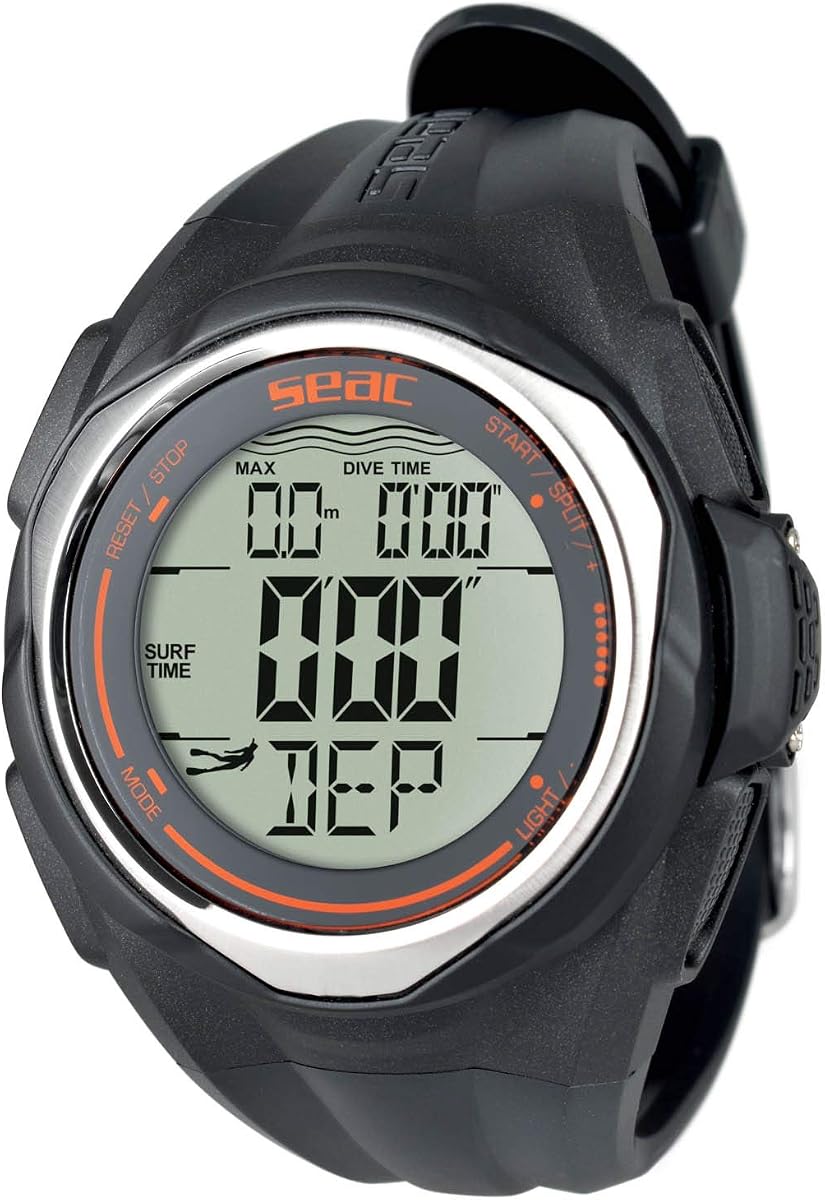
The SEAC Partner is a simple and affordable freediving computer with stopwatch and countdown functions. It records up to 99 dives and features a backlit display.
We may earn a commission when you buy through this link, at no additional cost to you.
Its water resistance reaches 100 meters and it uses standard batteries for easy swaps. While it lacks connectivity it delivers core freediving tracking.
It is limited to freediving without app sync but offers essential tools. Best for entry-level freedivers.
Choose this for basic breath-hold tracking on a budget. It covers fundamentals well.
Stopwatch and countdown functions track sessions effectively without needing complex menus.
Low cost and basic features make it accessible for those new to freediving.
We may earn a commission when you buy through this link, at no additional cost to you.
Selecting the right dive computer for beginners depends on several key factors that affect safety usability and long-term value.
A clear high-contrast screen is vital for reading depth time and decompression limits quickly underwater. Beginners benefit from large digits and backlighting so they can stay focused on their environment instead of squinting.
Look for color or backlit displays with adjustable brightness to ensure visibility in all light conditions.
Simplicity matters for new divers. A single or two-button interface makes menus easy to navigate while wearing gloves and reduces mistakes under water.
Avoid complex multi-button setups until you gain experience and require advanced customization.
Most beginners start with air but nitrox support allows longer dives with better decompression profiles. Models using Buhlmann or RGBM algorithms provide safer and more accurate calculations.
Ensure the computer supports at least single gas nitrox to accommodate your training progression.
Battery life affects how often you need to charge or replace power. Rechargeable lithium batteries offer convenience while user-replaceable cells simplify long trips.
Check estimated dive time per charge or battery swap to avoid surprises during travel.
Bluetooth or USB transfer helps log dives and analyze trends. Beginners can track progress share logs and plan future dives more effectively with app support.
Prioritize models with smartphone apps if you value detailed records and easy sharing.
Choose a computer rated for at least 100 meters depth to cover most recreational dives. Rugged housing and metal buttons protect against bumps and wear.
Ensure the device meets ISO standards and carries a strong warranty for peace of mind.
Built-in compasses and surface GPS add convenience for navigation. Beginners can track direction and entry points without extra gear.
Decide if you need these extras based on your local diving conditions and goals.
A wrist-mounted computer should feel comfortable and fit securely over a wetsuit or glove. Larger screens are readable but bulkier watches may snag on gear.
Try on models or check dimensions to ensure a snug fit.
Before each dive check the battery and power status to avoid surprises. Ensure the display is clear and all settings match your gas mix and dive plan.
Wear the device securely over your wetsuit sleeve and adjust straps so it sits comfortably without slipping. Keep it visible on your wrist during the dive.
After diving rinse with fresh water and dry thoroughly. Store in a cool dry place and charge or replace the battery as needed to keep it ready.
The Shearwater Research Peregrine ranks top overall for its intuitive two-button interface and long battery life. Beginners appreciate its simple menus and durable build that ensures reliable performance on every dive.
Yes most certification courses require you to carry a dive computer to track depth time and decompression limits safely. It acts as your primary tool for monitoring dive profiles.
Single button models offer maximum simplicity while two button ones allow faster access to functions. Choose based on how complex features you need now versus ease of use.
Rechargeable models provide 20 to 30 hours of dive time per charge while replaceable batteries may last several months. It depends on usage and screen brightness settings.
Yes most beginner-friendly models support air and nitrox mixtures up to 50 percent oxygen. Always verify your training and the computer settings before diving.
Some models like the Cressi Donatello include freediving gauge modes while others focus solely on scuba. Choose based on your primary activity type.
Used computers can be safe if tested and calibrated properly. Check the battery history ensure all sensors work and reset settings before use.
Update firmware and settings regularly especially before new trips or after major dives. This ensures accuracy and compatibility with dive apps and logbooks.
The Shearwater Research Peregrine CRESSI Leonardo 2.0 G2 and Garmin Descent™ X30 lead our picks for their balance of simplicity features and reliability.
Prioritize readability interface simplicity and battery life when choosing. Your comfort and safety underwater matter more than extra specs.
Prices and availability change often so review current listings and check local stores before purchasing your next dive computer.