
Dissolved Oxygen Meter with ATC
4.3Editor score
Extended measurement range
Auto temperature compensation
Clear digital display
This guide compares ten top dissolved oxygen sensors for aquaculture, hydroponics, and environmental monitoring to help you find the perfect water quality tool.
Dissolved oxygen sensors are essential tools for maintaining healthy water environments in aquaculture, hydroponics, and environmental monitoring. Accurate measurements ensure that aquatic life thrives and plants receive adequate oxygen for root development.
We have carefully evaluated ten leading models based on their accuracy, ease of use, durability, and suitability for various applications. Each product offers unique features designed to meet the specific needs of hobbyists and professionals alike.
Each pick highlights key strengths and ideal use cases to guide your decision. Keep in mind that availability and pricing may vary over time, so check current listings before making a final purchase decision for your project.
4.3Editor score
4.4Editor score

4.8Editor score
This side-by-side comparison highlights the key specifications and capabilities of each sensor to help you quickly identify the model that best fits your specific water quality monitoring needs.



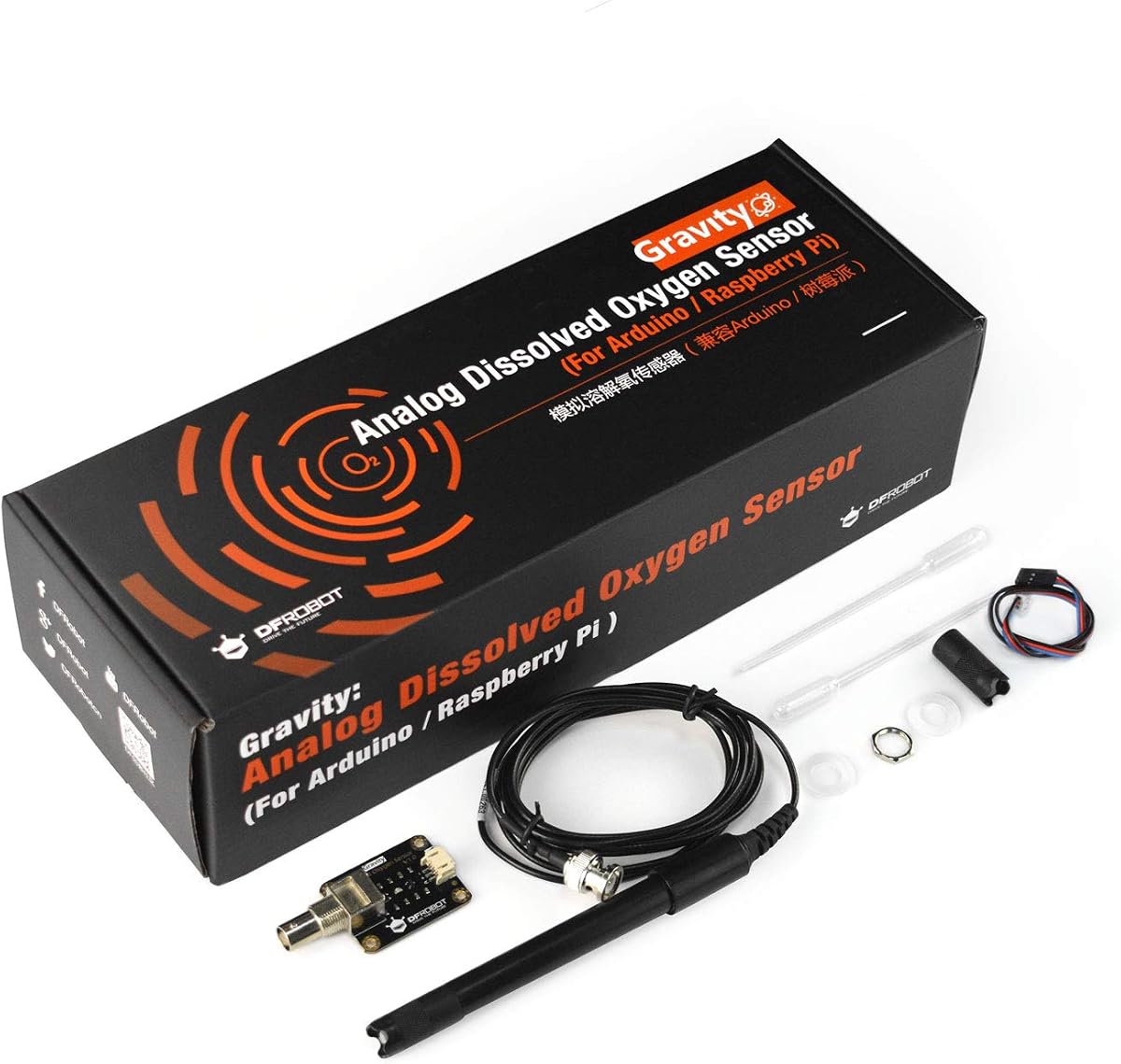
The Gravity Analog Kit stands out for its immediate readiness and ease of integration with popular microcontrollers. With a 4.4 rating it offers reliable performance for hobbyists needing quick water quality checks without complex setup.
We may earn a commission when you buy through this link, at no additional cost to you.
Its galvanic probe eliminates the need for polarization time allowing measurements at any moment. The built-in hardware filtering ensures stable signals reducing software processing needs while the spare membrane cap extends operational life.
While the filling solution is not included due to shipping regulations it is simple to prepare. Users must source NaOH locally which adds a small step to initial setup but ensures long-term reliability.
This kit is ideal for IoT projects and aquaculture monitoring where power efficiency matters. Its compatibility with ESP32 and Raspberry Pi makes it a top choice for automated water quality systems.
The galvanic design allows the sensor to remain active at all times enabling instant measurements whenever needed without waiting for stabilization.
Supports 3.3V to 5V inputs and standard Gravity interfaces making it seamless to connect with Arduino and other microcontroller boards for automation.
We may earn a commission when you buy through this link, at no additional cost to you.
The YSI 605202 Pro Series sensor is a robust choice for professionals who need a dependable galvanic probe. With a 4.8 rating it is known for durability and ease of maintenance in challenging environments.
We may earn a commission when you buy through this link, at no additional cost to you.
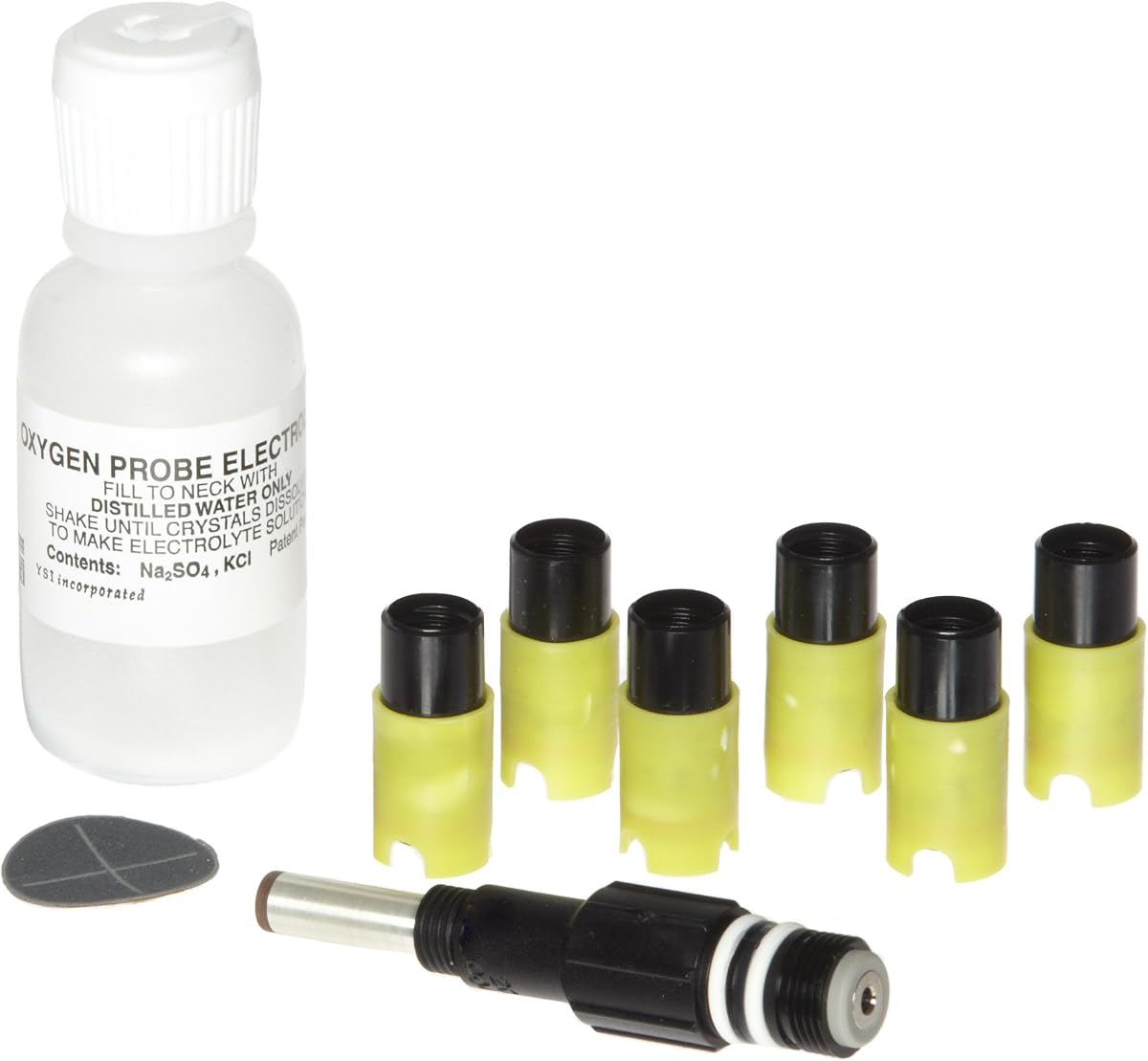
Its user-replaceable design means quick swaps without tools. The convenient screw-on cap membranes simplify changes and the package includes multiple caps and solution to minimize downtime during maintenance tasks.
While it lacks a built-in display requiring connection to a compatible meter the sensor itself performs consistently. This makes it suitable for existing setups where the meter is already standardized.
Aquaculture managers and environmental scientists will appreciate its reliability. The high rating reflects trust in its long-term accuracy and the simplicity of keeping it operational with minimal effort.
Screw-on membrane caps allow users to replace consumables quickly without needing specialized tools reducing downtime in field operations.
Built for professional use this sensor maintains accuracy over time even in demanding conditions common in industrial or field water monitoring.
We may earn a commission when you buy through this link, at no additional cost to you.
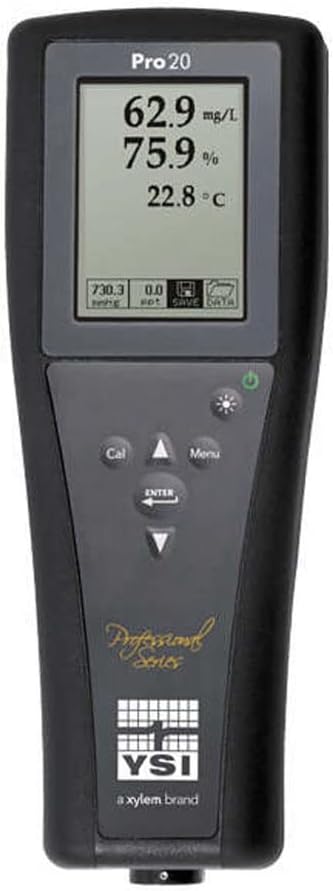
The YSI 6050020 Pro20 handheld meter is designed for field technicians who need quick and accurate readings on the go. With a 4.4 rating it balances functionality with portability for diverse water testing scenarios.
We may earn a commission when you buy through this link, at no additional cost to you.
One Touch Cal simplifies calibration to a single button press taking only seconds. It also stores 50 data sets internally eliminating the need to manually record results during extensive field surveys.
The graphic backlit display ensures visibility in low light conditions while the keypad glows for ease of use. This attention to user interface details enhances efficiency during nighttime or early morning inspections.
Environmental consultants and aquaculture workers will find this meter invaluable. Its automatic barometric pressure compensation ensures readings remain accurate despite changes in altitude or weather conditions.
One Touch Cal reduces setup time significantly allowing users to focus more on collecting data than configuring the device.
Built-in storage and backlighting support uninterrupted workflow in remote locations where recording tools may be unavailable.
We may earn a commission when you buy through this link, at no additional cost to you.
The YSI 6900 ProDSS optical sensor represents the cutting edge of dissolved oxygen monitoring technology. While individual ratings are not available its optical design promises high accuracy with minimal maintenance requirements.
We may earn a commission when you buy through this link, at no additional cost to you.
Optical sensors use fluorescence to measure oxygen levels eliminating the need for frequent membrane changes. This technology reduces long-term costs and ensures consistent readings even in dirty or turbulent water conditions.
Designed for the ProDSS platform it integrates seamlessly with multi-parameter systems. This makes it a powerful choice for facilities needing detailed water quality profiles beyond just oxygen measurements.
Industrial water treatment and research labs will benefit from its precision. The lack of consumables like membranes means fewer interruptions in continuous monitoring processes and reduced operational overhead.
Uses light-based detection to avoid membrane fouling ensuring stable measurements without frequent physical replacements.
Engineered for the ProDSS ecosystem allowing users to expand measurements to pH, conductivity, and temperature easily.
We may earn a commission when you buy through this link, at no additional cost to you.
The DO Meter ATC offers exceptional value for those needing a broad measurement range without a high price tag. With a 4.3 rating it delivers solid performance for aquariums and small ponds effectively.
We may earn a commission when you buy through this link, at no additional cost to you.
Its 0-40mg/L range exceeds standard 0-20mg/L meters making it versatile for industrial and high oxygen environments. The included calibration powder and electrode fluid ensure you can start using it immediately after purchase.
Automatic Temperature Compensation adjusts readings based on water temperature ensuring accuracy across different seasons. The clear LCD display is easy to read though the lack of backlight may limit use in dark areas.
Small business owners and hobbyists will find this meter practical. It provides all necessary tools for basic water quality checks without overcomplicating the user experience.
Measures up to 40mg/L allowing for testing in supersaturated conditions where standard meters might max out.
Includes all necessary fluids and powders so you can calibrate properly right out of the box.
We may earn a commission when you buy through this link, at no additional cost to you.
The Pond Test Kit is tailored for maintaining healthy aquatic life in home water gardens and fish tanks. With a 3.6 rating it serves well for casual monitoring where budget is a priority.
We may earn a commission when you buy through this link, at no additional cost to you.
Its 3.6-foot cable allows easy reach into ponds without needing to dip your hands into the water. The two-point calibration ensures reasonable accuracy for keeping dissolved oxygen above critical levels for fish.
The backlit display is a nice touch for evening checks when oxygen levels might drop. Included electrolyte solutions and membranes simplify maintenance keeping the kit ready for frequent use.
Fish keepers and garden pond owners will appreciate this tool. While it may not offer professional-grade precision it provides sufficient data to prevent oxygen-related issues in small ecosystems.
Optimized for small water bodies ensuring quick checks without disrupting fish or water flow patterns.
A 3.6-foot cable allows safe sampling from the edge of larger tanks without submerging the unit.
We may earn a commission when you buy through this link, at no additional cost to you.
The DO Meter with Cable provides advanced features for users requiring deeper water sampling and multi-parameter insights. With a 4.0 rating it offers a comprehensive approach to water quality analysis.
We may earn a commission when you buy through this link, at no additional cost to you.
The 11.48-foot cable allows sampling at significant depths without lifting the meter. This is particularly useful for deep ponds or industrial tanks where surface readings may not reflect bottom conditions.
It tracks salinity, barometric pressure, and temperature alongside oxygen ensuring a full environmental picture. The IRDA port supports data transfer to computers reducing manual entry errors during long studies.
Researchers and industrial testers will find its versatility valuable. While heavier than basic models the added functionality justifies the weight for rigorous testing protocols.
The extra long cable enables accurate readings at depth ensuring you capture true water conditions.
99 memory slots and IRDA port streamline data collection keeping records organized without paper logs.
We may earn a commission when you buy through this link, at no additional cost to you.
The Milwaukee MW600 is an economical choice for classrooms and small labs needing reliable oxygen checks. With a 4.2 rating it offers a straightforward interface for teaching water quality concepts.
We may earn a commission when you buy through this link, at no additional cost to you.
Its 0.1 mg/L resolution provides enough detail for most educational and light industrial applications. The two-point manual calibration ensures accuracy is maintained regularly without relying on automatic algorithms.
The polarographic probe with a three-meter cable suits sampling in tanks or tanks where reach is needed. The LED display remains visible in various lighting conditions enhancing usability during lessons.
Teachers and small facility managers will find this model practical. Its simplicity reduces the learning curve while still delivering trustworthy data for decision making.
Simple operation makes it ideal for students learning about water quality and environmental science concepts.
Requires manual two-point calibration ensuring users understand the process of setting accurate reference points.
We may earn a commission when you buy through this link, at no additional cost to you.
The Apera Instruments AI480 kit combines advanced optical technology with user-friendly features for a premium testing experience. With a 4.8 rating it is a top choice for professionals seeking reliability and longevity.
We may earn a commission when you buy through this link, at no additional cost to you.
Optical sensors eliminate the need for electrolyte refills or frequent membrane changes. This convenience means less downtime and more time focusing on actual water quality data collection.
IP67 waterproofing protects the meter against dust and water jets making it suitable for harsh field environments. The ten-foot optical probe reaches deeper samples without sacrificing accuracy or response time.
Industrial and environmental professionals will appreciate its robustness. The included carrying case keeps all components organized ensuring the kit is ready for deployment whenever needed.
Fluorescence-based measurement provides stable readings without consumables reducing long term ownership costs.
IP67 rating ensures the meter survives splashes and dust exposure in tough outdoor testing conditions.
We may earn a commission when you buy through this link, at no additional cost to you.
The YSI 605203 Polarographic sensor is designed for precision tasks in laboratory settings. With a 4.6 rating it offers trusted performance for researchers requiring stable and consistent measurements.
We may earn a commission when you buy through this link, at no additional cost to you.
Its polarographic technology ensures accurate oxygen detection when paired with a compatible meter. The compact packaging makes it easy to store and manage in busy lab environments where space is limited.
Built as a Pro Series component it adheres to high quality standards for industrial and academic use. The standardized interface allows for quick integration into existing data logging or control systems.
Lab technicians and researchers will find it dependable for routine analysis. Its design prioritizes accuracy and durability ensuring that experiments and compliance checks are based on reliable data.
Uses traditional polarography methods known for precise oxygen detection in controlled laboratory environments.
Packaged as a dedicated lab supply ensuring it meets the storage and handling requirements of scientific facilities.
We may earn a commission when you buy through this link, at no additional cost to you.
Selecting the right dissolved oxygen sensor depends on your specific application and budget. Understanding key factors will help you make a decision that meets your monitoring needs.
The two main sensor types are galvanic/polarographic and optical. Galvanic sensors use membranes and electrolytes which are affordable but require regular maintenance. Optical sensors use fluorescence and have no membranes requiring less upkeep but costing more upfront.
Choose galvanic for budget-friendly needs and optical for low maintenance and high accuracy.
Standard meters measure up to 20mg/L which covers most freshwater environments. However, industrial or highly aerated systems may need ranges up to 40mg/L to capture higher oxygen levels effectively.
Ensure the range matches your maximum expected dissolved oxygen levels to avoid inaccurate readings.
If you plan to automate your monitoring system, check for compatibility with microcontrollers like Arduino or ESP32. Sensors with analog or digital outputs can be directly connected to your IoT platform.
For manual use, standalone handheld meters with clear displays are more practical.
Field work often involves exposure to moisture and dust. Look for devices with IP ratings such as IP67 to ensure they survive splashes and harsh outdoor conditions during transport.
Higher durability ratings protect your investment and ensure consistent performance over time.
Regular calibration is necessary to maintain accuracy. Models with one-touch calibration or automatic pressure compensation reduce setup time and user error compared to complex manual calibration procedures.
Prioritize meters with automated features if you conduct frequent testing.
For research or compliance reporting, internal memory that stores multiple data sets is valuable. USB, IRDA, or wireless connectivity helps you analyze trends without manual transcription.
Choose devices with memory features if you track changes over weeks or months.
Consumables like membranes and electrolytes must be replaced regularly. Optical sensors eliminate these needs but cost more initially. Factor in long-term replacement costs when budgeting for the sensor.
Select a model with low maintenance requirements if you want to reduce operational overhead.
Water temperature and barometric pressure affect dissolved oxygen readings. Ensure your sensor has Automatic Temperature Compensation (ATC) and pressure correction to provide accurate results across seasons.
Always verify compensation features to avoid skewed measurements during temperature fluctuations.
Before first use, ensure the sensor is filled with the correct electrolyte solution or prepared according to manufacturer guidelines. This step is crucial for galvanic sensors to establish an electrical path for measurements.
Calibrate the sensor regularly using zero-oxygen and 100% saturation solutions. Follow the device's calibration procedure carefully to ensure that your readings align with standard conditions.
After each use, rinse the probe with clean water and store it in a moist environment or storage solution to prevent the membrane from drying out and failing over time.
Sensors drift over time due to environmental changes and component aging. Calibration against known standards ensures the device interprets voltage or light signals correctly to display accurate concentration values.
Galvanic sensors rely on chemical reactions using membranes and electrolytes which need periodic replacement. Optical sensors measure fluorescence quenching and have no consumables making them easier to maintain long term.
Membrane caps should typically be replaced every two to four weeks depending on usage and water conditions. Frequent fouling or inaccurate readings indicate it is time for a fresh cap.
Many models are designed for freshwater. Check specifications for salinity compensation capabilities if you plan to test marine environments. Some meters allow inputting salinity values to correct readings accurately.
A dried out sensor may give erratic readings or fail to respond. Rehydrating it in storage solution for several hours might restore function, but severe drying often requires a new membrane.
Oxygen solubility varies with temperature, so a warm sample will hold less oxygen than a cold one. Compensation ensures the device adjusts the reading to reflect true dissolved oxygen levels.
Open-source libraries and example code are usually available for popular microcontrollers. You can customize the code to log data or set alarms based on your project requirements.
Store the probe tip in a humid environment such as a small container with a damp sponge or a storage solution bottle. Never let the sensing element dry out completely during storage.
The Gravity Analog Kit and Apera Instruments AI480 offer distinct advantages for hobbyists and professionals respectively. Whether you prefer optical precision or affordable galvanic reliability, the right tool depends on your goals.
Prioritize durability and ease of calibration to ensure consistent data. Investing in a sensor with automatic features reduces the risk of human error during daily monitoring tasks.
Always check current availability and compatibility before purchasing. Technology evolves quickly so verifying that the model supports your existing equipment ensures a smooth setup process.