
Zoom H1 Essential Recorder
4.0Editor score
Affordable price point
USB-C microphone mode
Compact portable design
This guide compares the top audio recorder for streaming music options, evaluating sound quality, connectivity, and features to help you choose the ideal
Finding the right audio recorder for streaming music requires balancing sound quality, portability, and connectivity. Whether you are a musician, podcaster, or content creator, capturing crisp audio is essential for engaging your audience and preserving your creative work.
We have analyzed ten top-rated recorders based on user feedback, technical specifications, and real-world performance. Our comparison covers everything from budget-friendly handheld devices to professional multi-track recorders suitable for complex setups.
Each pick highlights key strengths and ideal use cases to help you make an informed decision. Keep in mind that availability and pricing may change, so verify current details before purchasing your next recording device.
4.0Editor score
4.4Editor score

4.6Editor score
The following table provides a side-by-side overview of the ten best audio recorders for streaming music. Compare key specifications, ratings, and features to find the device that matches your specific recording needs.



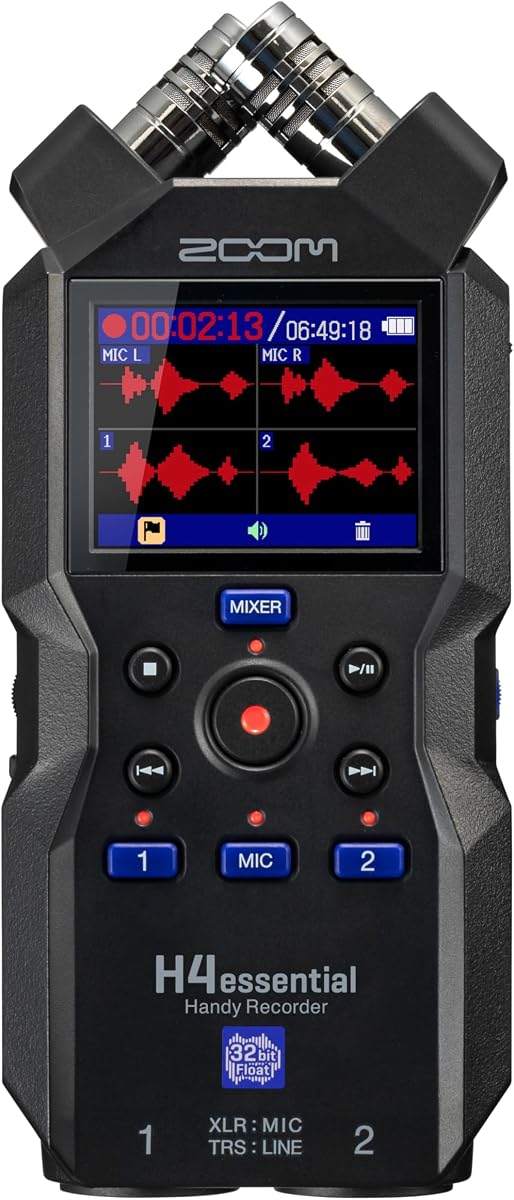
The Zoom H4 Essential stands out as a top choice for creators who need reliable 4-track recording capabilities. With a strong 4.4 rating, it balances professional features with user-friendly controls that make capturing high-quality audio straightforward.
We may earn a commission when you buy through this link, at no additional cost to you.
Its dual XLR/TRS inputs allow you to connect external microphones or instruments directly, while USB-C connectivity enables seamless streaming to your computer or mobile device. The built-in stereo microphones are sufficient for quick field recordings without extra gear.
While the menu system offers helpful guidance, some users may find the initial setup slightly complex compared to simpler devices. However, this trade-off is acceptable given the device offers recording power and flexibility for various projects.
This recorder is ideal for podcasters and musicians who need a versatile tool for live sessions or interviews. If you value a balanced feature set and clear audio capture, the H4 Essential deserves serious consideration for your streaming needs.
Connect a wide range of microphones and instruments using the versatile XLR/TRS combo inputs.
Use USB-C to stream directly to your device while simultaneously backing up to an SD card.
We may earn a commission when you buy through this link, at no additional cost to you.
The Zoom H1 XLR delivers premium 32-bit float recording quality suitable for demanding professional environments. Its 4.5 rating reflects excellent performance in capturing detailed sound for interviews, music, and everyday recordings with minimal distortion.
We may earn a commission when you buy through this link, at no additional cost to you.
Two XLR/TRS inputs provide versatility for connecting professional microphones or instruments, while the OLED waveform display ensures you can monitor audio levels at a glance. This visual feedback prevents clipping during loud live performances or unexpected audio spikes.
Support for SDXC cards up to 1TB means you rarely run out of space during long sessions, though you must purchase the card separately. The added weight is manageable for handheld use but worth noting for travel purposes.
If you prioritize professional sound quality and reliable level monitoring, the H1 XLR is a top-tier choice. It suits filmmakers and musicians who need robust features without the bulk of larger multi-track recorders.
Capture 32-bit float audio that preserves dynamic range and prevents clipping regardless of volume levels.
The OLED display shows real-time waveforms so you always know your levels at a glance.
We may earn a commission when you buy through this link, at no additional cost to you.
The Zoom H1 Essential offers an accessible entry point for creators needing better audio than a phone can provide. With a 4.0 rating, it delivers clear stereo sound suitable for tutorials, voiceovers, and music capture without breaking the bank.
We may earn a commission when you buy through this link, at no additional cost to you.
USB-C connectivity allows you to use the device as a high-quality microphone for livestreams and video calls, adding significant value. The compact design makes it easy to carry everywhere, ensuring you never miss a moment of inspiration.
While it lacks advanced manual controls found in premium models, this simplicity benefits beginners who want a plug-and-play solution. The trade-off is slightly less flexibility for complex setups, but adequate for most standard recording needs.
This unit is perfect for students, vloggers, or anyone starting out in content creation. If you want a reliable, portable recorder that works instantly with your computer, the H1 Essential is an excellent budget-friendly pick.
Connect via USB-C to start recording instantly without complex setup or driver installation.
Its lightweight build ensures you can carry it in your pocket for on-the-go audio capture.
We may earn a commission when you buy through this link, at no additional cost to you.
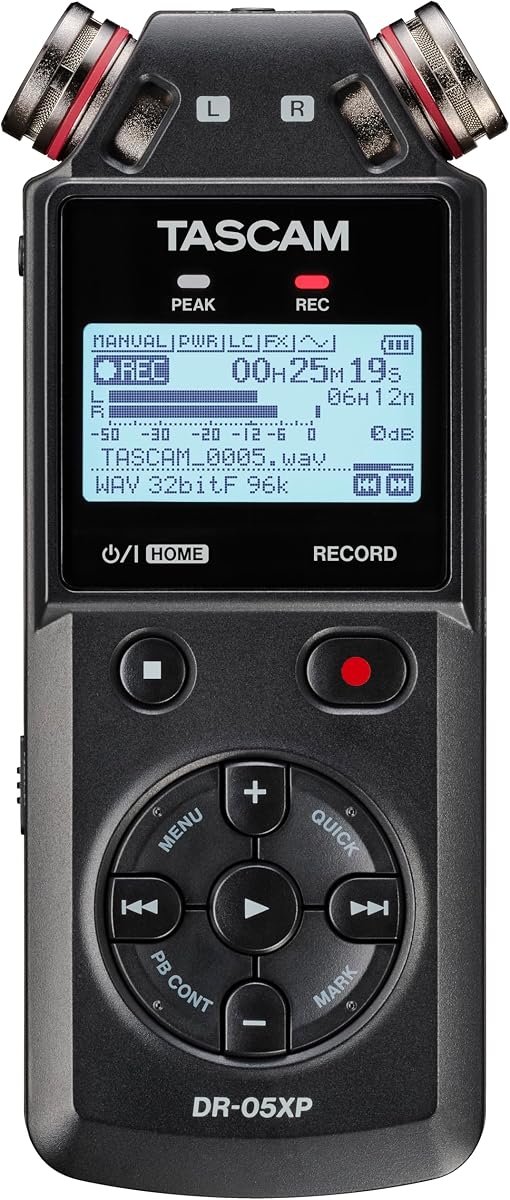
The TASCAM DR-05XP provides robust performance with an impressive battery life that supports extended recording sessions. Rated at 4.2, it handles various formats and modes comfortably, making it a reliable tool for field recording and meetings.
We may earn a commission when you buy through this link, at no additional cost to you.
Its 32-bit float capability ensures that even unexpected loud sounds are captured cleanly without clipping, while USB-C integration lets you use it as an audio interface for computers. The omnidirectional microphones are sensitive enough to pick up ambient details clearly.
Battery operation offers true portability, but you should note that batteries and SD cards are not included in the package. The basic control layout is straightforward, which may feel limiting if you need granular adjustments during live recording.
For those who need a long-lasting, portable recorder that can handle loud environments, the DR-05XP is a solid contender. It is particularly suitable for travelers or professionals who need to rely on battery power throughout the day.
Get up to 17.5 hours of continuous recording on just two AA batteries for uninterrupted sessions.
Switch seamlessly between standalone recording and using the unit as a USB-C audio interface.
We may earn a commission when you buy through this link, at no additional cost to you.
The Zoom R4 stands out for musicians who want to build songs directly on the device without a computer. With a 4.5 rating, its multi-track capabilities combined with built-in rhythms make it a powerful creative tool for jam sessions and production.
We may earn a commission when you buy through this link, at no additional cost to you.
You can record up to four tracks simultaneously and bounce them to free up channels for more layers. The 32-bit float recording ensures that even loud peaks do not distort, giving you freedom to focus on performance rather than gain settings.
Relying on four AA batteries or USB-C means you have flexibility in power sources, but carrying extra batteries is wise for long sessions. The drum patterns are a nice addition for inspiration, though they may feel rigid for complex styles.
If you write music on the go and need a portable studio solution, the R4 is highly recommended. It bridges the gap between a simple recorder and a full production environment for independent artists.
Capture up to four tracks and bounce them to add more layers while keeping the mix intact.
Jam along with over eighty drum patterns that cover various genres to keep your timing tight.
We may earn a commission when you buy through this link, at no additional cost to you.
The Zoom H6studio offers professional 8-track recording with a renewed status that can save money while maintaining performance. Its high user satisfaction indicates reliability in handling complex setups for filmmakers and musicians needing multiple input channels.
We may earn a commission when you buy through this link, at no additional cost to you.
Four XLR/TRS combo jacks allow for substantial microphone arrays, while the full-color LCD simplifies navigation during live recording. The included XY mic capsule captures rich stereo sound, making it versatile for both ambient and direct source recording.
As a renewed product, it might show minor cosmetic wear but should function like new. The weight and size make it less ideal for discreet field work, but perfect for controlled environments like studios or interviews.
For those needing multi-track power without buying a brand-new unit, the H6studio is a strong choice. It suits professionals who prioritize channel count and clarity over ultra-portability.
Record up to eight tracks simultaneously to handle complex mixes without external interfaces.
The full-color display makes navigating menus and monitoring levels intuitive during live sessions.
We may earn a commission when you buy through this link, at no additional cost to you.
The Zoom H2 Essential is designed with inclusivity in mind, offering audio menu navigation that assists visually impaired users. With a 4.4 rating, it provides flexible recording patterns and Bluetooth synchronization for multi-unit setups that ensure perfect alignment.
We may earn a commission when you buy through this link, at no additional cost to you.
Its three microphones support nine selectable patterns, giving you control over the stereo width and direction of your recordings. The ability to function as a high-quality USB microphone adds value for streaming and remote meetings without extra hardware.
Wireless synchronization requires some setup to link multiple units via Bluetooth timecode, but this is a powerful feature for immersive audio capture. The clip-free recording at any volume level removes anxiety about sudden loud noises ruining a take.
This recorder is perfect for journalists or creators who need versatile capture options and accessibility features. If you value inclusivity and advanced recording patterns, the H2 Essential offers a unique combination of benefits.
Enjoy full audio accessibility with spoken menu guidance in seven languages for visually impaired users.
Wirelessly sync multiple units via Bluetooth timecode for perfectly aligned multi-point recordings.
We may earn a commission when you buy through this link, at no additional cost to you.
The Zoom F3 is built for professional environments where reliability is non-negotiable, earning a 4.6 rating for consistent performance. Its ultra-low-noise preamps ensure clean audio even in unpredictable settings, making it a trusted choice for filmmakers on the move.
We may earn a commission when you buy through this link, at no additional cost to you.
Dual locking XLR inputs keep connections secure when the recorder is mounted in rigs or hard-to-reach places. The 32-bit float recording prevents any loss of information during loud peaks, allowing you to focus on the scene rather than technical adjustments.
Flexible power options mean you can keep recording with a battery bank or internal batteries, reducing interruptions during long shoots. While the price point is higher, the peace of mind regarding audio integrity justifies the investment for professional work.
If you work in field production or need a recorder that handles complex rigs without worry, the F3 is ideal. It prioritizes security and cleanliness of sound over flashy features.
Locking XLR inputs ensure microphones stay connected securely even when the unit is out of reach.
Ultra-low-noise preamps deliver clean audio consistent even when environmental noise levels are high.
We may earn a commission when you buy through this link, at no additional cost to you.
The Zoom H5 Studio combines flagship sound quality with hands-on control, featuring large stereo microphones and dedicated gain knobs. With a 4.6 rating, it delivers professional results for those who need precise adjustments and high-resolution multi-track capabilities.
We may earn a commission when you buy through this link, at no additional cost to you.
The 19.4mm XY capsule captures a wide dynamic range, making it suitable for capturing everything from quiet dialogue to loud performances. Dedicate knobs allow you to adjust levels quickly and accurately, which is vital in changing audio environments.
Support for 192kHz recording offers exceptional resolution for studio-quality outputs, though it requires more storage space. While the device is portable, the setup can be complex for beginners compared to simpler models.
If you need high-resolution audio and precise physical controls, the H5 Studio is a versatile choice. It suits producers and filmmakers who require both quality and flexibility in their recording chain.
Record at up to 192kHz in WAV format for professional-quality results with extended detail.
Adjust levels quickly with dedicated gain knobs for an intuitive and responsive recording experience.
We may earn a commission when you buy through this link, at no additional cost to you.
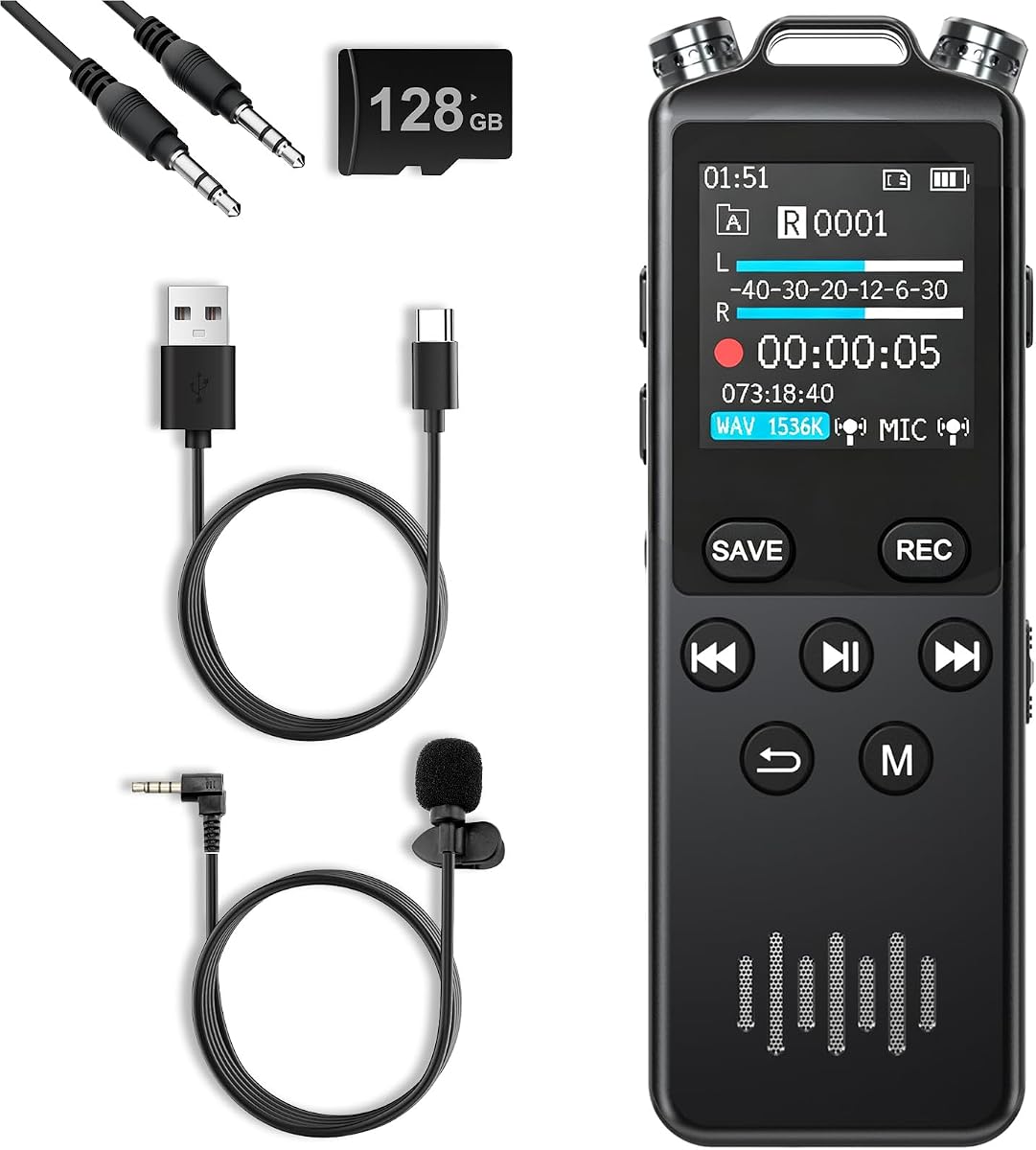
This 160GB Voice Recorder offers incredible value with massive storage and battery life at a budget-friendly price. With a perfect 5.0 rating, it serves well for long lectures, meetings, or journaling where capacity is more important than professional audio fidelity.
We may earn a commission when you buy through this link, at no additional cost to you.
It supports 1536Kbps stereo recording with noise reduction to ensure clear playback. The one-click record function makes it extremely easy to use, allowing you to capture thoughts instantly without navigating menus.
Password protection keeps your files private, making it suitable for sensitive business meetings. While it lacks advanced audio inputs found in professional gear, its simplicity and capacity are its main strengths.
If you need a reliable tool for capturing meetings or long sessions on a budget, this device is a top pick. It prioritizes storage efficiency and ease of use over high-end sound processing.
Hold up to 11500 hours of recordings with 160GB internal and external storage capacity.
Start recording instantly with a one-click button designed for effortless and fast capturing.
We may earn a commission when you buy through this link, at no additional cost to you.
Selecting the right audio recorder involves evaluating several key factors that impact usability and sound quality.
For streaming music, USB-C connectivity is crucial as it allows direct connection to computers and mobile devices. Look for recorders that function as audio interfaces to enable live streaming without extra hardware.
Prioritize USB-C streaming capabilities for seamless integration with your workflow.
32-bit float recording is becoming standard as it prevents clipping and ensures clean captures regardless of volume. This format offers more flexibility during post-production when levels need adjustment.
Choose 32-bit float to avoid distorted audio and gain flexibility in editing.
Check for XLR or combo inputs if you plan to use external microphones. Instruments or mixers. Some devices only have built-in mics, which limits professional use.
Ensure XLR inputs are present for external mic compatibility and professional setups.
Long recording sessions require robust battery performance. Devices running on AA batteries or USB power banks offer better reliability than those with non-removable internal batteries.
Opt for long-lasting batteries to avoid interruptions during live events or field work.
A lightweight and compact design ensures you can carry the recorder everywhere. Heavier units are suitable for studios but less practical for travel or spontaneous recording.
Choose a lightweight design to maintain mobility and ease of use on the go.
High-resolution audio files take up significant space. Ensure the device supports SDXC cards up to 1TB to accommodate large libraries of recordings without swapping cards.
Select SDXC support up to 1TB for ample space during extended recording sessions.
Built-in noise reduction helps maintain clarity in noisy environments. Look for dual microphones and advanced algorithms that filter out background sounds effectively.
Look for noise reduction technology to keep background noise minimal in the final recording.
User-friendly interfaces with clear displays or audio menus reduce the learning curve. Beginners benefit from guided setups that allow immediate recording without complex configuration.
Select devices with intuitive displays or audio menus for a smoother user experience.
Always charge your batteries or ensure fresh AA cells are installed before starting a session. Check the device's storage capacity and insert an SD card if needed. Set the input levels using the gain knobs or auto-gain features to ensure signals are clear.
Use a pop filter or windscreen when recording outdoors to minimize wind noise. Monitor levels via the OLED display or headphones to prevent clipping. If streaming, connect the USB cable to your computer and select the recorder as your input device.
After recording, back up your files to a computer or cloud storage. Store the device in a cool, dry place to avoid damage. Avoid dropping the recorder and handle it gently to ensure longevity of the internal components.
Yes, many modern recorders feature USB-C that functions as an audio interface. This allows you to connect directly to your computer or smartphone and use the device as a microphone for streaming platforms like YouTube or Twitch.
32-bit float recording captures audio with a dynamic range that prevents clipping even if levels are too high. It allows you to adjust volume and levels in post-production without quality loss, making it ideal for unpredictable environments.
Not necessarily. Many handheld recorders have built-in stereo microphones that are sufficient for voice and basic music. However, external microphones provide better sound quality and noise rejection for professional results.
If you connect microphones or instruments, choose a recorder with XLR/TRS combo inputs. For simple voice recording, built-in microphones are sufficient. Always check if the device supports phantom power if using condenser mics.
You should check for firmware updates annually or when encountering bugs. Updates often improve battery life, connectivity, and audio quality. Always back up your files before updating to avoid data loss.
WAV or MP3 are common choices. WAV offers higher quality suitable for professional production, while MP3 is smaller and easier to stream. Choose based on your storage and editing needs.
Yes, most modern recorders with USB-C support smartphones via adapters. You can record audio directly to your phone for social media content or use it as a microphone for live streaming.
Yes, renewed devices often undergo rigorous testing to meet original specifications. They typically come with warranties that ensure they function like new. Always check the seller ratings before purchasing.
We explored ten top audio recorders ranging from budget-friendly options to professional field units. Each device offers unique strengths for capturing high-quality audio tailored to different needs and budgets.
Prioritize USB-C connectivity and 32-bit float recording for the best streaming results. Ensure the device fits your workflow and provides reliable battery life for uninterrupted sessions.
Prices and availability can change quickly so always verify the latest details before purchase. Investing in the right tool will significantly enhance the quality of your music and content streams.