
AMD Ryzen 5 9600X
4.8Editor score
6 cores efficient for daily work
Zen 5 architecture support
PCIe 5.0 compatibility
Find the best CPU for Excel and Data Analysis with our expert guide comparing top processors for speed, efficiency, and handling large spreadsheets.
Choosing the right processor is critical for anyone working heavily with spreadsheets and data sets. Modern applications demand significant computational power to handle complex calculations efficiently.
We evaluated ten top-rated desktop CPUs based on core counts, clock speeds, and cache sizes. Our analysis focuses on real-world performance for analytical tasks.
Each pick highlights specific strengths for different user needs and budgets. Prices and availability change frequently so verify current details before purchasing your new system.
4.8Editor score

4.6Editor score

4.8Editor score
This table provides a side-by-side comparison of all ten processors included in our guide to help you quickly identify the right fit for your needs.


The Intel Core Ultra 9 285K stands out as the top choice for power users dealing with extensive data analysis. It features a massive core count and high boost clocks that ensure smooth operation even under heavy loads.
We may earn a commission when you buy through this link, at no additional cost to you.
Its hybrid architecture distributes workloads effectively between performance and efficiency cores. This design helps maintain high speeds during complex spreadsheet calculations while keeping background tasks quiet and cool.
While it demands a new chipset and does not include a cooler, the performance gains are worth the investment for professionals. The unlocked multiplier also allows enthusiasts to fine-tune speeds for specific analytical needs.
If you need the absolute best performance for Excel and data tasks this processor is the clear recommendation. It delivers the speed and efficiency required for modern computational workloads.
The hybrid architecture ensures critical analytical tasks get priority on performance cores for maximum speed.
Compatibility with the Intel 800 series chipset ensures support for the latest memory and I/O standards.
We may earn a commission when you buy through this link, at no additional cost to you.
The AMD Ryzen 7 9800X3D brings unique 3D V-Cache technology that benefits latency-sensitive tasks. While marketed for gaming its large cache makes it surprisingly effective for complex data crunching and frequent memory access patterns.
We may earn a commission when you buy through this link, at no additional cost to you.
With 8 cores and 16 threads it handles multitasking with ease. The Zen 5 architecture provides a significant uplift in instructions per clock which translates to faster execution of spreadsheet formulas and data transformations.
One trade-off is that its design prioritizes single-thread performance over sheer core count. However for many analysts this speed is more valuable than having extra cores that sit idle during standard Excel usage.
This processor is ideal for users who want a blend of high-end performance and efficiency. Its cache structure minimizes bottlenecks during heavy calculations making it a strong contender for analysis work.
The 96MB L3 cache reduces memory latency for faster data retrieval during calculations.
Next-gen architecture delivers improved efficiency and speed per watt for sustained workloads.
We may earn a commission when you buy through this link, at no additional cost to you.
The Intel Core i9-14900K offers blistering clock speeds that reach up to 6.0 GHz. This makes it exceptionally fast for single-threaded tasks common in many legacy spreadsheet macros and complex formulas.
We may earn a commission when you buy through this link, at no additional cost to you.
With 24 cores and 32 threads it provides ample headroom for running multiple applications simultaneously. You can analyze data while running simulations or rendering video without noticeable slowdowns.
The main consideration is thermal output and power draw. Users must invest in a robust cooling solution to maintain these speeds consistently. However for those prioritizing raw speed above all else it delivers.
This chip is perfect for users who need immediate responsiveness and high throughput. It remains a top-tier option for demanding analytical workflows where every millisecond counts.
Boosting to 6.0 GHz ensures rapid response times for interactive data exploration.
Thirty-two threads allow seamless switching between heavy analysis and background tasks.
We may earn a commission when you buy through this link, at no additional cost to you.
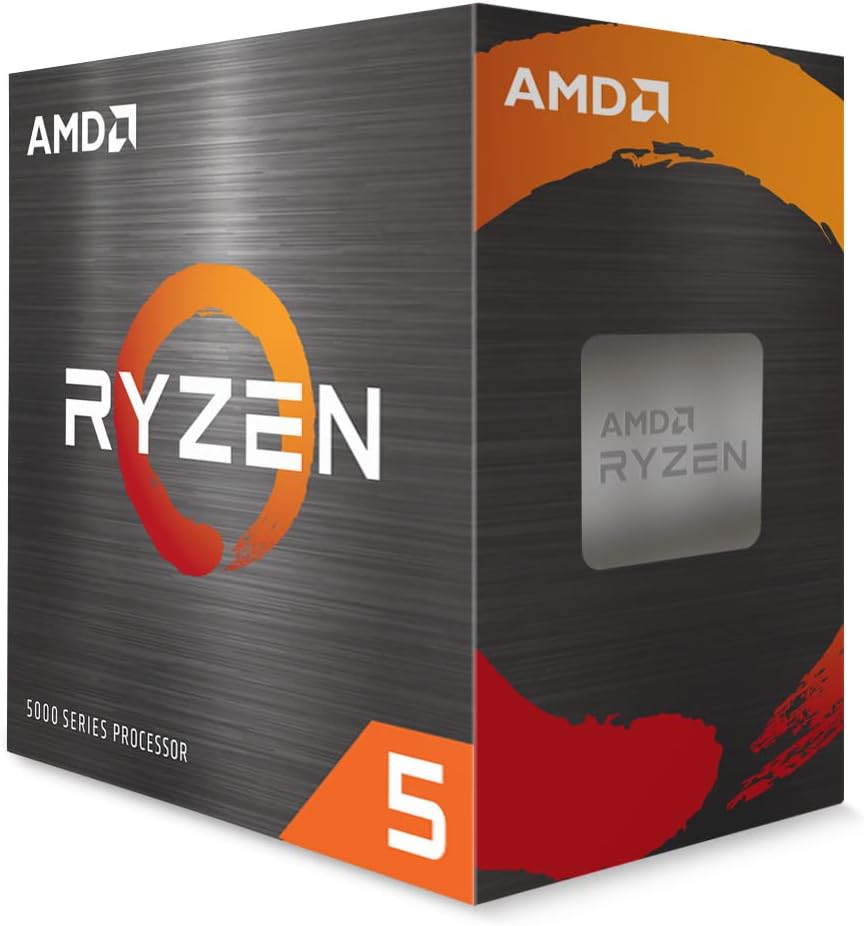
The AMD Ryzen 5 9600X delivers exceptional performance for its price point making it the best budget option. It brings the latest Zen 5 architecture to mid-range users ensuring longevity and efficiency.
We may earn a commission when you buy through this link, at no additional cost to you.
With six cores and twelve threads it handles most analytical tasks with ease. The high boost clock of 5.4 GHz ensures that calculations complete quickly without lag during data entry or review.
While it lacks the core count of premium models it is more than sufficient for standard spreadsheet work. The unlocked multiplier allows enthusiasts to push performance further if their cooling setup permits.
For small businesses or individual analysts on a budget this processor offers the best balance of cost and capability. It ensures a fast and responsive computing experience without breaking the bank.
The latest architecture provides better performance per watt for cooler and quieter operation.
Support for DDR5-5600 memory ensures fast data transfer rates to the CPU.
We may earn a commission when you buy through this link, at no additional cost to you.
The Intel Core Ultra 7 270K bridges the gap between consumer and professional workloads. It offers a robust core configuration that supports complex data workflows while maintaining efficiency through hybrid architecture.
We may earn a commission when you buy through this link, at no additional cost to you.
Boost speeds reaching 5.5 GHz ensure that interactive tasks remain snappy. This speed is particularly useful when dealing with large pivot tables or dynamic arrays in modern Excel versions.
The processor supports fast DDR5 memory speeds which helps reduce bottlenecks when moving large datasets. This feature ensures that the CPU spends less time waiting for data from RAM.
Ideal for creators and analysts who need versatility this chip delivers strong all-around performance. It is a reliable choice for those building a new system with future expansion in mind.
Compatibility with up to 7200 MT/s DDR5 memory enhances overall system responsiveness.
Optimized workload distribution keeps performance high while managing power consumption.
We may earn a commission when you buy through this link, at no additional cost to you.
The AMD Ryzen 9 9950X is a powerhouse designed for the most demanding data environments. With 16 cores and 32 threads it excels at parallel processing tasks like large dataset transformations.
We may earn a commission when you buy through this link, at no additional cost to you.
Its large cache and high boost clocks ensure quick access to frequently used data. This speed is vital for analysts who run multiple scripts or simulations simultaneously on their workstation.
While the price is premium the performance justifies the cost for professional use. The unlocked status allows for fine-tuning to extract every bit of performance needed for specific analytical models.
If you work with massive spreadsheets or run complex data pipelines this processor is unmatched. It provides the raw computational power necessary to handle enterprise-level analysis tasks efficiently.
Thirty-two threads enable simultaneous execution of multiple data processing tasks.
Eighty megabytes of cache reduce latency during intensive data computation cycles.
We may earn a commission when you buy through this link, at no additional cost to you.
The Intel Core i7-12700KF remains a strong performer for mid-range workstation builds. It combines performance and efficiency cores to deliver solid speeds for spreadsheet calculations and data sorting.
We may earn a commission when you buy through this link, at no additional cost to you.
With 12 cores and 20 threads it handles multitasking better than many older models. The cache size ensures that frequently accessed data remains close to the processor for quicker retrieval.
Since it is a previous generation chip it can be found at attractive price points. This makes it a smart choice for budget-conscious professionals who still need reliable performance.
This processor works well for general data analysis where extreme speeds are not critical. It offers a stable platform for running complex formulas and managing large Excel files daily.
Eight performance and four efficiency cores provide a balanced approach to workload management.
Widely supported socket ensures compatibility with many existing motherboard options.
We may earn a commission when you buy through this link, at no additional cost to you.
The Intel Core i5-14400F offers a practical balance for everyday data work. It includes a thermal solution which simplifies the build process for those new to PC assembly.
We may earn a commission when you buy through this link, at no additional cost to you.
With ten cores and sixteen threads it provides enough power for standard analysis tasks. The hybrid design ensures that background processes do not interfere with active spreadsheet work.
While it lacks the raw speed of higher-end chips it is sufficient for most business applications. The inclusion of PCIe 5.0 ensures that storage and GPU upgrades will be future compatible.
This CPU is an excellent choice for office environments where reliability and cost matter. It delivers consistent performance for running financial models and data reporting tools efficiently.
The bundled thermal solution reduces initial costs and simplifies setup for new users.
PCIe 5.0 support ensures readiness for next-generation storage and expansion cards.
We may earn a commission when you buy through this link, at no additional cost to you.
The AMD Ryzen 9 9900X brings significant power to the AM5 platform. With twelve cores and twenty-four threads it handles heavy workloads with impressive grace and consistency.
We may earn a commission when you buy through this link, at no additional cost to you.
Its large cache ensures that complex data structures remain accessible without memory latency. This feature is particularly beneficial for users working with linked databases or dynamic arrays in Excel.
While it sits in a higher price tier the performance is well justified for serious analysts. It offers a substantial upgrade over older six-core options for those needing faster processing.
This processor is ideal for users transitioning to a high-performance workstation setup. It delivers the speed required for efficient data visualization and advanced statistical analysis tasks.
Twenty-four threads support robust parallel processing for data transformations.
The architecture delivers more work per watt for sustainable long-term usage.
We may earn a commission when you buy through this link, at no additional cost to you.
The AMD Ryzen 5 5500 is an accessible entry point for data tasks. It includes a Wraith Stealth cooler which simplifies the setup process for users with limited budgets.
We may earn a commission when you buy through this link, at no additional cost to you.
With six cores and twelve threads it manages basic analysis effectively. While not the fastest for complex macros it handles standard spreadsheets and reporting without issues.
Users on a tight budget will appreciate the cost savings while still getting solid performance. It serves as a reliable machine for routine data entry and simple calculations.
This processor is best suited for small offices or students learning data analysis. It provides a functional foundation that can be upgraded later as needs grow and budgets expand.
The bundled Wraith Stealth cooler keeps temperatures managed without extra purchase.
Fits many affordable motherboards offering flexibility for budget system builds.
We may earn a commission when you buy through this link, at no additional cost to you.
Selecting the right processor involves understanding how core count clock speed and cache affect your specific analytical workflows.
Core count determines how many tasks your CPU can handle simultaneously. For data analysis having more cores helps when running background processes or multiple spreadsheets at once.
Look for at least six cores for standard use and sixteen or more for heavy professional workloads.
Clock speed measured in GHz dictates how fast single tasks are completed. High boost clocks are crucial for interactive tasks like editing cells or running formulas.
Aim for boost speeds above 5 GHz to ensure smooth responsiveness during daily analysis tasks.
Cache acts as high-speed memory for frequently accessed data. Larger cache sizes reduce the need to fetch data from slower system memory.
Prioritize processors with at least 20MB of L3 cache for efficient handling of large datasets.
The platform determines future upgradeability and memory compatibility. Newer sockets like AM5 and LGA1851 offer better longevity and support for faster memory standards.
Choosing a modern platform ensures your system stays relevant as software demands increase over time.
Efficiency impacts cooling requirements and electricity costs. Modern architectures balance performance with lower power draw to reduce heat output during long analysis sessions.
Look for processors with efficient designs to keep your workspace cooler and quieter.
Your budget dictates the balance between raw speed and core count. Entry-level CPUs handle basics while high-end models excel at complex transformations.
Invest in the most capable processor your budget allows to avoid bottlenecks in your workflow.
Many analysts run multiple applications simultaneously. Thread count helps when switching between spreadsheets browsers and data tools without lag.
Ensure your CPU has enough threads to handle your typical open application load comfortably.
High-performance CPUs generate significant heat. Proper cooling is essential to maintain boost speeds without thermal throttling.
Check if a cooler is included or if you need to budget for an aftermarket solution.
Ensure your cooling system is properly mounted to prevent overheating during long calculation sessions. Regular dust cleaning helps maintain airflow and thermal performance.
Update your BIOS and drivers to benefit from the latest performance optimizations and stability fixes released by manufacturers.
Avoid overclocking unless you have adequate cooling knowledge. Stable settings are better for professional data analysis than unstable extreme speeds.
Not necessarily because many Excel formulas rely heavily on single-core speed. While more cores help with multitasking raw single-thread performance is often more critical for daily tasks.
DDR5 offers faster data transfer speeds which can help with large datasets. However DDR4 is still sufficient for most standard spreadsheets and financial modeling tasks.
Integrated graphics are usually enough for standard Excel use. A discrete GPU is only needed if you run complex 3D visualizations or heavy simulation software alongside spreadsheets.
Depends on your socket type. AM5 and LGA1851 allow for future upgrades within the same socket whereas older platforms may require a full board replacement for next-gen CPUs.
A high-quality air cooler or liquid cooling solution is recommended for high-end models. These ensure consistent performance under load without thermal throttling during long analysis sessions.
Check your software documentation for multi-threading support. Most modern analytics tools utilize multiple cores but some legacy macros might only rely on single-core performance.
We covered ten top processors ranging from budget-friendly options to high-end powerhouses. Each model offers unique strengths depending on your specific workload and budget requirements.
Prioritize single-core speed for daily formulas and core count for heavy multitasking. The right choice balances these factors to match your typical analytical tasks.
Prices and availability change frequently so check current details before purchasing. Ensure your chosen CPU pairs well with your motherboard and cooling solution for optimal performance.