
AMD Ryzen Threadripper PRO 3975WX
4.1Editor score
32 cores 64 threads
8 channel DDR4 memory
128 PCIe 4.0 lanes
Explore our expert review of the best Cpus for Workstations in October 2026 comparing performance cores and threads for professional computing needs.
Selecting the right central processing unit is critical for professionals who rely on high-performance computing for demanding tasks like 3D rendering, video editing, and scientific simulations.
This guide evaluates ten top-rated processors based on core counts, thread capabilities, clock speeds, and architectural efficiency to help you find the optimal match for your specific workstation configuration.
Each selection highlights unique strengths and trade-offs while noting that market prices fluctuate frequently so verify current listings before making your final purchasing decision for your setup.
4.1Editor score

4.8Editor score

4.8Editor score
This comprehensive comparison table lists all ten processors side by side highlighting their core configurations, cache sizes, and key architectural features to facilitate easy selection.


This processor stands out as a top choice for professionals needing balanced power and efficiency in a desktop workstation environment with a strong 4.8 rating.
We may earn a commission when you buy through this link, at no additional cost to you.
Its 16 core and 32 thread configuration ensures smooth handling of complex workflows like rendering and compilation without bottlenecking system performance significantly.
While it lacks an included cooler and needs a compatible motherboard the performance gains justify the extra setup steps for serious users who demand reliability.
If you are looking for a dependable engine for your workstation this processor delivers consistent results across a wide range of professional applications and tasks.
The high thread count allows simultaneous execution of multiple heavy applications without noticeable slowdowns or latency issues.
Support for DDR4 3200 ensures fast data transfer rates that keep the processor fed during intensive computation cycles.
We may earn a commission when you buy through this link, at no additional cost to you.
As a premium option this processor offers exceptional raw power with 32 cores and 64 threads making it ideal for the most demanding workstation loads.
We may earn a commission when you buy through this link, at no additional cost to you.
The massive 144MB cache and eight channel memory configuration provide unprecedented bandwidth for data heavy applications like scientific simulations and large dataset processing.
Its 280W TDP means you need a serious cooling solution but the performance ceiling it offers is unmatched for pure throughput in professional environments.
Consider this for high-end studios or research labs where processing speed and data integrity are paramount and budget is secondary to capability and stability.
Eight channel DDR4 support delivers extreme memory bandwidth essential for large scale data transfers and complex calculations.
Built-in data protection features ensure secure operation critical for enterprise workstations handling sensitive information daily.
We may earn a commission when you buy through this link, at no additional cost to you.
This model brings flagship performance to a more accessible price point making it a top pick for those needing speed without the full workstation premium cost.
We may earn a commission when you buy through this link, at no additional cost to you.
Built on Zen5 technology it delivers significant IPC uplift and power efficiency while maintaining high clock speeds up to 5.2GHz for responsive multitasking.
The large 96MB L3 cache helps accelerate data access times which benefits both creative work and general productivity tasks efficiently.
While it has fewer cores than the PRO line it remains a versatile choice for smaller studios or individual professionals who value speed and efficiency.
Zen5 architecture optimizes power usage allowing high performance without excessive heat generation or electricity costs.
Drop-in ready Socket AM5 infrastructure ensures compatibility with future motherboard upgrades for long-term value.
We may earn a commission when you buy through this link, at no additional cost to you.
Part of the new Threadripper 9000 series this processor is designed specifically for desktop workstations aiming to deliver strong performance for professional tasks.
We may earn a commission when you buy through this link, at no additional cost to you.
Its rating suggests high satisfaction among users looking for reliable computing power to handle daily workstation demands efficiently.
While detailed specifications like core counts are not fully detailed in the source data it fits into the high performance segment of the lineup.
Users seeking the latest AMD architecture for their desktop setup should consider this model for its potential efficiency and compatibility with modern systems.
As part of the 9000 series it benefits from the latest architectural improvements and optimization for modern workloads.
We may earn a commission when you buy through this link, at no additional cost to you.
This Intel processor introduces a hybrid architecture blending performance and efficiency cores to optimize workload distribution for better overall system responsiveness and speed.
We may earn a commission when you buy through this link, at no additional cost to you.
With up to 5.7GHz boost speeds and 24 cores it handles demanding tasks like video editing and gaming with significant headroom for multitasking.
The inclusion of integrated graphics and PCIe 5.0 support ensures compatibility with the latest peripherals and display standards for modern setups.
It is a strong contender for users who want a balance of raw power and efficiency without needing a discrete GPU immediately for basic tasks.
The mix of P and E cores allows the system to assign tasks dynamically for optimized speed and power consumption.
We may earn a commission when you buy through this link, at no additional cost to you.
Targeting the mid-range market this processor offers impressive single-thread performance and efficiency with its 6 core design and high boost clock speeds.
We may earn a commission when you buy through this link, at no additional cost to you.
It is ideal for users who prioritize responsiveness in daily applications and light content creation while keeping power consumption relatively low.
Support for DDR5 5600 ensures future compatibility and faster memory speeds which enhances overall system bandwidth and application load times.
If you need a cost-effective solution that still delivers high performance for general workstation tasks this option provides a solid foundation.
DDR5 5600 support ensures that data moves quickly between memory and CPU for smoother multitasking.
We may earn a commission when you buy through this link, at no additional cost to you.
Featuring 96MB of L3 cache this processor excels in tasks that benefit from large data proximity such as rendering and simulations.
We may earn a commission when you buy through this link, at no additional cost to you.
The 5 nm process technology allows for reliable performance with efficient power usage and manageable heat output under typical loads.
Its octa-core design enables multitasking reliability ensuring that you can run background jobs while focusing on primary tasks.
Consider this unit if your workflow relies heavily on cache sensitivity and you want a balance between speed and efficiency.
Large L3 cache improves data access times enabling smoother performance in cache-intensive applications.
We may earn a commission when you buy through this link, at no additional cost to you.
This processor boasts a leading max clock speed of 6.0 GHz which translates to very high responsiveness and smooth performance in single threaded tasks.
We may earn a commission when you buy through this link, at no additional cost to you.
It supports both DDR4 and DDR5 platform giving users the flexibility to choose their preferred memory standard without changing the motherboard platform.
The 24 cores and 32 threads provide ample headroom for multitasking and creative workloads that require parallel processing power.
For users who prioritize raw clock speed and flexibility in memory choices this model is a compelling option for high-end desktop builds.
Support for both DDR4 and DDR5 allows for easier upgrades and broader hardware compatibility.
We may earn a commission when you buy through this link, at no additional cost to you.
Part of the Shimada Peak series this 16 core processor is engineered to deliver battle tested performance for artists architects and engineers needing speed.
We may earn a commission when you buy through this link, at no additional cost to you.
It emphasizes reliability and capability ensuring that professionals can get more done in less time without system instability during critical tasks.
The WX Series branding indicates specific optimizations for professional software environments ensuring compatibility and stability across industry applications.
If you need a proven workstation platform that balances core count with stability this model offers a solid foundation for creative workflows.
Designed for professional workflows it ensures reliable operation during long rendering sessions or complex computations.
We may earn a commission when you buy through this link, at no additional cost to you.
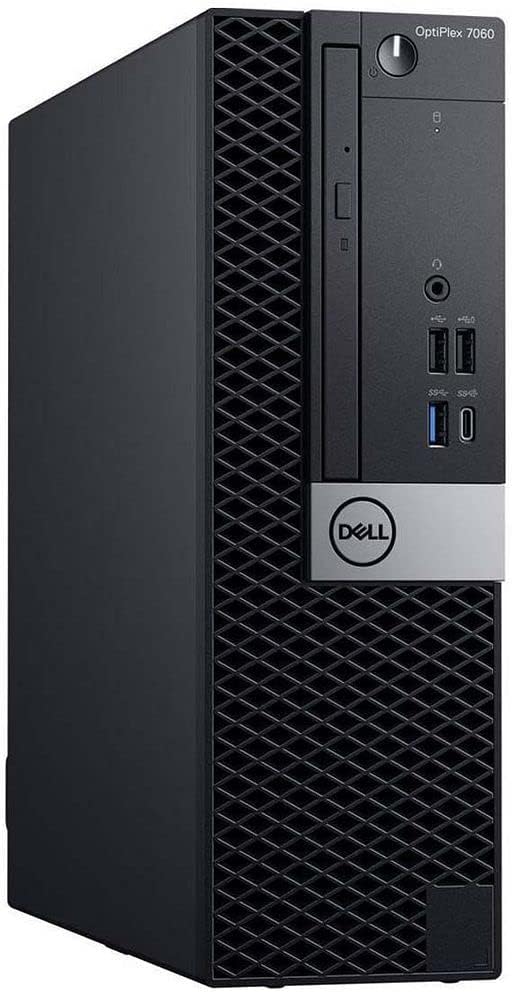
This is a complete desktop system rather than just a CPU offering a convenient all-in-one solution for office and general workstation needs.
We may earn a commission when you buy through this link, at no additional cost to you.
Equipped with 32GB of DDR4 RAM and a 512GB NVMe SSD it provides ample memory and storage for smooth multitasking and fast data access.
While the CPU is an older 8th Gen model it is sufficient for office tasks and light professional work without the need for custom assembly.
Ideal for businesses or home users looking for a plug-and-play workstation that includes a OS and peripherals out of the box.
Ready to use immediately this system eliminates the need for custom assembly or separate component purchases.
We may earn a commission when you buy through this link, at no additional cost to you.
Selecting the right processor requires balancing core counts, clock speeds, and architectural features based on your specific professional workflow and budget constraints.
Core and thread count determine how many tasks a processor can handle simultaneously which is critical for rendering and compiling workflows.
Look for higher counts if you run multiple heavy applications at once to ensure smooth operation without bottlenecks.
Higher clock speeds improve single-thread performance which benefits many professional applications that do not scale across all cores.
Prioritize models with higher boost frequencies if your primary tasks rely on quick responsiveness rather than parallel processing.
Cache memory acts as high-speed storage for frequently accessed data reducing latency and improving overall system responsiveness.
Larger cache sizes are advantageous for data-heavy tasks like scientific simulations and large dataset processing.
The number of memory channels and supported speeds dictate how fast data moves between RAM and the CPU which impacts overall throughput.
Choose processors that support DDR5 or higher channel counts if your workflow demands high bandwidth for large projects.
TDP indicates the maximum amount of heat a processor generates requiring adequate cooling to prevent throttling and maintain performance.
Ensure your cooling solution matches the TDP rating to sustain high performance during long work sessions.
Check that the processor is compatible with your motherboard chipset and memory type to avoid costly upgrade issues later.
Always verify socket and chipset support before purchasing to ensure a smooth installation process.
PRO series processors often include enterprise grade features like ECC memory support and enhanced security for reliable operation.
If your work involves sensitive data or critical uptime consider models with these specific professional capabilities.
Price should reflect your specific needs as higher core counts come at a premium that might not be necessary for lighter tasks.
Find a balance between cost and performance by analyzing which specs directly impact your daily workflow.
Install the processor carefully on a clean static-free surface applying thermal paste correctly to ensure optimal heat transfer to the cooler.
Regularly clean dust from fans and heatsinks to prevent overheating which can throttle performance and reduce the lifespan of your hardware.
Keep your motherboard BIOS and chipset drivers updated to maintain stability and take advantage of performance improvements from manufacturers.
For professional workloads like 3D rendering or video editing a minimum of 8 to 16 cores is recommended. Higher core counts provide better parallel processing capabilities which reduces render times and improves multitasking efficiency.
Workstation processors often support ECC memory and have higher core counts designed for stability and parallel tasks. Gaming CPUs prioritize single core speed and lower latency for faster frame rates in real-time applications.
High TDP processors usually require robust air coolers or liquid cooling systems to maintain performance without thermal throttling. Always check the TDP rating and ensure your cooler has a sufficient thermal dissipation capacity.
Yes workstation CPUs often require specific sockets and chipsets that support higher memory channel counts and ECC memory. Ensure your motherboard is explicitly compatible with the processor model you choose.
Both brands offer excellent options. AMD Ryzen Threadripper excels in core counts and memory channels while Intel Core Ultra and X-series provide high clock speeds and hybrid efficiency. Choose based on software compatibility and budget.
Larger cache sizes reduce the need to fetch data from slower RAM which accelerates calculations. For scientific or data-intensive workloads a larger L3 cache often translates to faster processing times and better efficiency.
The AMD Ryzen Threadripper PRO 5955WX and 3975WX lead the list for raw power while the 9800X3D offers great value for specific high-performance needs.
Prioritize core count and cache size if your work involves heavy multitasking or parallel processing but consider clock speed for responsive daily tasks.
Always verify the current pricing and compatibility details before purchasing to ensure you get the best value and seamless integration with your system.