
Focusrite Scarlett Solo 4th Gen USB-C Audio Interface
4.6Editor score
High quality converters
Simple USB-C connection
Included software suite
This guide compares the top audio interfaces with built in DSP for 2026, evaluating latency, features, and sound quality for musicians and creators.
Finding the right audio interface with built in DSP can transform your home studio workflow. These devices offer real-time effects without taxing your computer CPU. They are essential for vocalists and musicians who need immediate feedback while recording.
We evaluated ten leading models based on conversion quality, DSP capabilities, and connectivity. Each unit was analyzed for its preamp performance and software ecosystem. This list covers options for everyone from beginners to professional engineers.
Each pick highlights specific strengths and ideal use cases for different workflows. We include detailed reviews and a comprehensive buying guide to help you decide. Please note that prices and availability may change over time.
4.6Editor score

4.8Editor score

4.0Editor score
This side-by-side comparison highlights the key specifications and unique features of each model to help you find the perfect match for your studio needs.





The Antelope Audio Zenith 2 is a standout in the audio interface with built in DSP market. It combines high-end conversion with an intuitive touchscreen interface that simplifies complex workflows. Its DSP capabilities allow for zero-latency processing of vocal chains and guitar rigs.
We may earn a commission when you buy through this link, at no additional cost to you.
Its standout quality lies in the Studio Wizard and Smart Vocal Chain features which provide professional polish instantly. The interface offers 75 dB of clean gain making it suitable for demanding microphones like the Shure SM7B. You can adjust compression and EQ directly on the device or via software.
The trade-off is that it focuses heavily on streaming and solo recording rather than large multi-instrument sessions. While it has two inputs the expansion options are limited compared to rack units. However for solo artists and streamers this compact design offers immense power.
If you need a portable solution that delivers studio quality sound with advanced DSP this is the top recommendation. It is ideal for podcasters and musicians who want to shape their sound without relying on computer resources. The included software bundle adds significant value to the package.
The onboard DSP ensures that effects process in real time without any delay which is crucial for live monitoring.
This feature combines noise gate compression and EQ into a single optimized preset for professional vocal results instantly.
We may earn a commission when you buy through this link, at no additional cost to you.
The Universal Audio Apollo Twin X QUAD represents the pinnacle of audio interface with built in DSP technology for professional studios. It provides access to a vast library of UAD plug-ins that emulate classic hardware gear with incredible accuracy. The QUAD core ensures ample processing power for complex mixes.
We may earn a commission when you buy through this link, at no additional cost to you.
Its key strength is the Unison preamp technology which allows you to record through emulations of classic mic preamps in real time. This means you can hear the final sound while tracking rather than waiting for post-processing. The conversion quality is also top tier offering wide dynamic range and low distortion.
The main trade-off is the cost and the requirement for a Thunderbolt port on your computer which may limit compatibility with some laptops. Additionally the interface is designed for Mac and PC users who already understand the UAD ecosystem. However for those seeking studio quality at home it is unmatched.
You should buy this if you are a professional or serious hobbyist who values tone and plugin variety above all else. It is perfect for tracking guitars and vocals with authentic analog warmth. The included Analog Classics Pro bundle provides immediate access to legendary effects.
This technology links the interface hardware with specific plugins to emulate the impedance and response of vintage gear.
Sonarworks integration helps you hear your mixes accurately regardless of your room acoustics or monitor speakers.
We may earn a commission when you buy through this link, at no additional cost to you.
The Focusrite Scarlett Solo 4th Gen is an excellent entry level audio interface with built in DSP features for songwriters. It brings studio quality sound to a compact and affordable package that fits any desk. The USB-C connectivity ensures it works seamlessly with modern computers.
We may earn a commission when you buy through this link, at no additional cost to you.
Its key strengths include a massive 120dB dynamic range and the improved Air mode which adds presence to vocals and guitars. The preamps are clean and the software bundle offers everything you need to start recording immediately. It is designed for simplicity and ease of use.
The trade-off is that it only has one input so you cannot record multiple sources simultaneously. While the DSP features are basic compared to high-end units they are sufficient for simple monitoring needs. This makes it less suitable for bands but perfect for solo artists.
If you are looking for a reliable starting point that delivers professional sound quality this is the ideal choice. It is great for podcasters and singers who need a single high quality input. The included software adds significant value making it a complete solution.
This feature lifts vocals and guitars to the front of the mix by adding harmonic drive and rich presence.
The package includes Pro Tools Intro plus Ableton Live Lite and other plugins to get you started quickly.
We may earn a commission when you buy through this link, at no additional cost to you.
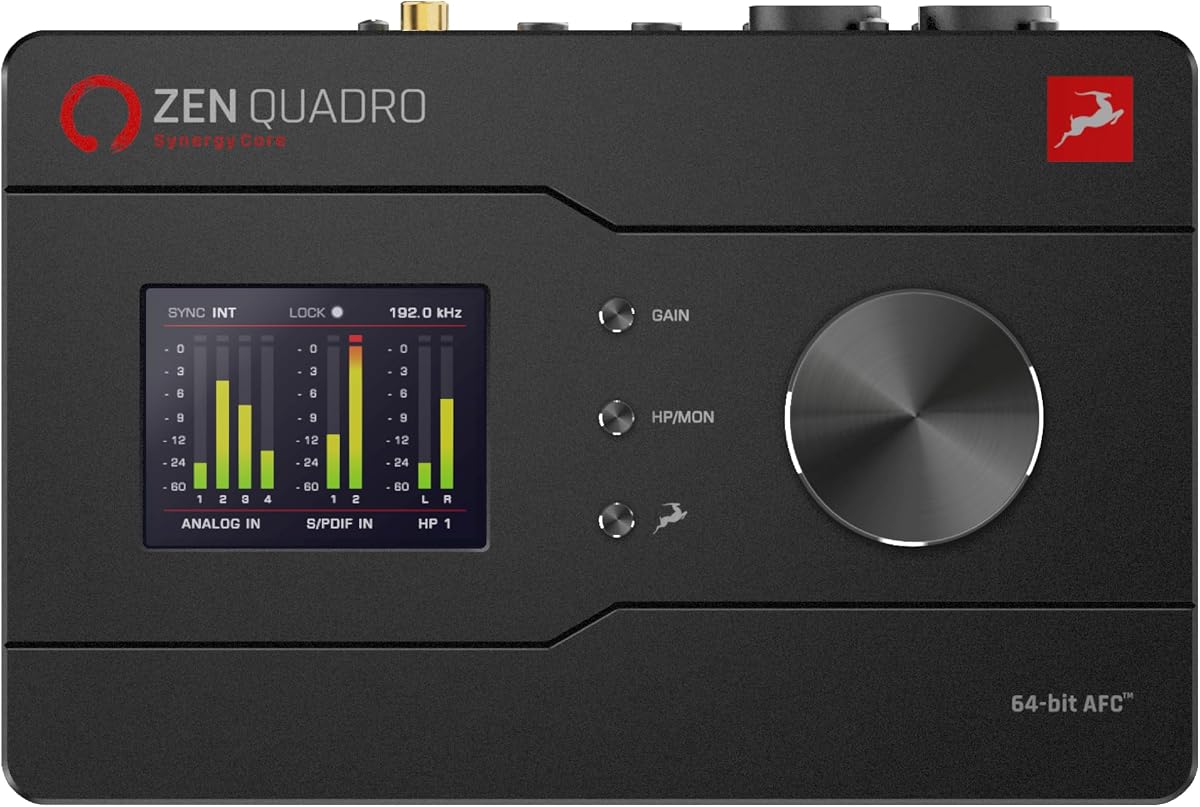
The Antelope Audio Zen Quadro is a powerful audio interface with built in DSP that offers extensive expandability and clocking precision. It features four discrete preamps and supports multiple inputs via ADAT making it versatile for larger sessions. The Synergy Core platform provides near-zero latency processing.
We may earn a commission when you buy through this link, at no additional cost to you.
Its standout features include dual USB-C ports allowing you to connect two computers or a computer and a mobile device. The conversion technology is shared with flagship studio interfaces ensuring top quality sound. You can route audio between devices which is great for streaming setups.
The trade-off is that the feature set can be overwhelming for beginners who want a simple plug and play experience. It requires some knowledge of routing to get the most out of the dual USB and ADAT capabilities. However it offers unmatched flexibility for its price.
You should buy this if you need to expand your studio later or work with multiple audio sources simultaneously. It is ideal for producers who need more than standard inputs and outputs. The clocking accuracy ensures your audio stays in sync with external gear.
This platform combines FPGA and DSP hardware to run effects without taxing your computer CPU or adding latency.
You can connect a phone and computer at once or route audio between two computers for flexible workflows.
We may earn a commission when you buy through this link, at no additional cost to you.
The Universal Audio Apollo Twin X DUO is a solid choice for those wanting an audio interface with built in DSP without the full QUAD power. It offers similar Unison preamp technology and plugin access but is optimized for standard recording tasks. The dual core ensures stable performance during mixing.
We may earn a commission when you buy through this link, at no additional cost to you.
Key strengths include Auto-Gain which sets levels across inputs instantly so you never miss a take. The Monitor Correction powered by Sonarworks ensures you hear your mix accurately. Bass management allows you to add a subwoofer for more detailed low end monitoring.
The trade-off is that it lacks the quad core power for extremely heavy plugin loads compared to the QUAD version. It also requires Thunderbolt 3 which may need adapters for some users. Despite this it remains one of the most reliable interfaces for home studios.
You should buy this if you want professional UAD sounds at a slightly lower price point than the QUAD. It is perfect for singer-songwriters and podcasters who need high quality conversion. The included plugins are award-winning and ready to use.
This feature automatically sets optimal input levels across multiple inputs in seconds saving time on setup.
Powered by Sonarworks this tool corrects room acoustics so your mixes translate better to other systems.
We may earn a commission when you buy through this link, at no additional cost to you.
The Solid State Logic 2 MKII Plus is a robust audio interface with built in DSP that focuses on classic analog warmth. It brings the legendary SSL sound to modern studios with a 32-bit 192 kHz conversion engine. The Legacy 4K Analog Enhancement adds a signature harmonic saturation.
We may earn a commission when you buy through this link, at no additional cost to you.
Its strengths lie in its high fidelity conversion and the included SSL Production Pack which offers industry-standard software. It is fully bus powered making it portable for location recording. The Zero-Latency Monitoring ensures you hear your performance cleanly without delay.
The trade-off is that the DSP features are less extensive than those on dedicated DSP platforms like Antelope or UAD. It is more of a high quality converter with simple DSP monitoring features. This makes it ideal for those who prefer recording dry and mixing in software.
You should buy this if you love the SSL sound and want a reliable interface for recording and streaming. It is great for producers who want a simple setup with premium conversion. The Loopback feature is perfect for capturing system audio easily.
This emulation recreates the harmonic saturation and punch of classic SSL consoles for a distinctive sound.
Allows you to capture system audio along with mic inputs making it ideal for live streaming or podcasting.
We may earn a commission when you buy through this link, at no additional cost to you.
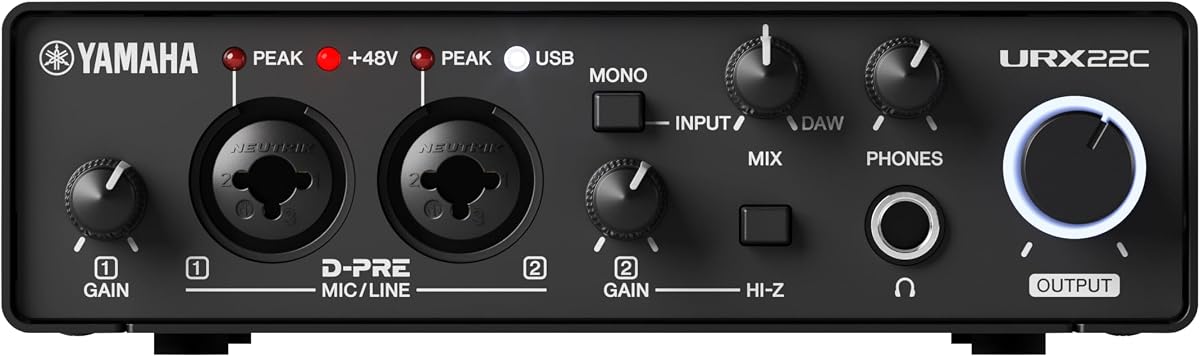
The Yamaha URX22C is a durable audio interface with built in DSP designed to withstand the rigors of touring. It features a full-metal housing and high quality Class-A D-PRE preamps that deliver clean gain. The DSP-powered mixing allows for latency-free monitoring with effects.
We may earn a commission when you buy through this link, at no additional cost to you.
Its key strengths include the REV-X reverb and Channel Strip which help you shape your sound on the fly. The 32-bit 192kHz support ensures high fidelity recording. The included Steinberg software suite provides everything you need to start producing music.
The trade-off is that its DSP capabilities are less extensive than dedicated platforms and rely on software integration. It is primarily a two-channel interface which may limit expansion for complex bands. However for guitarists and vocalists it offers excellent reliability.
You should buy this if you need a tough interface for live use or a reliable home studio solution. It is perfect for those who value build quality and solid sound. The included software is a strong bonus for new creators.
These Class-A preamps provide clean and clear amplification suitable for a wide range of microphones.
A high quality DSP effect that adds space and depth to your vocals and instruments during recording.
We may earn a commission when you buy through this link, at no additional cost to you.
The MOTU UltraLite-mk5 is a versatile audio interface with built in DSP that supports a massive number of simultaneous channels. It offers 18×22 USB audio capacity making it ideal for recording full bands. The CueMix 5 app allows for unique mixes for every output pair.
We may earn a commission when you buy through this link, at no additional cost to you.
Its standout features include six separate mix busses which allow different musicians to hear themselves perfectly on stage. The onboard effects like parametric EQ and reverb are accessible via the app. The OLED display provides detailed metering at a glance.
The trade-off is that managing six mix busses can be complex for beginners. The physical size is larger than compact interfaces which may be an issue for small desks. However its performance and flexibility are unmatched for its size.
You should buy this if you need to record drums or full ensembles without a large rack system. It is great for live recording and broadcast setups. The optimized drivers ensure rock-solid performance on any computer.
Control mixing and settings from your Mac PC or iOS device to create custom monitor mixes easily.
View all signal activity and metering on the interface itself without needing to open software constantly.
We may earn a commission when you buy through this link, at no additional cost to you.
The Yamaha URX22 B is a modern audio interface with built in DSP that features a large touchscreen for intuitive control. It provides four inputs and two outputs which is more than most entry-level models. The touchscreen allows you to adjust levels and effects visually.
We may earn a commission when you buy through this link, at no additional cost to you.
Key strengths include the dual USB ports for connecting a computer and phone simultaneously. The built-in DSP ensures latency-free monitoring and the preamps offer a substantial 78 dB gain range. The software bundle includes Cubase Al and WaveLab Cast for production.
The trade-off is that using a touchscreen can take some getting used to compared to physical knobs. It also has limited expansion options beyond the four inputs. However the user interface is a significant upgrade for streamers and creators.
You should buy this if you want a visual interface that simplifies mixing on the fly. It is perfect for podcasters who need to switch sources quickly. The dual USB feature makes it versatile for hybrid setups.
The 4.3 inch screen provides immediate visual feedback and control over levels and effects.
Connect a computer and a mobile device simultaneously for flexible streaming and recording workflows.
We may earn a commission when you buy through this link, at no additional cost to you.
The Elgato Wave XLR MK.2 is a specialized audio interface with built in DSP designed for content creators and streamers. It offers an 80dB gain range suitable for almost any XLR microphone. The Wave Link app unifies DSP effects and VST plugins into one chain.
We may earn a commission when you buy through this link, at no additional cost to you.
Its key strengths include touch control with LED feedback which lets you see levels at a glance. The onboard voice enhancer compressor and EQ help polish your sound instantly. The 24bit 48kHz resolution ensures clear audio for online audiences.
The trade-off is that it focuses heavily on streaming workflows and lacks multi-channel capabilities. The DSP features depend on the software which requires some setup to route correctly. Despite this it is the easiest way to get professional broadcast audio.
You should buy this if you prioritize streaming quality and ease of use over complex recording features. It is ideal for YouTubers and podcasters who want a clean signal path. The visual feedback helps prevent clipping during live sessions.
This software allows precise routing and effects control specifically designed for streaming workflows.
Customizable lighting lets you instantly see audio levels and status without looking at your computer.
We may earn a commission when you buy through this link, at no additional cost to you.
Choosing the right audio interface with built in DSP requires understanding your specific recording needs and workflow. Consider factors like connection type preamp quality and software ecosystem.
Interfaces use USB USB-C or Thunderbolt to connect to your computer. USB is widely compatible and easy to use. Thunderbolt offers faster speeds which can help with lower latency when using heavy DSP loads. Ensure your computer has the right port before buying.
Match the connection to your computer's capabilities to avoid needing adapters or limiting your workflow.
Built in DSP allows effects to run on the interface instead of your computer CPU. This ensures zero latency monitoring which is vital for performance. Look for units that offer enough cores to run the number of plugins you need without crashing.
More DSP cores provide more headroom for complex mixing and recording chains simultaneously.
Determine how many microphones or instruments you need to record at once. Two inputs are standard for solo work while more are needed for bands. Additional outputs allow for separate monitor mixes or routing to external gear.
Choose an interface that matches your maximum input requirements to avoid upgrading later.
Preamps determine the clarity and noise floor of your recording. High gain range is important for dynamic microphones. Look for units that offer high quality converters to capture every detail of your performance.
Clean preamps ensure your signal is recorded faithfully without adding unwanted noise.
Many interfaces come with software bundles or proprietary apps. These tools help you control the hardware and access effects. A robust ecosystem saves money and improves the overall user experience during your sessions.
Check that the included software is compatible with your operating system and offers the features you need.
Accurate monitoring is key to making good mixing decisions. Features like monitor correction help you hear your room accurately. Independent headphone outputs are useful for collaborations or multi-person sessions.
Prioritize units with clear monitoring controls to ensure your recordings sound good everywhere.
Durability matters if you plan to transport your gear. Metal housings protect the device from damage. Knobs and switches should feel solid to prevent wear over time. Bus powered options save desk space and power outlets.
Invest in a unit with robust construction to ensure long-term reliability in any environment.
Interfaces vary widely in price depending on features and DSP capabilities. Determine your budget and focus on the most critical features. A slightly more expensive unit may save you from upgrading soon.
Balance the cost against the features you will actually use regularly in your workflow.
Connect your interface to your computer using the correct cable type. Install any required drivers or software updates to ensure optimal performance. Use the control panel to set input levels before recording.
Adjust DSP settings like EQ and compression on the interface to monitor your sound in real time. If using external gear connect it to the appropriate inputs and route signals via the software.
Keep your interface clean and dry by avoiding spills and dust. Store it in a padded case if you travel often. Restart your computer regularly to clear any driver issues that may affect latency.
The main benefit is zero latency monitoring. DSP processes effects on the interface hardware instead of your computer CPU allowing you to hear your sound instantly without delay during recording.
Some interfaces are class compliant and do not need drivers while others require specific software for full features. Always check the product details to ensure compatibility with your operating system before purchasing.
Many modern interfaces with USB-C support iOS and Android devices with the right adapters. Check the specifications to confirm mobile compatibility if you plan to record on a tablet or phone.
Unison preamps are a technology that links the hardware to specific software plugins. This allows you to record with the tone and impedance of classic vintage preamps in real time.
DSP offloads processing from your computer CPU to the interface. This reduces the load on your computer allowing you to run more software plugins without slowing down your system.
Yes because DSP ensures low latency mixing and vocal processing for live broadcasts. It helps deliver a polished sound to your audience without overloading your computer during streams.
We highlighted top picks like the Antelope Audio Zenith 2 for overall performance and the Focusrite Scarlett Solo 4th Gen for budget buyers. Each model offers unique features to suit different recording needs.
Prioritize DSP power and connection type based on your workflow. If you need zero latency effects choose a unit with strong onboard processing. Ensure your computer matches the interface requirements.
Prices and availability can change frequently so check current listings before you decide. Investing in the right interface will elevate your recording quality for years to come.