
NIMO 17.3" Gaming Laptop
4.2Editor score
32GB DDR5 RAM included
17.3 inch spacious display
Fast 100W PD charging
Choosing the right laptop for flight simulators requires balancing raw power with display fidelity and thermal stability. You need a machine that handles complex physics engines without stuttering or overheating during long sessions.
We analyzed ten top contenders based on processor strength, graphics capabilities, and screen quality. Our comparisons focus on real-world performance metrics that matter most to serious sim pilots and casual enthusiasts alike.
Each pick highlights unique strengths like ray tracing support, refresh rates, and portability. Remember that pricing fluctuates regularly, so verify current deals before purchasing your next flight simulation powerhouse.
4.2Editor score

4.4Editor score
4.3Editor score
As an Amazon Associate we earn from qualifying purchases.
Compare specifications side by side to find the perfect match for your simulator needs. This table covers laptops ranging from entry level models to high end professional machines.




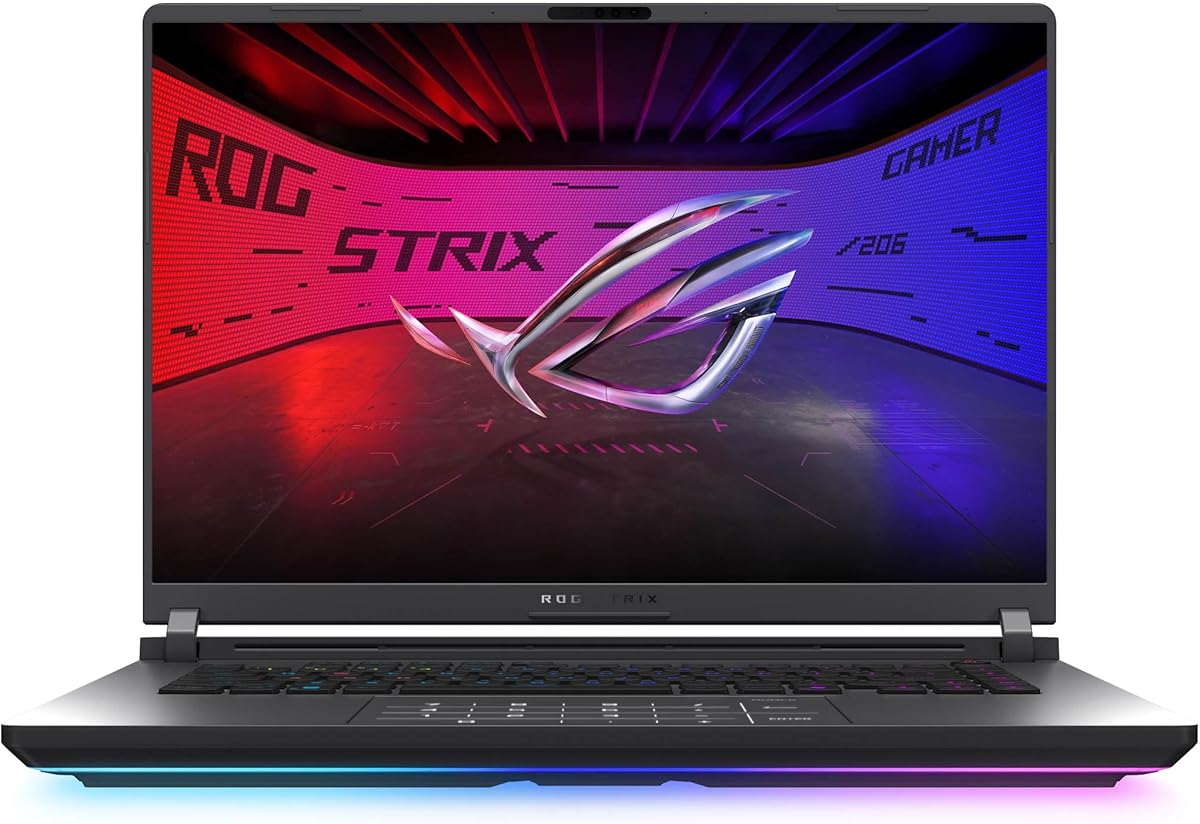
This model earns our Editor's Choice for its perfect balance of power and price. With an Intel Core i7 and RTX 5060, it runs modern simulators smoothly.
We may earn a commission when you buy through this link, at no additional cost to you.
The 165Hz display ensures fluid visuals during fast maneuvers, while the advanced cooling keeps temperatures low even under heavy graphical loads.
While storage is capped at 1TB and upgradability is limited, the included specs handle most flight simulation tasks without needing immediate expansion.
Pilots seeking reliable performance for FSX or X-Plane should consider this laptop as a top contender in the mid-range category.
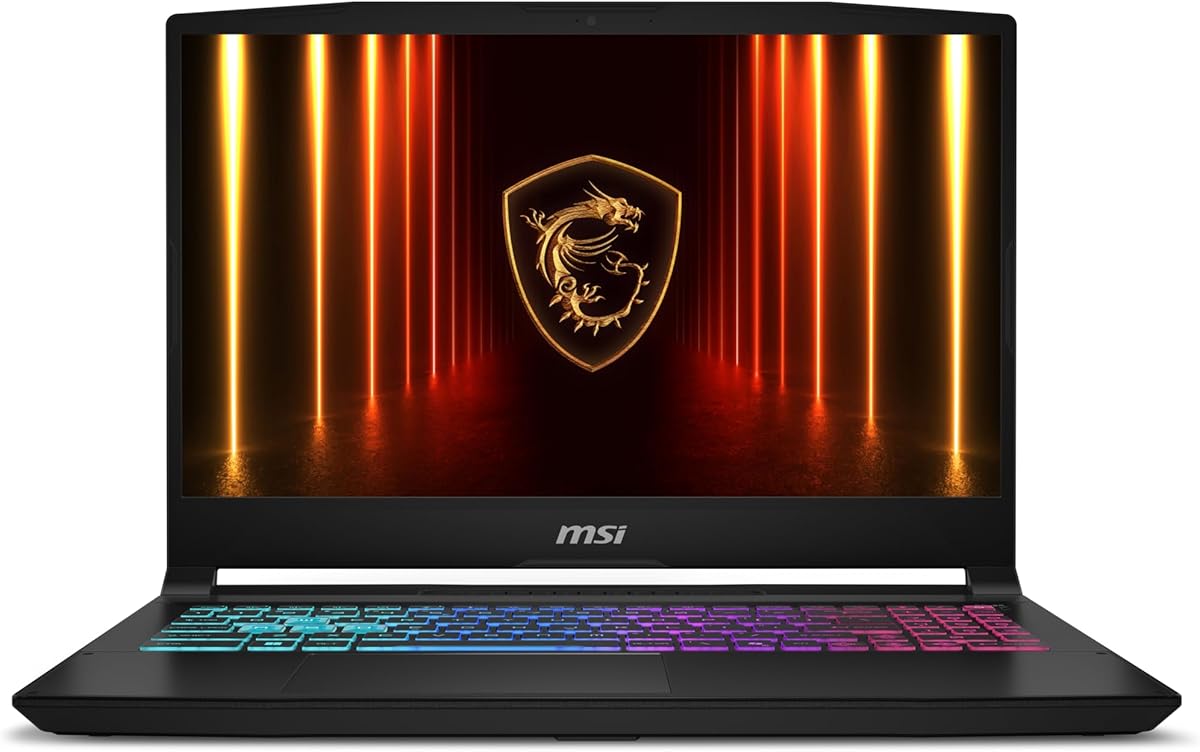
The 165Hz refresh rate reduces motion blur, making navigation and landing approaches appear more natural and realistic.
ROG Intelligent Cooling uses liquid metal and tri-fan technology to maintain peak clock speeds during long sessions.
We may earn a commission when you buy through this link, at no additional cost to you.
This premium variant delivers the highest graphical fidelity available on portable hardware. It is ideal for pilots who demand photorealistic textures and ray tracing.
We may earn a commission when you buy through this link, at no additional cost to you.
The 2.5K screen offers incredible detail for map reading, while the 240Hz rate ensures silky smooth transitions during aerobatic sequences.
Though expensive, the extra memory and GPU power justify the cost for users running complex add-ons like high resolution scenery packs.
Investors in serious simulation setups will appreciate the raw horsepower this machine brings to demanding environments like MSFS 2024.
The 2.5K panel provides sharp text and vibrant colors, crucial for identifying airports and terrain features clearly.
The new Ultra 9 chip handles background tasks and AI features efficiently without compromising game performance.
We may earn a commission when you buy through this link, at no additional cost to you.
MSI offers a compelling alternative with an i9 processor and substantial memory. This model targets users who prioritize raw compute power over premium chassis feel.
We may earn a commission when you buy through this link, at no additional cost to you.
The QHD+ display provides extra vertical space for multi-window cockpit setups, and the RTX 5070 handles heavy rendering with ease.
Cooling is adequate but fans can get loud during intensive simulations. However, the performance per dollar remains attractive for budget conscious enthusiasts.
Consider this option if you want flagship CPU specs without paying the premium brand tax associated with other competitors.
The 24-core i9 ensures smooth frame rates even with complex physics and weather engines enabled.
QHD resolution allows sharper gauges and maps, reducing eye strain during long cross-country flights.
We may earn a commission when you buy through this link, at no additional cost to you.
This laptop is perfect for pilots on a tight budget who still need plenty of memory. The integrated graphics handle basic simulation well.
We may earn a commission when you buy through this link, at no additional cost to you.
The large 17.3 inch screen offers room for navigation charts, and the 32GB RAM ensures smooth multitasking without crashes.
While it lacks a discrete GPU, it is capable of running lighter simulators or older titles at decent settings comfortably.
Students or hobbyists looking for a cost effective solution to start flying virtually will find this an excellent starting point.
With 32GB of DDR5, you can run virtual machines or other apps alongside your simulator without slowdowns.
The 17.3 inch panel reduces the need for external monitors, providing a complete setup in one device.
We may earn a commission when you buy through this link, at no additional cost to you.
This software bundle provides a complete entry point for RC aviation enthusiasts. The included Interlink DX controller offers realistic control feel.
We may earn a commission when you buy through this link, at no additional cost to you.
With VR support and online multiplayer, users can fly alongside others globally, adding social interaction to the training experience.
The PhotoField technology creates realistic environments based on real world locations, enhancing immersion significantly.
For those interested in drones or small aircraft, this offers a high quality simulation experience at a reasonable software price.
The hardware controller provides tactile feedback, helping pilots develop muscle memory for real world flying.
VR headset support makes you feel like you are actually in the cockpit, improving situational awareness.
We may earn a commission when you buy through this link, at no additional cost to you.
Logitech delivers professional grade controls for serious pilots. The stainless steel shaft ensures smooth movement and longevity over years of use.
We may earn a commission when you buy through this link, at no additional cost to you.
With over 50 programmable buttons, you can map essential functions directly to the yoke, reducing reliance on keyboard shortcuts.
The desk clamp is robust, securing the unit firmly during aggressive maneuvers without slipping or vibrating.
Adding this system transforms a basic setup into a cockpit-like environment, significantly enhancing the training value.
The solid materials feel premium and provide a sense of reliability during critical flight phases.
Custom mappings allow easy adaptation between different aircraft types without constant software reconfiguration.
We may earn a commission when you buy through this link, at no additional cost to you.
This joystick is perfect for beginners needing a simple setup. Its ergonomic design fits well in hand for extended sessions.
We may earn a commission when you buy through this link, at no additional cost to you.
The integrated throttle and rudder twist mean no extra desk space is required, keeping the workspace clean and organized.
Weighted stability prevents sliding during inputs, ensuring consistent control. The resistance adjustment lets you fine tune the feel.
Ideal for casual users or those with limited desk real estate, it offers reliable performance at an accessible price point.
Plug and play functionality means you can start flying within minutes of unboxing the device.
The shape reduces hand fatigue, allowing for longer practice sessions without discomfort.
We may earn a commission when you buy through this link, at no additional cost to you.
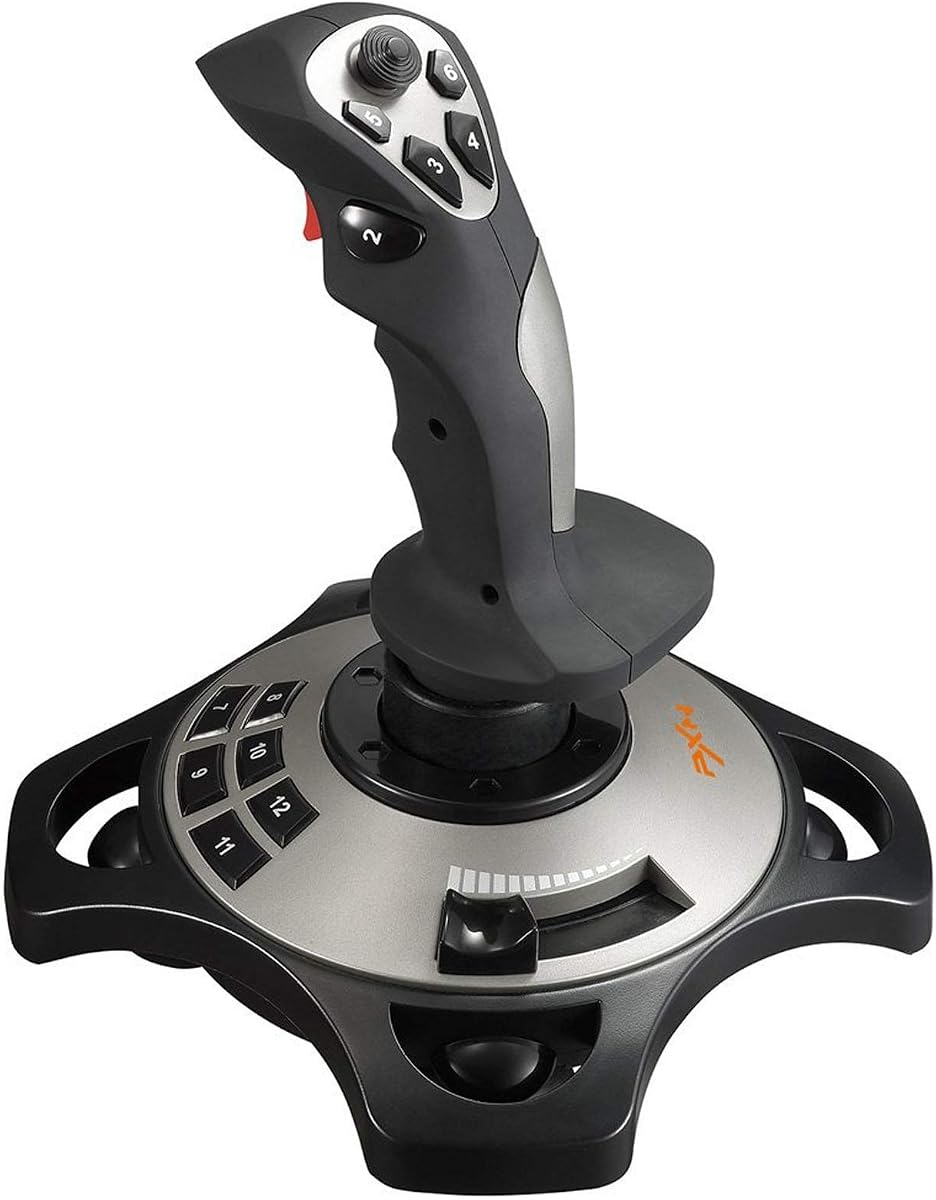
PXN offers a budget friendly way to upgrade from keyboard controls. The vibration feature adds a layer of immersion to flights.
We may earn a commission when you buy through this link, at no additional cost to you.
With 12 buttons and a hat switch, you have plenty of customization for common flight tasks without needing complex software.
The ergonomic shape makes it easy to grip during turbulent conditions, providing confidence during maneuvers.
While quality varies, it remains a solid choice for those trying out flight sticks for the first time.
Vibration alerts for engine issues or turbulence make the simulation feel more alive and realistic.
Buttons are placed for easy thumb access, allowing quick reactions without looking away.
We may earn a commission when you buy through this link, at no additional cost to you.
Rudder pedals are essential for realistic turns. This model offers precision through its advanced rail system that eliminates friction.
We may earn a commission when you buy through this link, at no additional cost to you.
The self centering mechanism ensures you can easily return to neutral after a turn, mimicking real aircraft behavior.
Compatible with PC and consoles, these pedals fit various setups seamlessly. They significantly improve control over crosswind landings.
If you want to take your simulation to the next level, adding foot pedals is the most impactful hardware upgrade.
The SMART rail system ensures consistent movement without sticking or dragging, improving control input.
Self centering returns the pedals to straight alignment reliably, crucial for maintaining heading.
We may earn a commission when you buy through this link, at no additional cost to you.
This classic title remains beloved for its physics and ATC system. It runs smoothly on modern hardware with minimal tweaking.
We may earn a commission when you buy through this link, at no additional cost to you.
The dynamic weather and accurate terrain make it a great choice for learning flight mechanics without complex settings.
Multi-monitor support allows full cockpit views, enhancing immersion despite the older graphical engine technology.
For purists who value mechanics over graphics, this remains a gold standard for simulation training and fun.
The aerodynamic modeling is precise, providing accurate feedback on lift, drag, and stall characteristics.
Interactive air traffic control helps pilots learn standard procedures and communication protocols effectively.
We may earn a commission when you buy through this link, at no additional cost to you.
Selecting the ideal laptop requires understanding key hardware factors. This guide breaks down the most important specifications for pilots.
The CPU handles physics calculations and AI traffic. A high core count ensures smooth frame rates during complex simulations.
Prioritize modern i7 or Ryzen 7 processors for best results.
GPU power determines visual fidelity. Ray tracing and DLSS help maintain high FPS with detailed scenery.
Look for RTX 5060 or higher for realistic textures.
Refresh rate impacts smoothness. Aim for 144Hz or higher to reduce motion blur during fast maneuvers.
High resolution helps read cockpit instruments clearly.
Flight simulators require significant RAM for scenery caching. 32GB is ideal for heavy add-ons.
Fast SSDs reduce load times for large airports.
Extended sessions generate heat. Good cooling prevents throttling during critical flights.
Look for laptops with vapor chambers or multiple fans.
Connectivity matters for peripherals. Ensure USB-A and HDMI ports exist for controllers and monitors.
Multiple ports simplify connecting your cockpit setup.
Keep vents clear of debris to maintain optimal airflow. Dust accumulation can lead to overheating during intense gaming sessions.
Update graphics drivers regularly to ensure compatibility with the latest simulator patches. This prevents crashes during long flights.
Use a cooling pad if ambient temperatures are high. Additional airflow extends component lifespan and maintains performance levels.
Yes, gaming laptops are ideal for flight simulators. They offer dedicated GPUs and powerful processors needed for realistic physics and graphics.
16GB is the minimum, but 32GB is recommended for smoother performance with scenery packs. More memory prevents stuttering during complex flights.
Yes, dedicated GPUs are essential for realistic lighting and textures. Integrated graphics often struggle with detailed environments.
High refresh rates reduce motion blur during turns. Aim for 144Hz or higher for a smoother and more immersive experience.
Most laptops support external displays. Use HDMI or USB-C to expand your cockpit view to multiple screens.
Yes, they consume significant power. Always keep the laptop plugged in during flights to maintain performance and avoid shutdowns.
Our top picks balance performance and value for various needs. The ROG Strix G16 stands out for its premium features and solid build.
Prioritize GPU power and cooling when selecting your machine. These factors determine long term stability during long simulations.
Prices change regularly, so check current listings before purchasing. Ensure you get the best deal for your specific requirements.