
JOYO MOMIX CAB
4.2Editor score
Direct monitoring with zero latency
Pocket sized portable design
Plug and play connectivity
This guide compares the top ten audio interfaces for guitar recording covering mobile solutions desktop units and professional gear to help you choose the
Finding the right audio interface for guitar is essential for capturing your sound with clarity and precision. Whether you are recording at home or performing live, a quality interface ensures your instrument shines through without unwanted noise or distortion.
We evaluated ten top-rated models based on sound quality, connectivity, software inclusion, and ease of use. Our comparison covers portable phone-ready units as well as robust desktop interfaces designed for serious music production and streaming needs.
Each pick highlights specific strengths and ideal use cases to match your workflow. Prices and availability change frequently so please check the current listings before making your final purchase decision for your recording studio.
4.2Editor score
4.6Editor score

The following table provides a side by side overview of the key specifications and features for each interface to help you quickly identify the model that best fits your recording requirements and budget constraints.



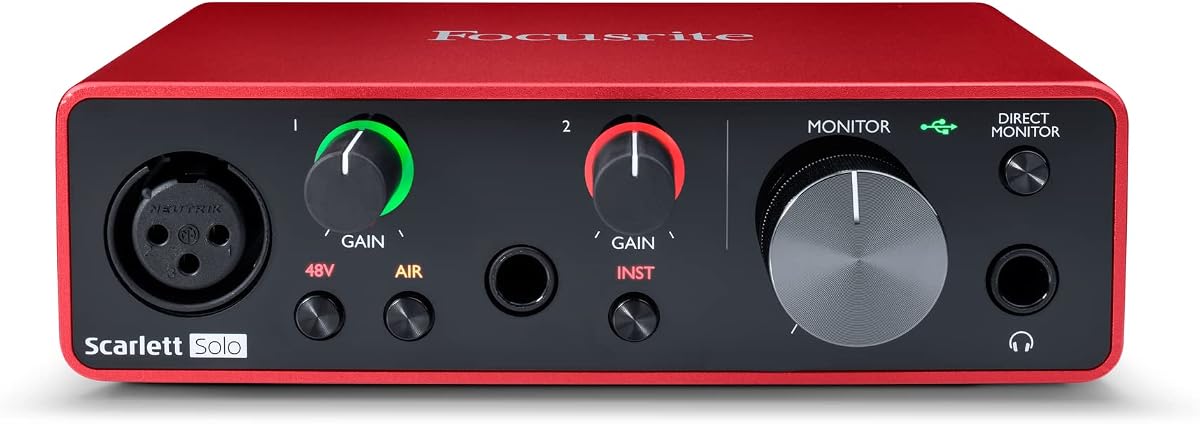
The Focusrite Scarlett Solo 3rd Gen stands out as the top choice for guitarists seeking a reliable desktop interface. With a 4.6 rating and high-performance converters, it delivers studio-quality recordings that capture every nuance of your playing with exceptional clarity and depth.
We may earn a commission when you buy through this link, at no additional cost to you.
Its standout qualities include the switchable Air mode which adds brightness to acoustic instruments and the high-headroom inputs designed specifically for guitar and bass. The Gain Halos provide visual feedback to prevent clipping ensuring clean takes every time without unwanted distortion or noise.
While it requires driver installation on certain computers and lacks a built-in USB hub these trade-offs are minimal for most users. The included software suite like Ableton Live Lite and Pro Tools Intro more value making it a complete solution for recording and production.
Whether you are a beginner or a pro this interface offers the perfect balance of features and sound quality. We recommend it for anyone serious about capturing professional guitar tones at home without compromising on audio fidelity or workflow efficiency.
The high-performance converters enable recording at up to 24-bit/192kHz retaining all sonic qualities for professional mixes and masters.
Low-noise balanced outputs provide clean playback allowing you to hear all track nuances with high-fidelity headphones.
We may earn a commission when you buy through this link, at no additional cost to you.
The JOYO MOMIX CAB is the ideal budget solution for guitarists recording on mobile devices. With a 4.2 rating it offers direct monitoring with zero latency letting you hear your clean signal through headphones while recording to your phone or tablet instantly.
We may earn a commission when you buy through this link, at no additional cost to you.
Its key strengths lie in its pocket-sized portability and plug-and-play simplicity requiring no drivers or external power. The back clip design lets you attach it to your strap or pocket making it perfect for capturing ideas on the go without setup hassles.
Be aware that the dry signal cannot be muted and it is not designed for real-time software amp sims. This limitation is acceptable if you need a simple capture tool for dry tracks or backing track practice without complex processing.
If you need an affordable way to record guitar directly to your phone this interface delivers exceptional value. It is best for mobile creators practicing musicians and anyone needing a lightweight tool for quick captures anywhere inspiration strikes.
Your guitar's clean signal passes straight to the headphone output with zero latency alongside app audio for instant feedback.
Smaller than a key the device clips securely to pockets or straps for truly mobile recording sessions.
We may earn a commission when you buy through this link, at no additional cost to you.
The M-AUDIO M-Track Duo is a versatile mid-range interface covering podcasting recording and live streaming needs. With a 4.4 rating it delivers 48kHz audio resolution and two combo XLR inputs to record guitar vocals or line signals with professional clarity.
We may earn a commission when you buy through this link, at no additional cost to you.
Its strengths include Crystal preamps guaranteeing optimal sound from any mic and a USB Direct switch for zero-latency monitoring. The included MPC Beats software provides essential production tools making it a complete package for content creators and musicians alike.
While the 48kHz resolution is lower than some rivals and it lacks loopback this is acceptable for general recording. The robust build and phantom power ensure reliable performance even with demanding microphones during intense sessions or streaming.
For those needing a dual-input interface for guitar and vocals at an affordable price this model excels. It is best for beginners streamers and podcasters seeking a fuss-free setup with solid monitoring flexibility and high-quality preamps.
Crystal Preamps guarantee optimal sound from all microphones including condenser mics ensuring clean and clear recordings.
1/4 inch headphone output and stereo outputs allow total monitoring control with USB Direct switch for zero latency.
We may earn a commission when you buy through this link, at no additional cost to you.
The IK Multimedia iRig USB is a universal interface designed for guitarists using Mac PC iPad or new iPhones. With a 4.3 rating it offers pristine 24-bit 48kHz resolution and direct monitoring for silent practice while connecting via included USB-C cable.
We may earn a commission when you buy through this link, at no additional cost to you.
Its key strengths include universal compatibility and an Amp out with selectable FX or THRU settings for pedal rigs. The bundled recording software and plug-ins empower you to craft music easily making it a complete creative journey starter for musicians.
Note that it works properly with USB-C rather than lightning and has only one instrument input. These limitations are minor for mobile users seeking seamless connectivity and robust design for studio road use anywhere you want to perform.
If you need a reliable interface that works across platforms with professional sound this model is a strong choice. It suits guitarists looking for easy connection and high-quality audio without technical hassles at home or on the road.
Compatible with Mac PC iPad and iPhone 15 via USB-C ensuring seamless connectivity across all your devices.
Complete software suite and plug-ins are included to jumpstart your creative journey with professional tools at your fingertips.
We may earn a commission when you buy through this link, at no additional cost to you.
The MAONO PS22 Lite is a high-resolution interface designed for recording enthusiasts and streamers needing versatile routing. With a 4.2 rating it captures sound at 24-bit/192kHz and includes ProStudio Routing Software for virtual channels loopbacks and low-latency ASIO output.
We may earn a commission when you buy through this link, at no additional cost to you.
Its standout features include a 106dB dynamic range and dedicated instrument input for rich realistic guitar tones. The dynamic light ring indicates input status and the compact design fits in your palm while the side headphone jack reduces cable clutter.
While setup requires selecting the MAONO ASIO driver within your software and compatibility focuses on PC Mac this is standard for serious streaming. The intuitive modes and direct monitoring switch make switching between recording broadcast and instrument setups quick and easy.
For live streamers social influencers and creators starting out this interface offers powerful routing in a small package. We recommend it for those needing professional sound and flexible channels without sacrificing portability or ease of use.
Opens virtual channels and loopbacks with ASIO support for low-latency output needed for complex broadcast workflows.
Dynamic light ring and ergonomic feel with side headphone monitoring enhance audio experience without cable clutter.
We may earn a commission when you buy through this link, at no additional cost to you.
The PIYONE Audio Interface offers studio-grade fidelity with 24-bit/192kHz resolution for home recording. With a 4.3 rating it features class-compliant USB-C connectivity handling data and power without external supplies plus signature LED light rings for visibility.
We may earn a commission when you buy through this link, at no additional cost to you.
Its strengths include versatile combo jacks supporting vocals or guitar via Hi-Z input and integrated 48V phantom power. The Direct Monitor feature allows silent zero-latency tracking while the 3.5mm headphone jack ensures compatibility with standard headsets.
While the brand is less known and software bundle is limited compared to some rivals the build quality and features are solid. The elegant design with illuminated knobs adds a modern professional look to your setup without sacrificing functionality or performance.
For laptop users and mobile creators seeking a stylish high-fidelity interface this model delivers excellent value. It is best for those wanting professional audio quality and robust monitoring features in a portable ready-to-perform package.
Professional resolution converters ensure crystal-clear low-noise recordings for professional music production on any device.
Two combo jacks with 48V power support mic or instrument input for maximum recording flexibility.
We may earn a commission when you buy through this link, at no additional cost to you.
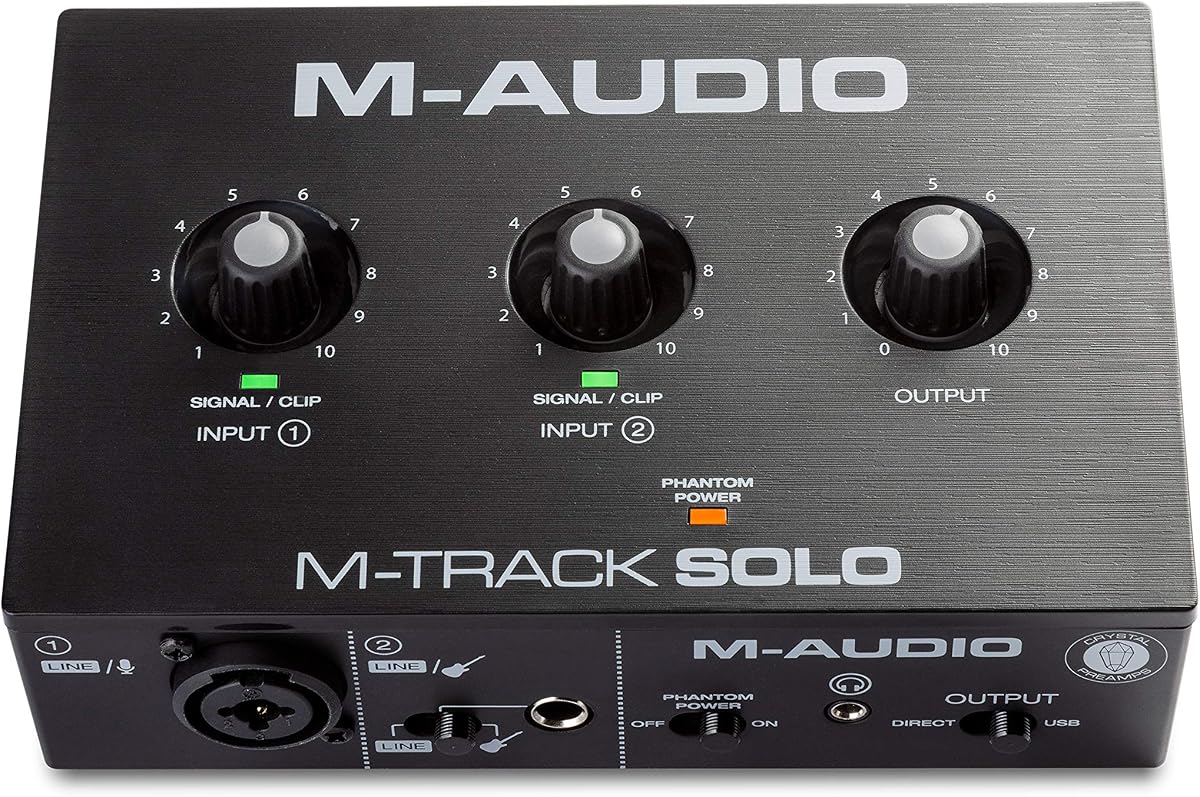
The M-AUDIO M-Track Solo is a portable interface covering podcasting recording and live streaming needs efficiently. With a 4.3 rating it delivers 48kHz audio resolution via one combo XLR input with phantom power and one line instrument input for guitar.
We may earn a commission when you buy through this link, at no additional cost to you.
Its key strengths include transparent Crystal preamps guaranteeing optimal sound from any mic and a USB Direct switch for zero latency monitoring. The included MPC Beats software provides essential production tools making it a complete package for content creators on a budget.
While it offers only one input and lower sample rate than rivals this is acceptable for solo recording. The robust build ensures reliable performance even with demanding microphones during intense sessions or podcast recording requiring clear vocal capture.
For those needing a single-input interface for guitar and vocals at an affordable price this model excels. It is best for beginners streamers and podcasters seeking a fuss-free setup with solid monitoring flexibility and high-quality preamps.
Transparent Crystal preamp guarantees optimal sound from all microphones including condenser mics for pristine recordings.
USB Direct switch allows zero latency monitoring with RCA outputs for total monitoring flexibility in any setup.
We may earn a commission when you buy through this link, at no additional cost to you.
The Arturia MiniFuse 1 is a compact USB interface designed to make your sound happen anywhere. With a 4.6 rating it offers high-quality specs easy features like Loopback and a robust build quality backed by an industry-leading five year warranty.
We may earn a commission when you buy through this link, at no additional cost to you.
Its strengths include 1 combo input with 48V phantom power plus 2 TRS inputs MIDI I/O for synths and a USB hub for your devices. The included creative software bundle offers Ableton Live Lite Analog Lab Intro and Guitar Rig 6 LE to build your studio.
While it has only one instrument input and costs more than basic models the warranty and software value justify the price. The Loopback feature lets you capture in-app or in-game audio alongside your voice making it perfect for content creation.
For musicians needing MIDI and reliable support this interface delivers premium quality and peace of mind. We recommend it for creative producers looking for durable gear with extensive software tools to craft great-sounding tracks effortlessly.
Each interface undergoes 200 reliability tests and includes an extensive five year warranty for long-term value and peace of mind.
Capture voiceovers alongside in-app or in-game audio for premium production sound quality for your content.
We may earn a commission when you buy through this link, at no additional cost to you.
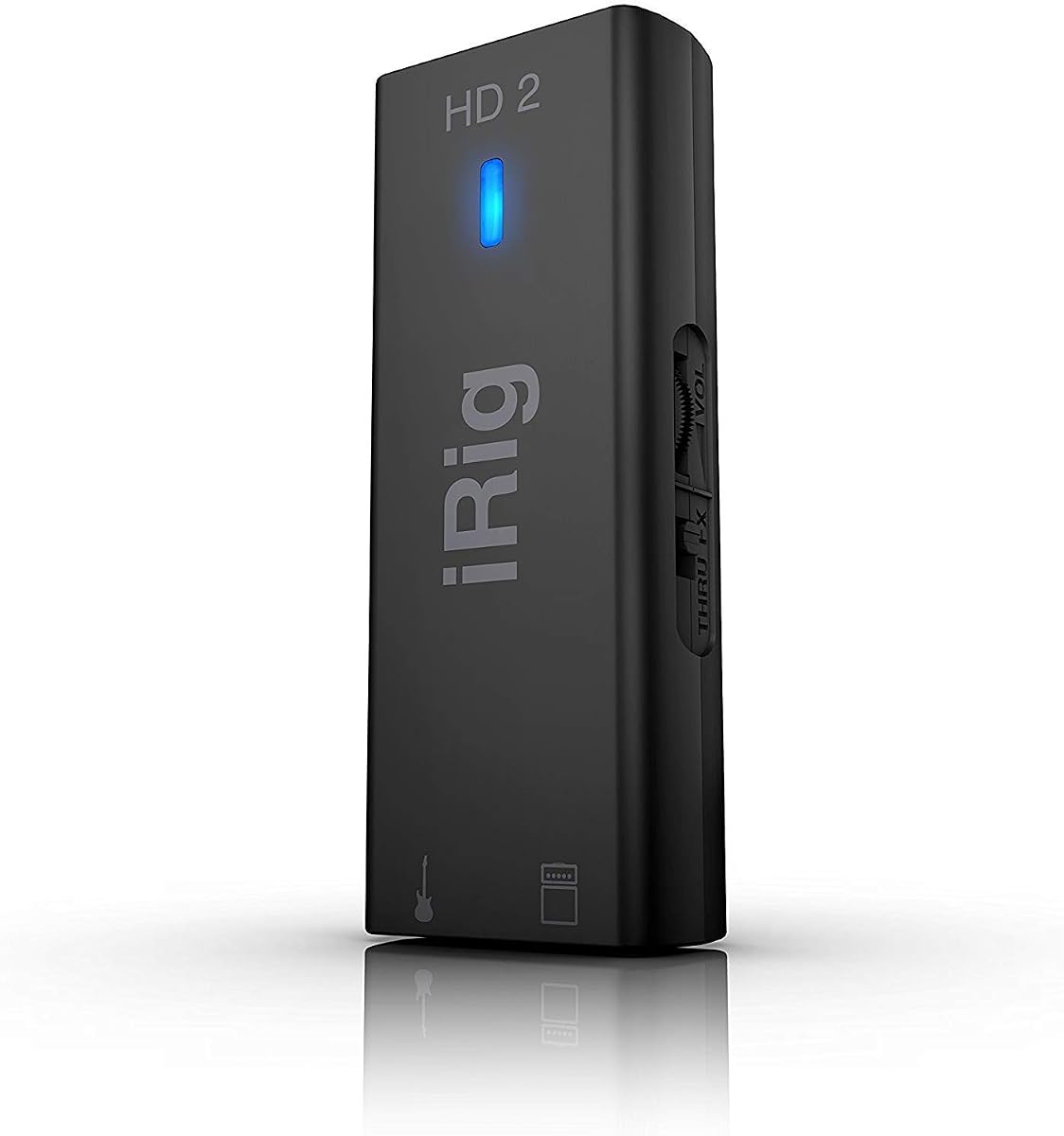
The IK Multimedia iRig HD 2 is a high-definition digital guitar interface renowned for its 96kHz sampling rate. With a 4.4 rating it offers plug-and-play simplicity on iPhone iPad Mac and PC via included USB-C Lightning and USB cables for maximum compatibility.
We may earn a commission when you buy through this link, at no additional cost to you.
Its key strengths include an Amp Out jack with switchable FX or Thru settings and a headphone output with preamp and level control for silent practice. The interface unlocks exclusive content inside the Amplitude iOS and Amplitude 4 versions for deeper creative workflows.
While the Lightning cable support is limited to older devices and the price is a premium this model remains a top choice for iOS users. Its lightweight construction fits easily in pockets or gig bags making it ideal for portable high-quality recording.
For musicians using Apple devices who demand top-tier resolution this interface delivers exceptional sound. We recommend it for those wanting high-definition results and flexible amp out options without sacrificing performance to practice silently at home.
Renowned for its 96kHz sampling rate the interface delivers high-definition results without sacrificing performance for practice.
Unlock exclusive content inside Amplitude iOS and Amplitude 4 versions to access premium mixing features and tools.
We may earn a commission when you buy through this link, at no additional cost to you.
The Fender Quantum HD 2 is an ultra-high-fidelity 20×24 USB-C interface designed for professional music production. With MAX-HD mic preamps and 32-bit/192kHz converters it ensures pristine clarity for vocal and instrument capture in demanding studio environments.
We may earn a commission when you buy through this link, at no additional cost to you.
Its standout features include ADAT and S/PDIF I/O for sixteen digital inputs front-facing instrument inputs optimized for transparency and dual re-amp outputs to explore new tones. The Auto Gain button instantly sets perfect levels ensuring fast and frustration-free recording sessions.
While the high cost and complexity may overwhelm beginners this interface offers unmatched expandability and control. The included perpetual license for Fender Studio Pro provides a complete suite for recording mixing mastering and performing making it a complete studio solution.
For serious studios musicians and creators needing extensive I/O and professional audio quality this interface is the ultimate choice. We recommend it for those ready to invest in a high-end solution that grows with your studio needs over time.
High-performance 32-bit/192kHz converters ensure professional clarity for studios creators and musicians capturing every detail.
Unlock the complete Fender Amp and FX Pack in the Fender Studio app to access authentic amp models and effects.
We may earn a commission when you buy through this link, at no additional cost to you.
Selecting the right interface requires considering your recording environment device compatibility and desired sound quality.
Ensure the interface has the right input type for your guitar whether it is a dedicated Hi-Z instrument input or a combo XLR. Some units offer multiple inputs for recording vocals simultaneously while others focus on simplicity for solo recording needs.
Check if the interface supports the necessary cables like USB-C Lightning or Thunderbolt to match your computer or phone for seamless connection.
Higher bit depth and sample rates like 24-bit/192kHz capture more sonic detail and dynamic range for professional results. While 48kHz is standard for streaming higher resolutions are valuable for detailed music production and archival recording.
Match the resolution to your needs as not all recording setups require ultra-high sampling rates depending on your final output format.
Zero-latency monitoring via a direct switch allows you to hear your dry signal without delay which is crucial for live performance. Look for clear headphone outputs and volume controls to manage monitoring levels effectively during your sessions.
Consider loopback features if you plan to stream or record internal audio from your computer alongside your guitar signal.
Many interfaces come with DAW software plugins or virtual instruments that help you start recording immediately. These can save costs and provide essential tools for mixing mastering and sound design right out of the box.
Review the included software to ensure it covers your creative workflow and offers value beyond what you already have installed.
If you record on the go prioritize compact sizes and bus power options that eliminate the need for external power supplies. Rugged builds and lightweight designs protect your gear from physical damage during travel and live performances.
For home studios a larger unit might offer better ergonomics but for mobile setups small form factors are key to ease of transport.
Verify that the interface works with your specific operating system whether you use macOS Windows iOS or Android. Some models offer plug-and-play functionality while others require driver installation for optimal performance.
Check for specific compatibility notes regarding phone models or laptop connections to avoid connectivity issues when you need to record.
Interfaces with ADAT S/PDIF or MIDI ports allow you to add more inputs or sync external gear for growing studio setups. This future-proofs your investment as you might need more tracks or control in the future.
Consider the I/O needs for your current setup and potential growth to avoid outgrowing the interface quickly after purchase.
Look for interfaces with generous warranty periods and reliable customer support to protect your investment against defects. Longer warranties often indicate manufacturer confidence in build quality and product durability over time.
Check the terms of service and support channels to ensure you can get help quickly if issues arise during usage or setup.
Begin by connecting your interface to your computer or device using the recommended cable and secure connections tightly. Install any necessary drivers or software updates to ensure the system recognizes the hardware properly for recording.
Plug your guitar into the instrument input and headphones into the monitor output. Adjust the gain knobs while playing loudly to find a level that does not clip the red indicators or cause distortion for clear sound.
Keep the interface away from moisture and dust when not in use. Store cables neatly and avoid bending them sharply to extend their life and ensure consistent performance during future recording sessions and practice.
The best interface depends on your needs but the Focusrite Scarlett Solo 3rd Gen is often top for its balance of quality and features. For mobile recording the JOYO MOMIX CAB offers great budget-friendly portability with zero latency monitoring.
If you want high quality audio directly from your electric guitar you generally need an interface with a high-impedance input. Direct phone recording is possible with some adapters but an interface provides better sound quality and control.
Connect your guitar to the instrument input on the audio interface and the interface to your computer via USB or USB-C. Ensure the interface is recognized in your software and select it as the audio device to start recording.
Zero latency monitoring allows you to hear your instrument directly without delay by routing the signal through the interface rather than your computer. This is essential for performance since software routing can introduce audible lag during playing.
Most modern interfaces come with bundled recording software like Ableton Live Lite or Pro Tools Intro. However you should check the specific product details as some budget models may not include full software packages.
Yes you can record on a phone using interfaces designed with Lightning or USB-C connectivity. Ensure your phone supports OTG or file transfer modes and that the interface drivers are compatible with mobile operating systems.
Prevent clipping by adjusting the gain knob on the interface while monitoring input levels. If the levels hit the red or cause distortion lower your guitar volume or the gain until the signal stays in the green range.
Hi-Z inputs are designed for high impedance instruments like guitars to prevent signal loss while line inputs work for signals like keyboards. Using the correct input ensures the best sound quality and prevents tone issues in recordings.
We reviewed ten top audio interfaces ranging from budget mobile units to professional desktop gear. Each model offers unique strengths tailored to different recording needs whether you prioritize portability sound quality or expandability.
Consider your primary use case and device compatibility when making a choice. Investing in an interface with the right inputs and monitoring features will ensure a smoother workflow and better sounding recordings in the long run.
Remember that prices change frequently so always check the current listings before buying. Use our guide to compare specs and features confidently to find the perfect fit for your guitar recording setup today.